Blog + Portfolio // Jasmine Kijam
Published May 24, 2026 by Jas
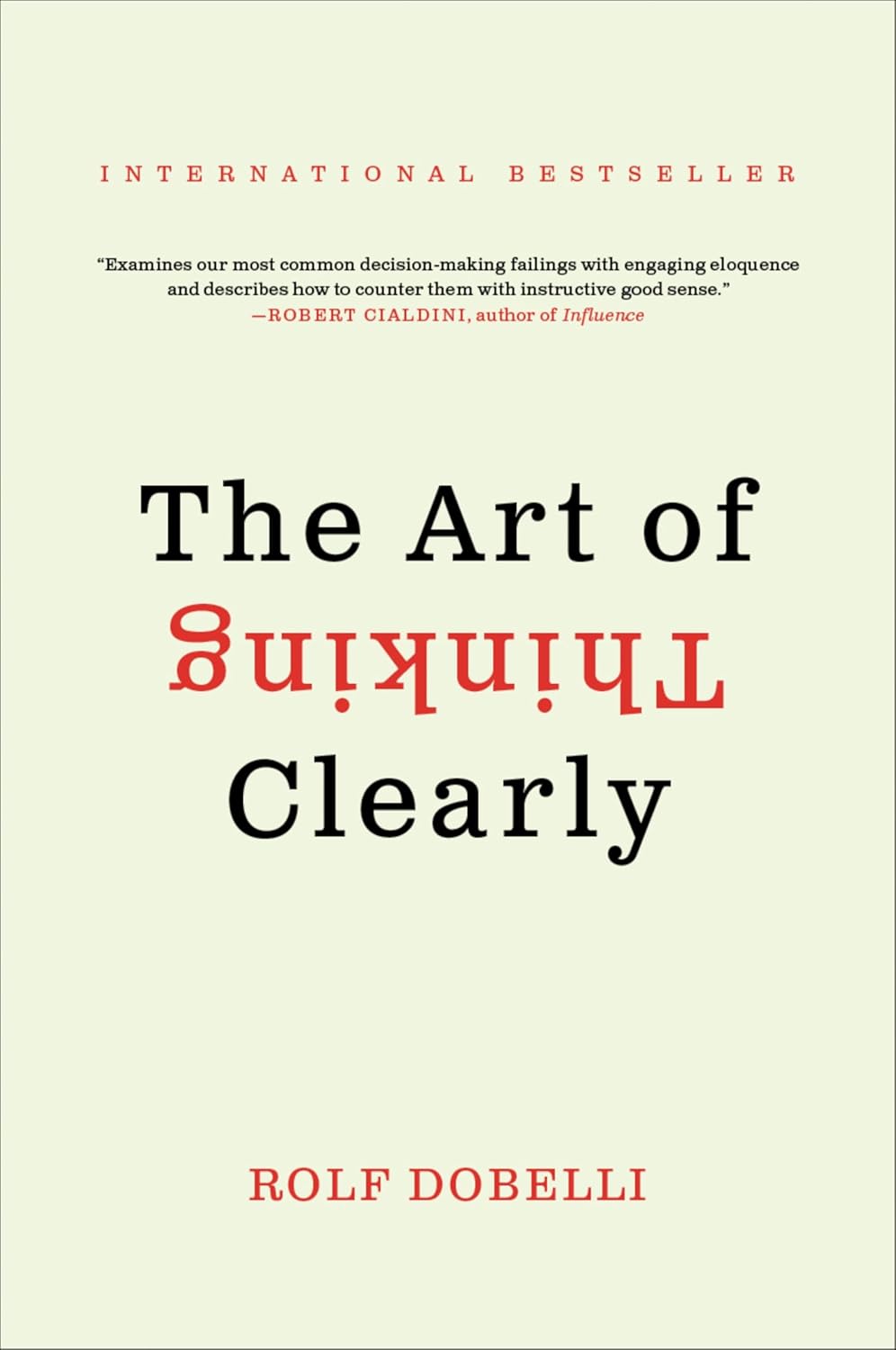
Probably at a bookstore. I’ve had this book for a very long time. It’s pages are yellowed and stained from use.
I don’t remember.
This is one of those books I keep coming back to. Whenever I feel like, I need a brain reset, I pick up this book and skip to relevant chapters.
How cognitive biases distort judgement and decision-making in everyday life. The book looks at common thinking errors, mental shortcuts, and situations where people believe they are being rational but are not.
Examples covered include:
This book made me pay more attention to how decisions are made rather than only whether the final answer is right. I found myself thinking about:
I’ve lent this book to two friends, I’m surprised it even made its way back to me. That’s how long I have had this book.
Published May 10, 2026 by Jas
How architecture led me through maps, data, operations, and back toward designing systems that serve people.
I did not always want to be an architect.
Every year in primary school, we started the year by answering a questionnaire. My answers to “What do you want to be when you grow up?” were always “lawyer,” “singer,” or “flight attendant.” I do not know why. Maybe it was because I cared about justice and wanted to travel the world. Or maybe it was because all these careers started with the letter “P” in Malay, and I had not bothered to think of anything else.
But as far as I can remember, I have always liked shaping my room, my space, my home. Since I was nine, I had been doing small home improvement projects to make my space more comfortable. It was not until I was 15 that I learnt I could become an interior designer and make a living from something I loved. For my final two years at school, I chose Technical Drawing and Art as additional subjects and I enrolled in a Bachelor of Science in Architecture at a public university.

University was hard for me. In the beginning, I enjoyed studying the behavioural aspects of architecture, that is, how space influences human behaviour. But I always felt a disconnect between the projects we created, the ideas we told ourselves within the architecture community, and their real impact on end users. The more I learnt, however, the more I appreciated that architecture wasn’t just about prestige, buildings, or aesthetics, but the belief that design could respond to real human needs.
It was around this time that I became aware of Architecture for Humanity. AFH was a US-based charitable organisation that brought professional design services to humanitarian crises. It sparked a new sense of motivation in me and introduced me to a version of design connected to disaster response, community, shelter, dignity, and public good.
When I graduated, I started working in a small Malaysian-based architecture firm, then moved on to a large Singaporean-owned multinational firm. There, I was grateful to be mentored by architects and to work alongside people who were generous with their knowledge. I also had supportive bosses. But while I valued the training, I found myself more energised by questions of shelter, dignity, and public good than by the commercial projects in front of me.
I left to complete a Master of Architecture in Scotland.
I chose that university because I had an ex-colleague who studied that same programme the previous year and he had the opportunity to do an exchange programme to build shelters in Malawi. The programme was discontinued in my year so I never got the same opportunity.
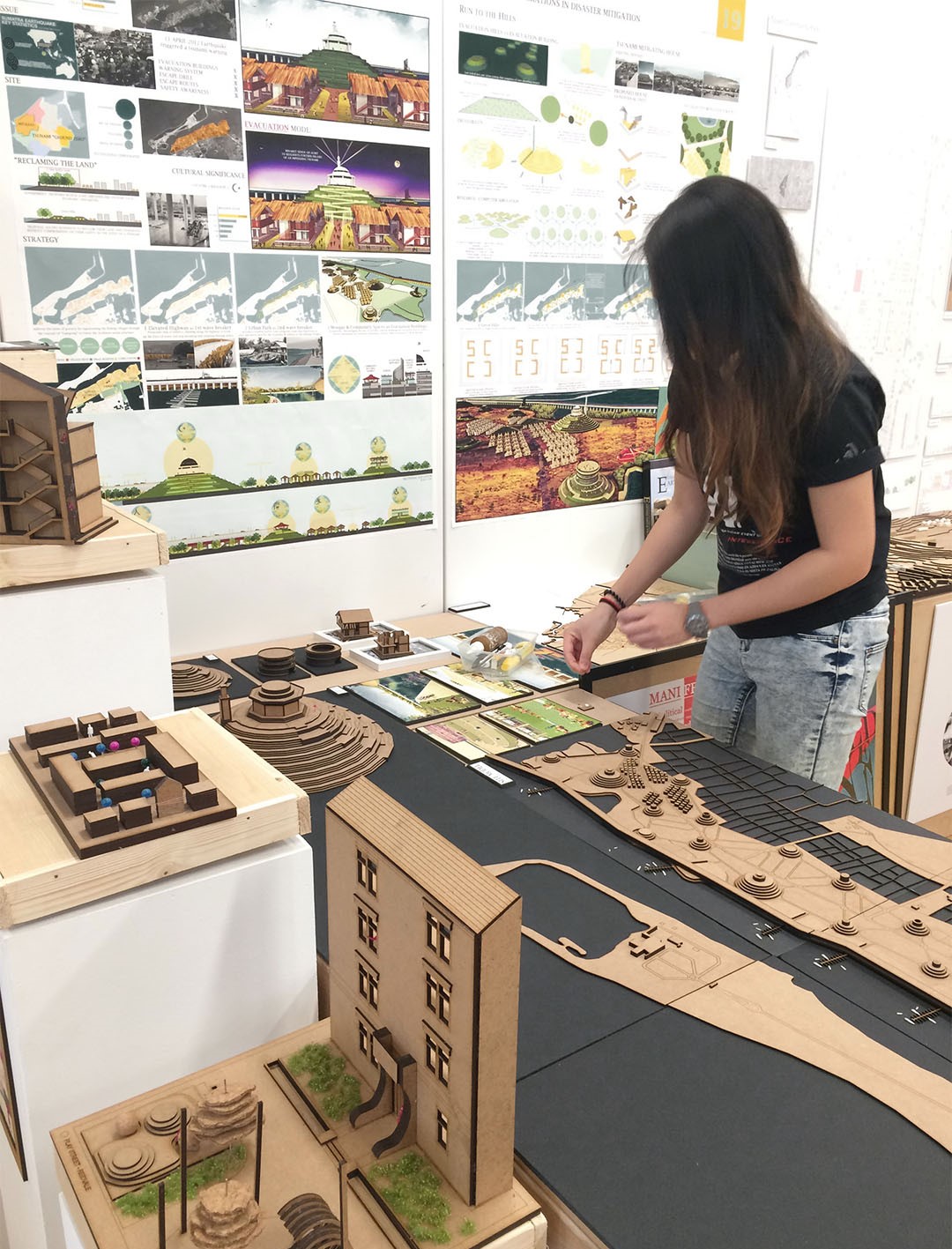
For my final year project, I chose a topic that was close to my heart. I was in the second year of my bachelor’s degree when two of my lecturers were involved in the reconstruction efforts in Aceh post-tsunami. They came back to university to present their project and I remember being affected less by the technical details of the project than by how deeply the experience seemed to have changed them. That feeling stayed with me and became part of what continues to challenge and drive me toward social impact.
I travelled to Banda Aceh, the site that was the most affected during the earthquake and subsequent tsunami. This trip coincided with the 10th anniversary of the tsunami. I was fortunate to meet and work with first responders from the disaster, which had killed approximately 200,000 people across 14 countries.
Following that year-end research and design proposal, I complemented my master’s degree with a written thesis on reconstruction coordination for long-term redevelopment. It was a direct response to what I had observed in post-tsunami Aceh, 10 years after the disaster. This thesis was featured in the university’s faculty magazine that year.
In 2016, I returned to Malaysia after graduation and took up work in the same architecture firm. Returning to the same firm made me realise how much I had changed. I still loved design, and I still believed in what architecture could do, but I no longer saw myself growing within a practice focused mainly on commercial architecture.
I left shortly after.
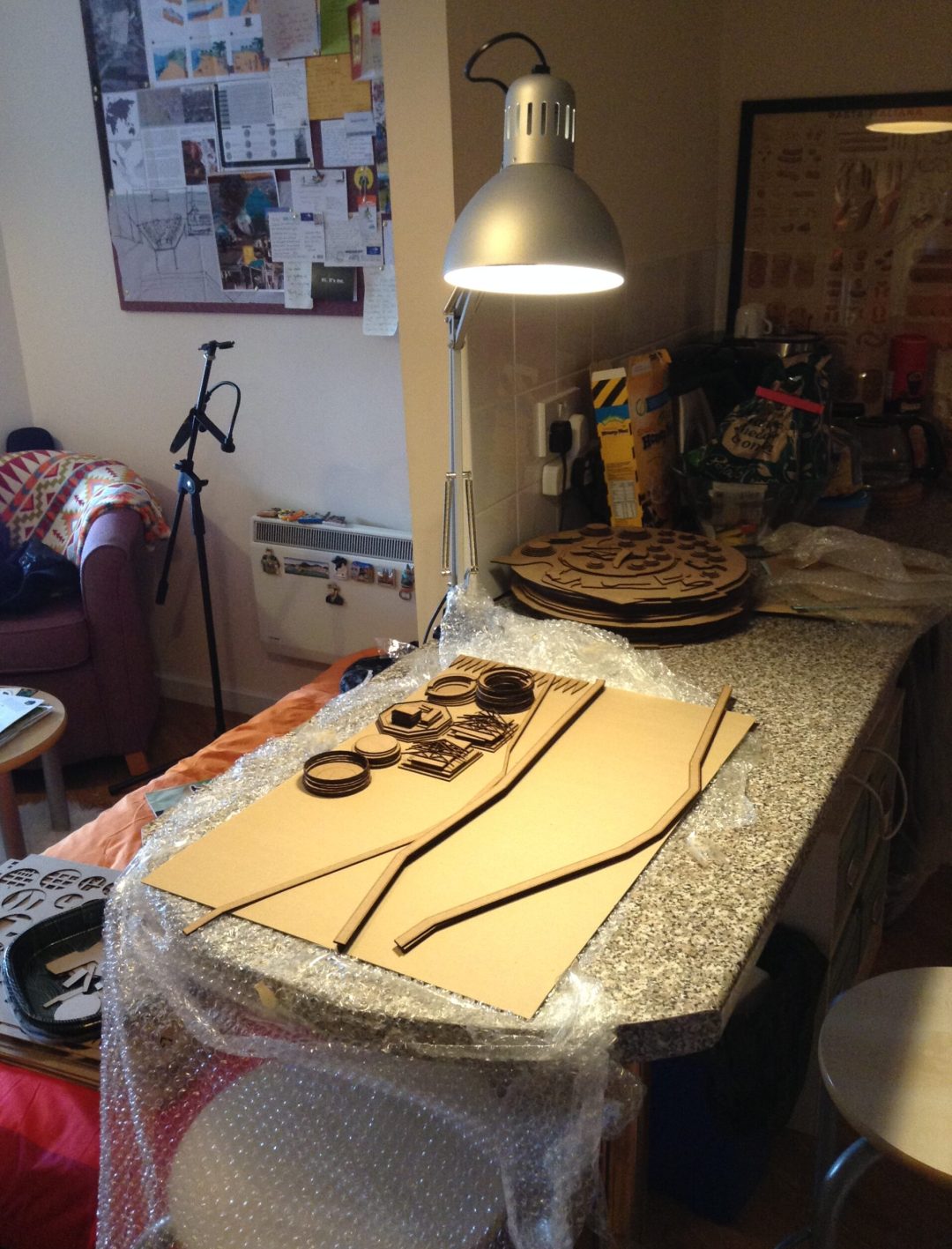
During this period, I freelanced as a multidisciplinary designer while moving between Malaysia and Germany. It was a period of experimentation: maps, artworks, small businesses, digital tools, branding, marketing, social media ads, and basic analytics. That period gave me the space to build skills I had not been able to develop inside traditional practice. I learnt German, enrolled in part-time courses, and immersed myself in marketing, branding, and analytics. I was exposed to a world that seemed outside architecture, yet was still heavily influenced by it. I began to understand that design did not end with the object. It continued into audience, market, tools, distribution, and feedback.
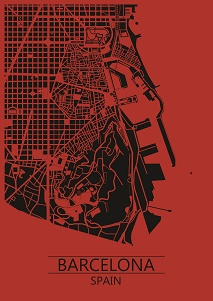
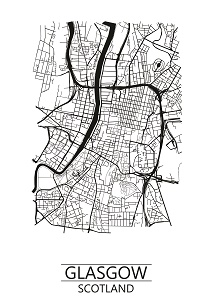
While exploring analytics, I stumbled on a data science course that combined online learning, in-person training, and presentations. I learnt SQL and Python, and was introduced to dashboards. It was only then that I realised how much of an overlap there was between my architecture background and data analytics and visualisations.
Architects are trained to read complex systems before proposing solutions. In architecture, a site is not just a physical location, but a set of relationships between people, movement, climate, culture, infrastructure, constraints, and use. This translated naturally into data and visualisation because data, like space, has patterns, gaps, flows, and hidden relationships. The work is not only to collect information, but to understand what the information is really showing.
Architecture also teaches the discipline of making complexity legible. Plans, sections, diagrams, maps, and presentation boards are all forms of visual communication. They require hierarchy, clarity, scale, proportion, and restraint. In that sense, dashboards did not feel completely foreign to me. They felt like another way to make hidden systems visible, so that people can understand what is happening and decide what should change.
To me, data became another design language.
After the data science course ended, I was invited to coach the next cohort of students. I accepted and went on to coach the next three cohorts. My favourite data science topic was Natural Language Processing (NLP) and part of my coaching job was also to prepare and present a class on NLP. NLP can uncover sentiment within unstructured data, much like how an architect needs to read human behaviour before producing a design proposal that solves a real problem.
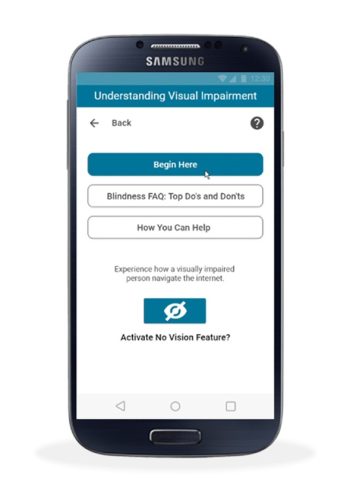
At around the same time, I was invited by a fellow data science student to join a group of three others to participate in the Microsoft APAC Accessibility hackathon. We organised an online meeting with a representative of the blind and visually impaired (BVI) community to gather insights to help us with our proposal.
Our final submission was an image reader app prototype using Azure (Azure was a prerequisite). Due to my background in architecture and design, I led much of the design and presentation using Figma and Photoshop, and together we presented this at the finals.
Following the hackathon, a team member and I decided to follow through with the app. After speaking directly with the BVI community, it no longer felt right to treat the idea as only a hackathon prototype.
That decision led to the founding of Matamata.
As we continued working with the community, we realised that the idea had to evolve from an app into a platform that helped blind and visually impaired people access remote work. I had found a way to translate design into a system that could improve access, preserve dignity, and create opportunity.
Eventually, we had to pause Matamata because of work commitments and limited resources. The project stayed with me, not as an unfinished failure, but as proof that design could become social infrastructure.
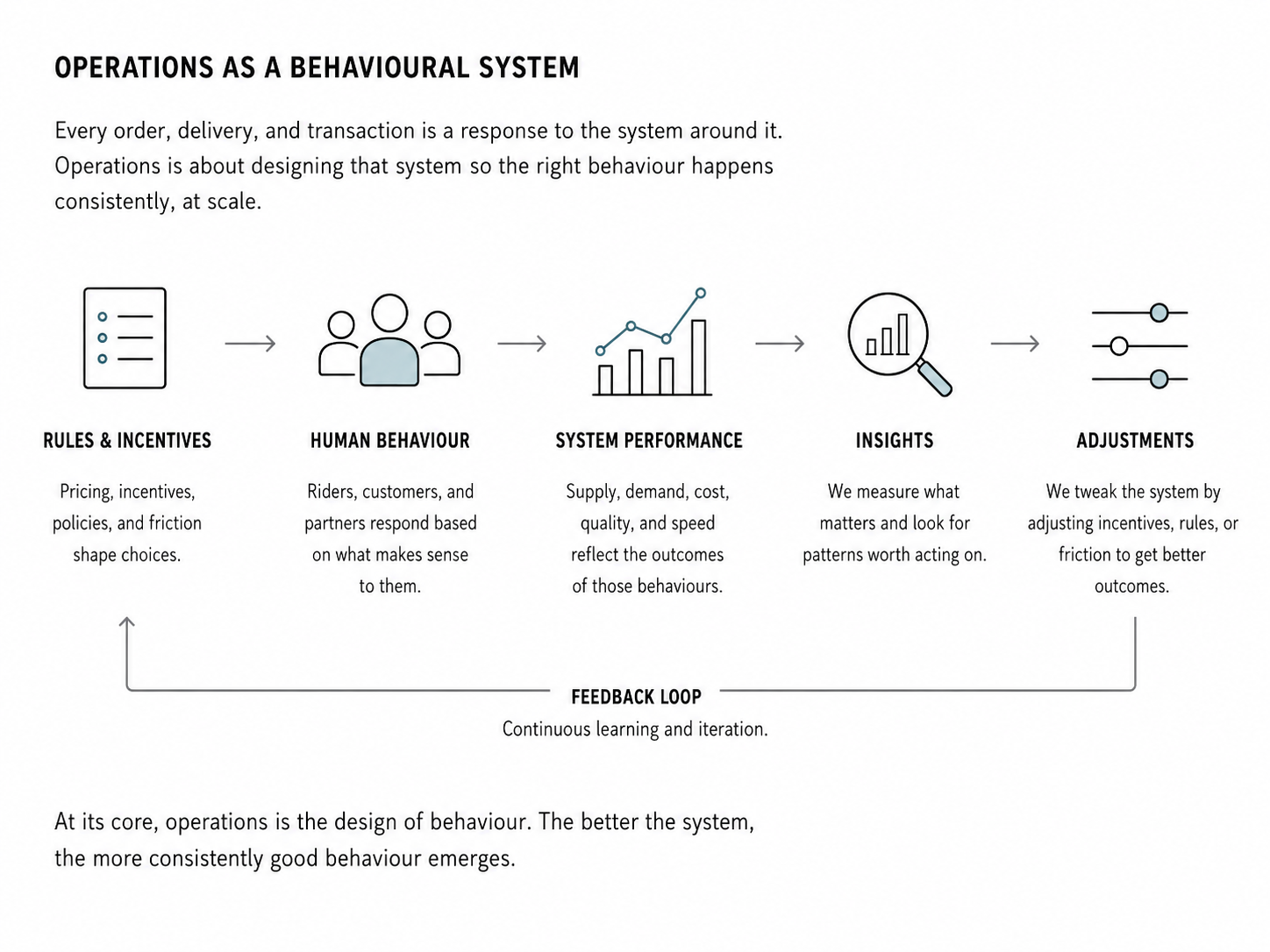
In that same year, I joined the operations department as a performance analyst at a food delivery platform. My KPI came down to one number: how much we spent for every completed delivery. This was unit economics. At first, it felt completely different from what I had studied. But the longer I worked with it, the more familiar it became.
Behind unit economics, there is human behaviour. Every order, delivery, transaction, or task asks something from the people inside the system. When reward systems feel fair and transparent, and when the effort feels reasonable, people are more likely to participate. People respond to incentives, but they also respond to effort, risk, trust, clarity, and whether the trade-off feels worthwhile.
Architecture also begins with human behaviour. Every corridor, doorway, staircase, or public space asks something from the people who use it. When a space makes those actions clear, safe, and reasonable, people are more likely to use and engage with it as intended. People respond to the conditions around them. They gather where they feel comfortable, avoid what feels unsafe, and create workarounds or shortcuts when a system does not match real behaviour.
As I found myself navigating a new career designing incentives, Jan Gehl’s phrase, “First life, then spaces, then buildings,” came to mind. It captures something architecture had already taught me: design begins with behaviour.
This is where architecture and operations began to feel connected to me. They are both systems that shape behaviour, whether through space, rules, incentives, or friction.
Operations taught me how to scale.
In the last four years of working in operations, including regional work, my analytical and systems skills grew. I learnt how to build and support systems that helped day-to-day operations run more smoothly, and I believe I brought real value to the platform I worked for. That experience strengthened my respect for operations and analytics. It also clarified the kind of problems I am most drawn to: systems where scale, behaviour, and social value meet.
Today, I find myself with a broader set of tools than when I first started: architecture, maps, data, analytics, operations, dashboards, storytelling, and social impact. But the underlying question that brought me here remains the same: how can design make systems more humane, useful, and legible?
To me, meaningful design no longer means only buildings or spaces. It means designing systems that serve people, whether through places, platforms, operations, data, or decisions.
Published April 9, 2026 by Jas
Note: This article was originally published on the Matamata website in April 2020 under the title “Why I Founded Matamata as a Social Profit”. It is reproduced here largely as originally written. Some information, links, organisational details, and policy context may be outdated as of 2026. The article reflects the thinking, urgency, and context of Matamata’s early days.
Today, we reached a minor milestone in our organisation.
We had just collected our first payment for a transcription job [1] that was successfully completed by one of the aspiring freelancers that Matamata works with.
Ming Soon, a Bachelor of East Asian Studies student at University Malaya, was born completely blind. When I asked him about his life story and what motivates him, he said
“I always believe where there is a will, there is a way.”
As a sighted person, I will never truly understand what living life in the dark must be like for members of the blind and visually impaired community.
But, late last year, an opportunity to help elevate the quality of their lives through the use of technology presented itself to me unexpectedly.
In this long-form article, I’ll explain what we do, why we do it, and why it matters.
As a social enterprise, we do several things to empower blind and visually impaired persons (BVIs) living in Malaysia. We do this through the use of technology:
We help create a side income for BVIs by connecting them to freelancing opportunities on the web. We encourage these aspiring freelancers to utilise their information, communication and technology (ICT) skills in performing a number of web-based tasks that include transcription, translation, data entry, coaching and more.
We’re working towards building an accessible freelancing website that will help BVIs work faster, more efficiently and most importantly, more independently.
We pledge our support to other organisations and groups in the country in their fight for the rights of BVIs and Persons with Disabilities (PWD). We do this through storytelling, advocacy, and the skills we are able to contribute.
However, this wasn’t exactly how we started.
Matamata was initially conceived at a Microsoft AI for Accessibility Hackathon as an AI-driven image reader prototype [2].
Leveraging on tools developed by Microsoft—mainly the Microsoft Azure Cognitive Services—the Matamata app was designed to seamlessly describe images regardless of platform, whether on a social media app or phone gallery.
Unlike other existing image reader apps currently in the market, the Matamata app also has a platform for collaboration and understanding between visually impaired users and sighted users through the AI-driven Q and A channel.
This feature is further enhanced by the Support channel that connects visually impaired users to local non-profit organisations and the welfare department. It provides the visually impaired community, both existing and new members [3], with immediate access to resources and information already made available to them.
If you’re interested to see how the app functions, here is the app portion of the video presentation that we submitted to the Microsoft hackathon organisers. Our entry was listed top 5 in the country. And, we also had the privilege of presenting our prototype live to an esteemed panel of judges.
Here’s an interview that our team did with LEAD.
Today, Matamata is registered in Malaysia as an LLP with a social mission: to harness technology to help the blind and visually impaired community gain independence and inclusivity online.
Put simply, Matamata works at the intersection of technology, accessibility, and economic inclusion.
The real question is, how did we go from a hack to a social enterprise? And are we still working on the Matamata image reader app?
The short answer is no. At least, not at the moment. The reason why is simple.
After the hackathon ended, my co-founder [4] and I went back to speak again to representatives of the blind community. And this time, instead of asking, “Will this app help you?”
We asked, “How can we help?”
When we realized the true extent of economic inequality and discrimination toward the blind community, we knew that it must be addressed first.
We thought, “In light of the pandemic, what can we do now to create the greatest impact?” And so, we set aside our image reader app to focus on finding and creating remote jobs for blind and visually impaired persons.
In paraphrasing the words of our mentor, Dr. Lau Cher Han, “Know the difference between nice to have and need to have.”
Hackathons are great places to test out ideas and meet like-minded people. Not only that, but they also have the advantage of being a networking platform for immediate product validation.
While working on our prototype, I reached out to one of the local NGOs that work with blind and visually impaired individuals in the country.
The National Council for the Blind Malaysia (NCBM) is a non-governmental and non-profit organisation that was formed in 1986 to bring together five organisations to work together for the blind and visually impaired community.
The executive director of NCBM—Moses Choo, who is himself blind—was forthcoming and very willing to help us understand how the blind use technology in their daily lives. He patiently showed us—through a Zoom call—how he navigates social media apps on a smartphone and the accessibility tools that he employs to get work done on a computer.
I realised I did not know much about the technological challenges that blind people face daily in Malaysia.
We use the term ‘disabled-friendly’ so loosely here that it is rarely represented by anything more than these—dedicated parking spots, wheelchair-accessible ramps, and the inconsistent or poorly designed Tactile paving [5] on sidewalks.
But the aim for inclusion and disability-friendliness extends beyond the physical built-up of our environment.
As the web continues to form an increasingly crucial resource of our everyday lives, web accessibility becomes the key to ensuring equal access and equal opportunities to all.
Think about this.
When was the last time you had to do something important relating to education, employment, banking, health care, or e-commerce without going online?
Up to that point, it had never crossed my mind that even the most basic online activities—activities that I find simple or even enjoyable, such as finding information, paying bills (not enjoyable), or online shopping—could become tedious or impossible for a visually impaired person.
What baffled me more is that implementing web accessibility isn’t necessarily that hard. One only has to make the correct choices when selecting design features, tools, or web applications.
Looking back, that eye-opening first conversation with Moses Choo was definitely the catalyst for a mission that we have set out to achieve.
I can’t say for sure what has made the most significant impact on my decisions in life. Maybe it was a combination of my upbringing and the influences of the people and environments that I associate myself with.
But for as long as I can remember, there have always been these two values that I uphold dearly in life: freedom and justice.
I have always found it difficult to accept situations where vulnerable communities are excluded from opportunities and basic rights.
But concern alone does not change systems.
So, I decided to do something about it.
Below, I’ll explain what issues drive my pursuit of social justice for the BVI community in the country. But first, I need to give you an overview of the rights—or the lack of them—of Persons with Disabilities (PWD) in Malaysia.
In Malaysia, the rights and future development of Persons with Disabilities (PWD) are supposedly protected under several corresponding instruments:
The Government of Malaysia became a signatory of the CRPD in 2008. The CRPD affirms protection for people with disabilities, including the rights to life, freedom from discrimination, equal recognition before the law, and access to justice, education, employment, and health.
Following the CRPD, Malaysia introduced the Persons with Disabilities Act 2008 (Act 685) to provide for the registration, protection, rehabilitation, development, and wellbeing of Persons with Disabilities (PWD).
According to the Act, PWDs in the country have equal rights to access, among others, general education and all levels of schooling, employment and just, favourable working conditions, and information, communication, and technology (ICT).
Following the Incheon Strategy in 2012, the 10 Incheon Strategy Goals were used to form the PWD Action Plan (Pelan Tindakan OKU). Strategy 1 of the Action Plan is:
“Improve mobility and quality of life of people with disabilities to be [sic] more productive and inclusive society.”
The above list seems comprehensible enough to guide the actions of the Government. However, there are still several issues that don’t sit right:
Since the Persons with Disabilities Act was enforced in 2008, PWDs have called it a ‘toothless tiger’. According to them, the Act is purely an administrative act—with no punitive measures for non-compliance or acs of discrimination. [6]
For more than ten years, advocacy groups and PWDs in the country have been calling for the Act to be reviewed to sufficiently uphold the rights of persons with disabilities.
I have a question.
If a party fails to comply with the PWD Act 2008, and nothing in the Act compels them to be penalized, is the Act still a legal instrument, or is it more of a guideline?
Disappointingly, while any provisions for judicial remedies and penalties for non-compliance are omitted, the Act does, however, express exclusion of the Government from being sued for any wrongdoing. [7]
This observation also raises serious questions about how the PWD Act was drafted.
Despite being a signatory of the CRPD for the last 11 years, Malaysia has yet to submit a country report (due every four years) to the United Nations.
This raises some questions.
One, how are we keeping track of actual progress?
Two, who is answering for the lack of any significant actions in protecting the rights of PWDs in Malaysia?
In 2010, Malaysia ratified the CRPD with reservations to Article 15 (freedom of torture or cruel, inhuman, or degrading treatment or punishment) and Article 18 (liberty of movement and nationality).
Ratified with reservations simply means that the Government of Malaysia agrees to the CRPD as long as it doesn’t need to comply with Article 15 and Article 18. [8]
To date, Malaysia has yet to withdraw its reservations.
The Government of Malaysia has also not ratified the Optional Protocol to the CRPD. Basically, the Optional Protocol allows individuals to lodge complaints with the United Nations Committee on the Rights of Persons with Disabilities should a signatory country violate its obligations under the CRPD.
I may be wrong, but the omissions and reservations appear to place more emphasis on limiting institutional accountability than on creating enforceable protection for PWDs.
This is difficult to accept. But here’s the thing.
Matamata wasn’t founded simply to assign blame. We’re here to challenge the status quo.
True, the lack of follow-through from the Government has only encouraged further discrimination and segregation of PWDs in the country.
Disabled persons in Malaysia are still too often treated as though they belong at home, rather than in schools, workplaces, public spaces, and digital environments.
So, what does this mean for the BVI community?
For the BVIs, this means, among others, employment discrimination, lack of access to certain facilities and services, and the over-reliance on welfare and government handouts.
Even with the implementation of the 1% Policy [9] of employment for PWDs in the public sector, job seekers with other forms of disabilities are often favoured over BVIs for advertised vacancies.
Why is that?
Well, possibly because, due to a lack of awareness, employers tend to have little confidence in the abilities of BVIs to do the job and are, therefore, reluctant to take the risk in hiring them.
Or, employers lack the knowledge or incentive to accommodate the needs of BVIs in an office environment.
But as more and more jobs in the market become digitalised, the impact of disability changes.
Digitalisation removes the barriers to communication, interaction, and productivity that many people, disabled or otherwise, face in the physical world.
The question, then, is this:
In a country gearing towards digital transformation, why must the blind community in Malaysia continue to be pigeonholed into a limited set of career options?
Just go down to Brickfields and count the number of blind massage centres in the area. That is what occupational segregation looks like.
This is not a criticism of the massage and reflexology sector. The issue is not the work itself, but the lack of genuine choice. The decision to take up a job as a massage therapist should come from choice, not from the product of being blind.
I believe that all of us have the capacity to change the future landscape of the lives of blind and visually impaired people in the country.
To achieve that, I believe we must empower BVIs living in Malaysia to embrace technology and include them in our shift towards a digital economy. But for that to happen, we need to focus our attention on web accessibility.
So, where do we currently stand?
With regard to web accessibility, Malaysia is still not there yet.
According to the Digital Accessibility Rights Evaluation (DARE) Index, Malaysia has a ranking of 46.5/100 in 2020. We have neither a government agency for accessible ICTs nor a process to involve DPOs in ICT accessibility policymaking. Plus, ICT accessibility courses have yet to be made compulsory or available in universities.
This is still the case in 2020.
I was somewhat surprised by this information, so I reached out to a network of developers in the country. Sadly, here’s what I found out.
In Malaysia, building an accessible project usually cost the client more money, and accessibility is not even considered a requirement but an add-on feature that the client must specify.
I found this practice difficult to accept, though I understood that part of the problem came from a lack of awareness.
And when the industry becomes aware of the equal rights of PWDs to have access to ICT, it follows that accessibility then becomes a priority to allow for them to exercise those rights.
We envision a future where blind and visually impaired persons receive equal opportunities on the web.
It is an ambitious task, and we do not underestimate the scale of it.
And yet, humility tells me we’re not supposed to do it alone.
So, I’ll leave you with my call to action.
Don’t wait for policies to change to tell you what needs to be done. Start by informing yourselves on web accessibility now, then embrace it wholeheartedly in all your projects.
These decisions can change the lives of Persons with Disabilities in more ways than one.
It’s time we recognize that diversity and inclusion go beyond race and gender. Allow BVIs the opportunity to apply their skills and talents to your organisation. [10]
Start by making your content accessible today. We know a group of highly motivated transcribers from the BVI community who would love to transcribe and translate video and audio files for you.
When you hire them for their services, it doesn’t just earn them a side income. You will also be supporting something many have clearly expressed wanting: the opportunity to contribute, earn, and participate more fully in society. Plus, people from the Deaf community will have access to your content.
Interested in hiring them? Get in touch here.
If you have any questions about Matamata or would like to get involved, feel free to send me a note at jas@matamata.io.
[1] We act as an intermediary between clients and our blind and visually impaired freelancers. We approach clients for transcription and translation jobs that we then pass on to the freelancers.
While we are still doing the QC work ourselves, we’re also looking at outsourcing QC positions to job seekers from other disability groups.
[2] Definition. A prototype is a rudimentary working sample, model, mock-up or just a simulation of the actual product based on which the other forms (MVP, final product, and variations) are developed. The main motive behind prototyping is to validate the design of the actual product.
[3] The idea of the Support channel came when we learnt about the experiences of a newly blind person in the country. Presently, the existing journey for a patient from the doctor’s office to getting the help and support needed as a new member of the BVI community isn’t always direct or well informed.
[4] Before the Microsoft hackathon, my co-founder, Mee San and I barely knew one another. We had met at a Data Science course only a month before, and when she asked if I was interested in competing in the hackathon with her, I said yes.
While working together on the Matamata App, I glimpsed a side of her that I admired—a side that was both conscientious and empathetic. And as soon as I decided to continue the work we had started with the BVIs, I knew no one would be a better fit. So, I asked her to join me as co-founder, and she said yes.
[5] Definition. Tactile paving is a system of textured ground surface indicators commonly found on footpaths, stairs, and railway station platforms. Its purpose—to assist pedestrians who are visually impaired.
In Malaysia, blind-friendly walkways tend to be hit-or-miss.
[6] Letter from Harapan OKU Law Reform Group to the Star newspaper.
[7] Press Release from the Malaysia Bar regarding the PWD Act 2008.
[8] The Government of Malaysia’s reservation here: https://treaties.un.org/
[9] The Government set a 1% Policy for Disabled people in the public sector. A survey by the Social Welfare Department found that up till 2019, the actual percentage of PWDs employed in the whole country stands at 0.31%.
[10] Here’s a local jobs platform that connects employers to PWDs in Malaysia: https://specialjobs.com.my/
Published July 28, 2017 by Jas
So I know how to make a Scots person happy.
Scot: “Why did you come to Scotland?”
Me: “Well, it was either the UK or Australia. I chose the UK because I wanted to travel around Europe. Then I chose Scotland because I heard that the Scottish are nicer than the English (people).”
Then, I left a beaming Scotsman and went to lunch.
It was the year 2013, I had just moved to Glasgow to further my studies. I had always heard about the rainy days in Scotland and to experience it day in and day out was something different. I have, to be honest, hated the weather. It made me somewhat depressed. It made getting up from the bed and getting out of the house difficult some days. It was cold and grey, and people walked past you on the streets with heads hung low. They rarely made eye contact. It seemed like people were unfriendly, but you really know that they wanted to avoid the rain getting into their eyes.
I never got used to the rain, but I soon fell in love with Glasgow.

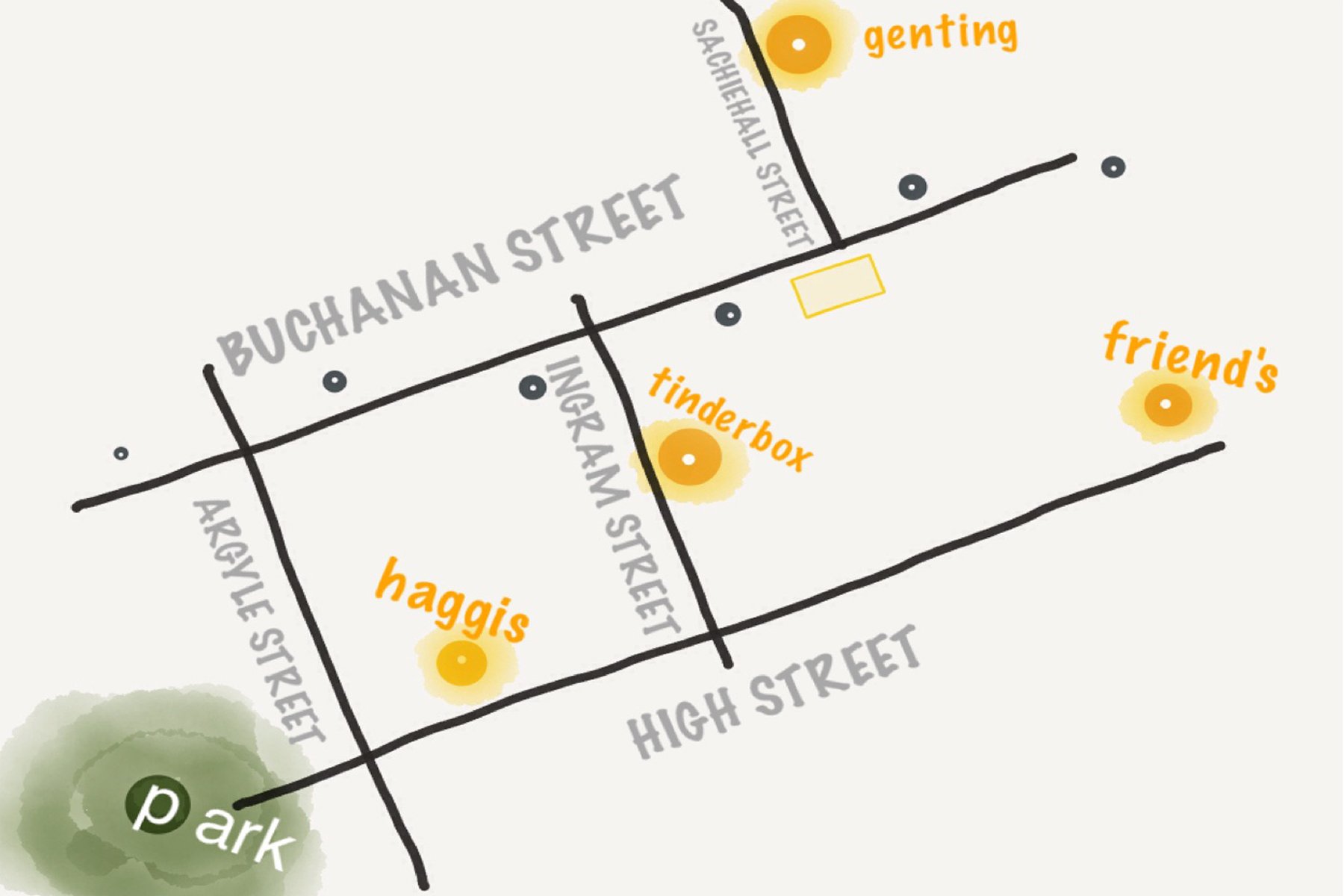
Throughout my stay in Glasgow, I had moved four times to four different apartments, all on the same street – High Street. From there, it was easy to navigate around the city centre. I simply drew five lines on an imaginary board in my head. These five lines became the five streets that bind together to form the rest of my two and ½ years.
I enjoyed my first haggis at a pub located 100 metres down the street. During lunch hour, I had regularly devoured the most authentic Chinese noodle soup in Glasgow, in a tiny restaurant further up. A five-minute walk up Ingram Street brought me to a cafe where I had my daily cup of latte (large) until I bought myself my own espresso machine. I regularly walked to Argyle Street to do some shopping and sometimes, even further until I reached Glasgow Green. On days when the sun came out, I relished at the sight of buskers on Buchanan Street. When I needed a release after project submissions, we went to a karaoke club on Sauchiehall Street and screamed out Eye of the Tiger.
I cannot advise on the cost of living in Glasgow, but here are some numbers to help you make a comparison to things that you are familiar with.
I paid £82 a week for student accommodation for a room in a flat for six people. I thought this was affordable at that time, but according to a German friend of mine, it was freaking expensive!
There are few backpacker hostels in Glasgow. Many travellers bypass Glasgow and head to Edinburgh, instead. You may find these hostels on Hostelworld.com, my go-to website for hostel searching. The hostels in Glasgow tend to have terrible reviews. Airbnb is a good alternative and prices start from £40 a night.
If you come to Glasgow solely for travelling and want to know the city, I recommend couch-surfing. The couch-surfing community in Glasgow is quite big, and they do regularly meet up for drinks. Many members are actively hosting, so it should not be too difficult to get a place to stay. When I was living there, I hosted a lot as well and had made a few good friends. I also highly recommend Dumbleflips Free Walking Tours on the couch-surfing website. The walk was enjoyable and fun, but I did recently hear from him that he was cancelling them due to health reasons.
Food-wise, a large latte cost me £3.20. A Daily Specials Pie at a regular pub cost £9. At Weatherspoons, one of my favourite pub franchises that offers cheaper meals, a Daily Deal Meal with a drink cost roughly £6 – £8. In Glasgow, Asian sit-in restaurants are expensive. A bowl of noodle soup generally cost £8 – £11, however, the hybrid Asian fusion ones that I dislike, are even more costly but less satisfying. I fell in love with a small and cheap Indian take-out restaurant that is worth the visit if you miss Indian food.
The subway that runs in the city centre cost £4 for an All-Day Ticket and £3.20 for a single – journey. It is very convenient, but it gets pricey after a couple of weeks. You may, instead, save on the cost by taking the bus for as cheap as £1 one – way, or by walking. I enjoyed walking in Glasgow despite the constant drizzle. I believe that is the best way to know a city.
One of my favourite things about Scotland? – The free-entry to museums. I spent many afternoons at Kelvingrove Art Gallery and Museum, getting lost in the large architecture building. The museum is situated within the compounds of the Kelvingrove Park, where I sat alone on benches watching people go by. In the summers, the park fills up with people as many outdoor events are hosted there.
Glasgow is the birthplace of Mackintosh, the Scottish architect, designer and artist whose masterpiece was the Glasgow School of Art (GSA). The Mackintosh is known for its influence of Scottish baronial architecture, art nouveau ironwork motifs, and attention to details. When in Glasgow, do check out the legacy of Charles Mackintosh. The GSA organizes architectural walking tours that cost £19 for a ticket.
Each September, Glasgow hosts the Glasgow Doors Open Days Festival. Annually, the public is given access to over 100 historic buildings in the city, with the mission to broaden awareness of a rich built & cultural heritage.
Finally, we arrive at my favourite topic-music. Glasgow, as you probably already heard, is famous for its live music scene. New bands get discovered here regularly. I just found out that the band, Texas started in Glasgow. I used to listen to them when I was young and when I get that feeling. Pubs have regular open mic nights and play hosts to live bands every other weekend. If pubs are not really your style, head over to Buchanan Street in the summer to watch the buskers sprout like mushrooms after the rain. I love it and miss it so much!
George Square is the heart of the city. Toward the south and west, the shopping districts of my five lines (refer above) are Argyle Street, Buchanan Street and Sauchiehall Street. As it is with cities, the shopping malls, restaurants and cultural venue reside around these areas. Go here for shopping, souvenirs, food, people-watching, buskers and to soak in the life of the city.
Merchant city was named after the wealthy city merchants who used to live here in the 18th and 19th centuries. It is the centre of the growing cultural quarter of Glasgow, which houses art galleries, workshops, art studios and production spaces. Here in Trongate lies the oldest surviving music hall in the world, the Britannia Panopticon. Go here for art, cool cafes and the quirky but highly recommended shows at the Sharmanka Kinetic Theater. I did not understand the show, but I liked it!
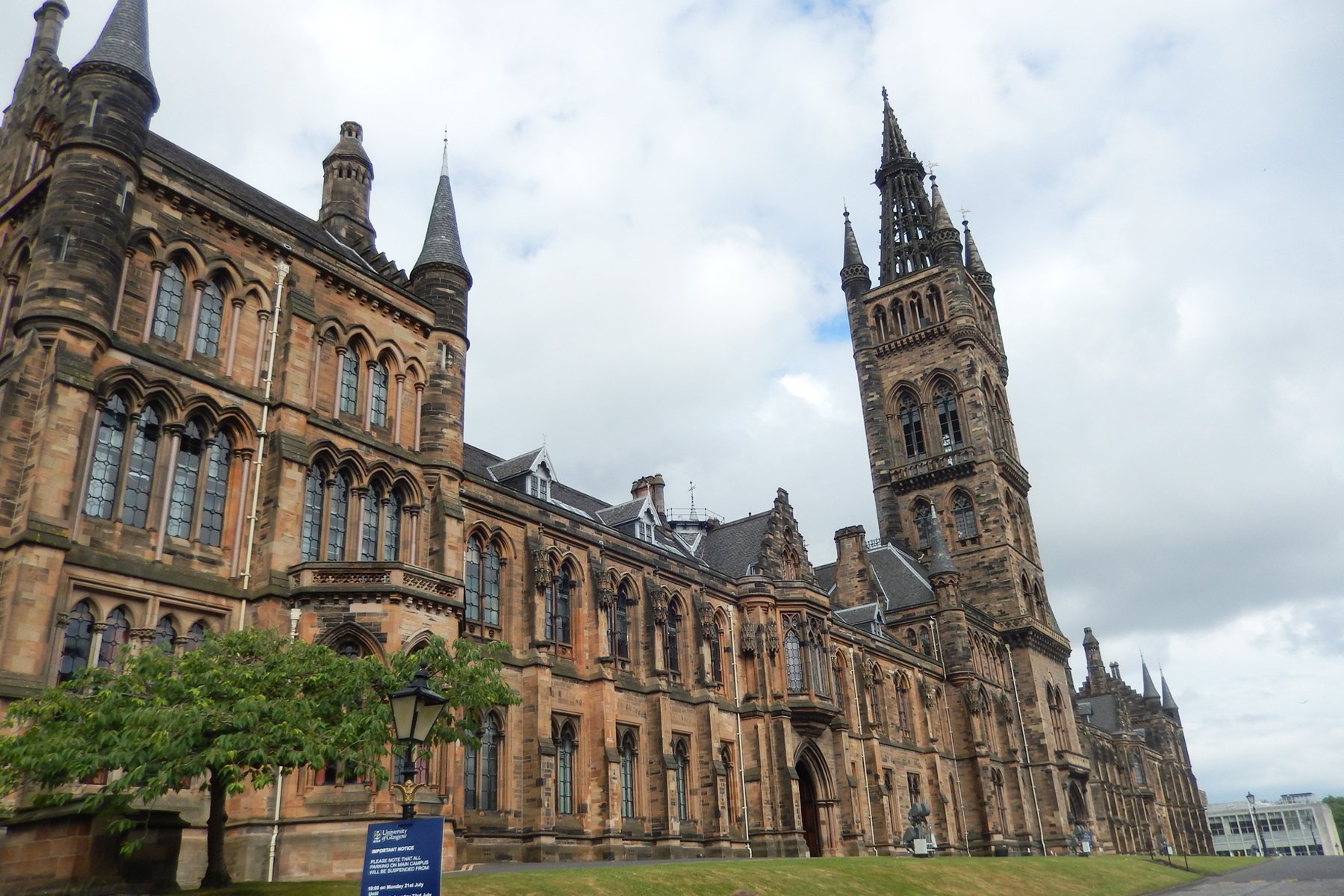
The West End is a bohemian district famous for its cafés, tearooms, boutiques, restaurants, thrift shops, and second-hand bookstores. It houses the Kelvingrove Art Gallery and Park, the Botanic Gardens, and the University of Glasgow. Byres Road is especially popular with tourists. Here, hipster-style cafés sprout up every now and then. Go here for second-hand shopping, bohemian teashops, quirky cafés, museums and parks.
East End is home to the famous Glasgow Barrowland Market, ‘The Barras’, Glasgow Green, and the Glasgow Necropolis. This area is the least explored by tourists. Go here for the weekend market, get lost in the large park and wander into the cemetery. Be careful here as I have heard of people being robbed in the neighbourhood.
The south side is predominantly a residential area, but houses among others, Mackintosh Scotland Street School Museum, the House for An Art Lover, the Burrell Collection, and the Glasgow Science Centre. Go here for the many public parks, museums, and the National Football Stadium, Hampden Park, which hosted the Commonwealth Games in 2014.
Some neighbourhoods in Glasgow city tend to be sketchier than others. In my opinion, reading up on the crime statistics before you travel is not one way of preparing for a trip. Nonetheless, it does not hurt to know what you should and should not do in Glasgow, as well as which places to avoid. Unlike Barcelona, where crime tends to favour toward pickpocketing, in the city of Glasgow civilians get rob at knifepoint. This was only a story to me until it happened to a close friend of mine. The robber held a knife to her throat and told her to give up all her valuables. Crime such as these do not happen everywhere, and it is generally safe in the city centre and in tourist areas where there are more people around.
As a rule of thumb, the further east you go, the more careful you have to be, especially in quieter areas. There also tend to be sketchy figures lurking around the Glasgow train station. I never felt comfortable walking there at nights, but I try to avoid them altogether.
Getting lost in the museum on rainy afternoons, having coffee in the café while watching the organ recital, strolling through the park people-watching, and having picnics there in summer. Free – entry.
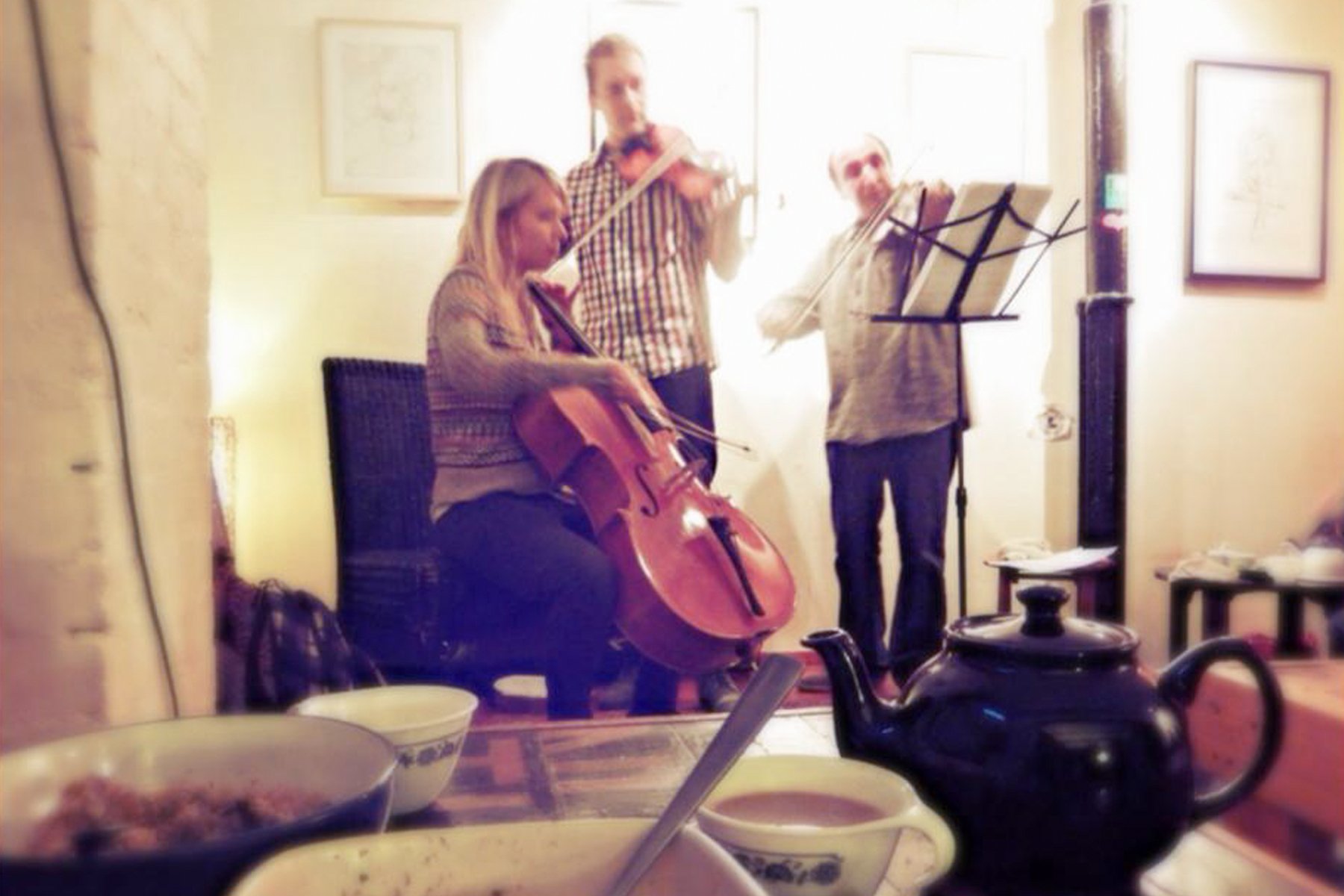
One day, I found a little tea shop two streets away from the Kelvingrove Art Gallery. They offer a menu of teas from all over the world, as well as serve vegetarian/vegan dishes. They also provide shisha, which must be smoked outdoors. Some evenings, they host live acoustic music and poetry readings.
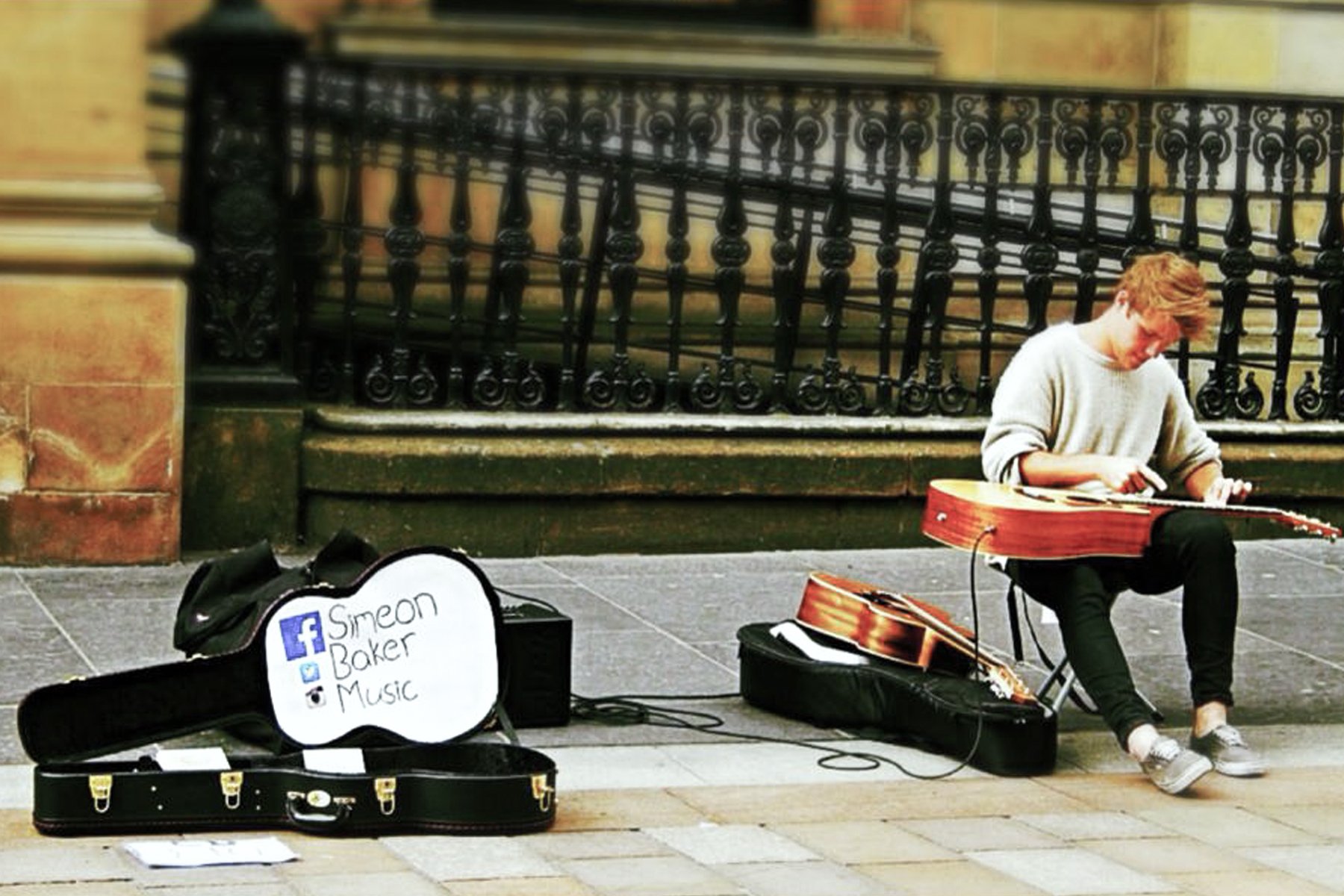
Rain or shine, buskers are a regular sight on Buchanan Street. In the summer, they swell in numbers. For every 100 metres, you will be spoilt for choice. Listen to all of them.
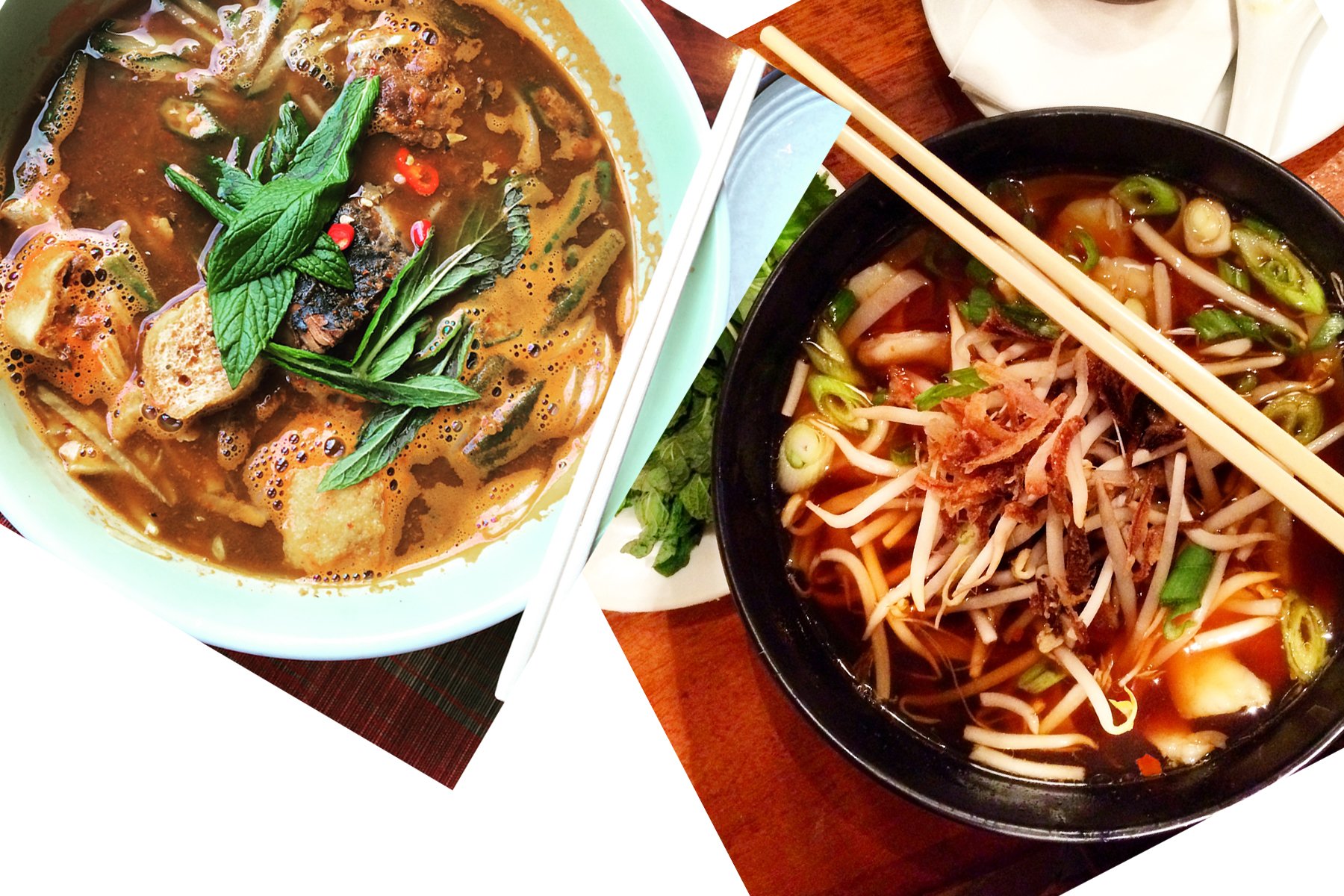
Yes, they are expensive but still cheaper than cooking (if you only do it once or twice). The last time I dined at Banana Leaf off Sauchiehall Street, they had just undergone an upscale revamp. I think the food is delicious and somewhat authentic.
Haggis, that weird dish that I thought I would have hated. I fell in love at first bite. Usually served with turnips and mashed potatoes – hence, Haggis, Neeps and Tatties. If you only had one chance to try them, I would recommend going to the authentic pubs. Here is a good one.

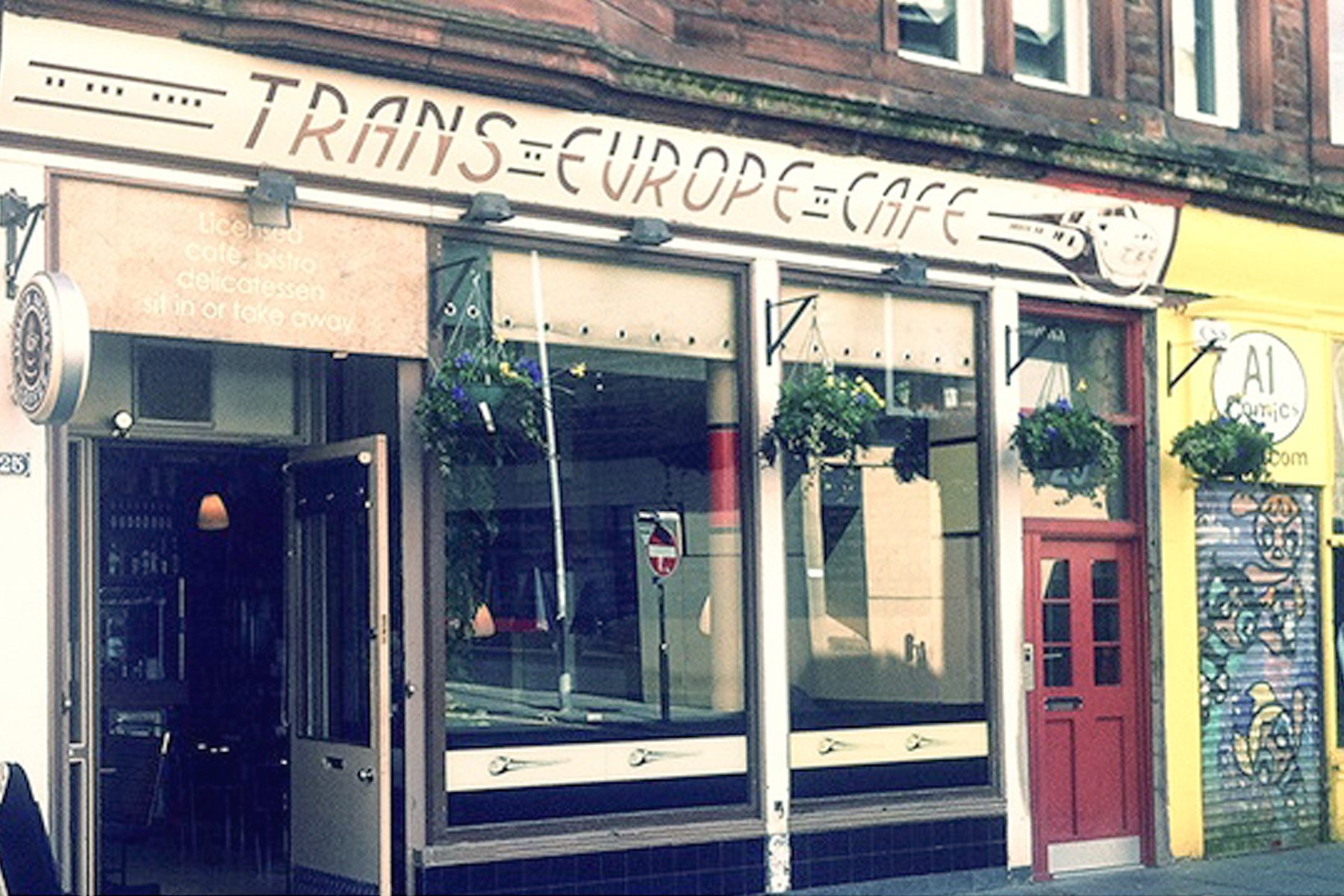
My favourites are the Trans-Europe cafe and Café Gandolfi. Café Gandolfi is more costly, and the serving sizes are smaller. Both places serve lovely coffees, great Scottish All-Day Breakfasts and great warm ambience.
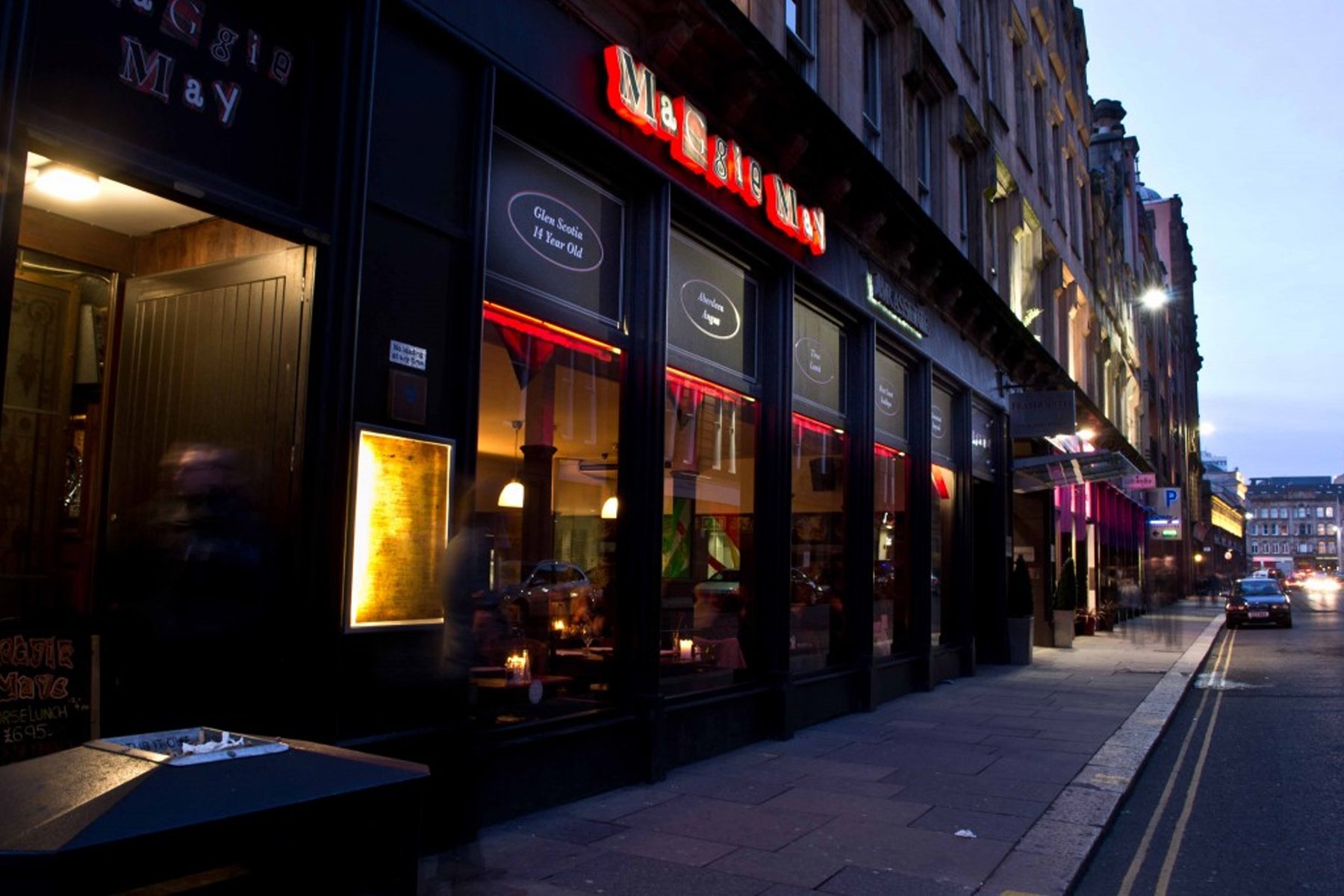
Maggie Mays on Argyle Street plays really loud but very cool songs. They also have delicious cocktails and a dance floor in the basement.
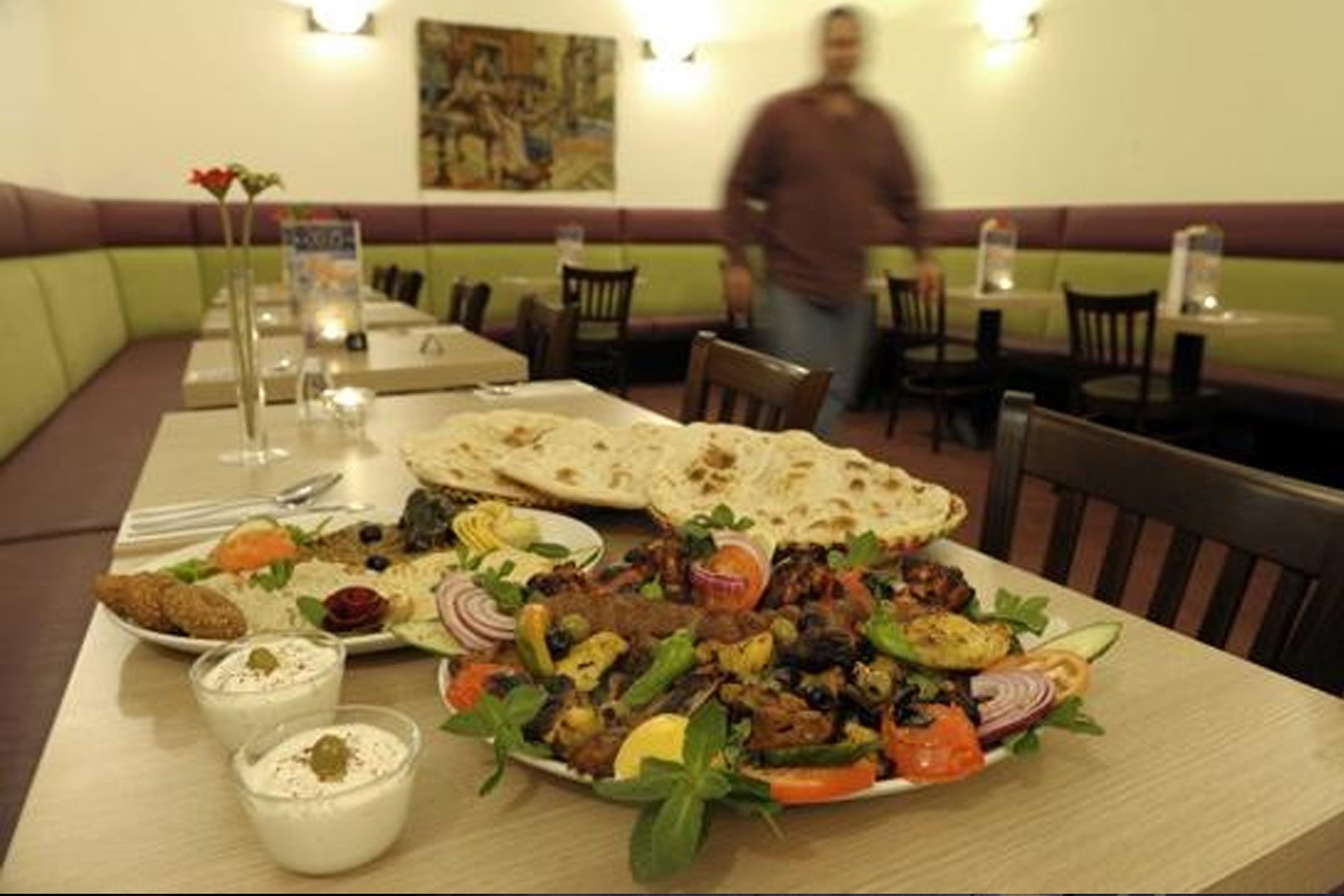
Babylon. This joint sits right across the river from High Street. I still dream of the succulent kebabs and warm rice with butter. They offer huge portions with reasonable prices.
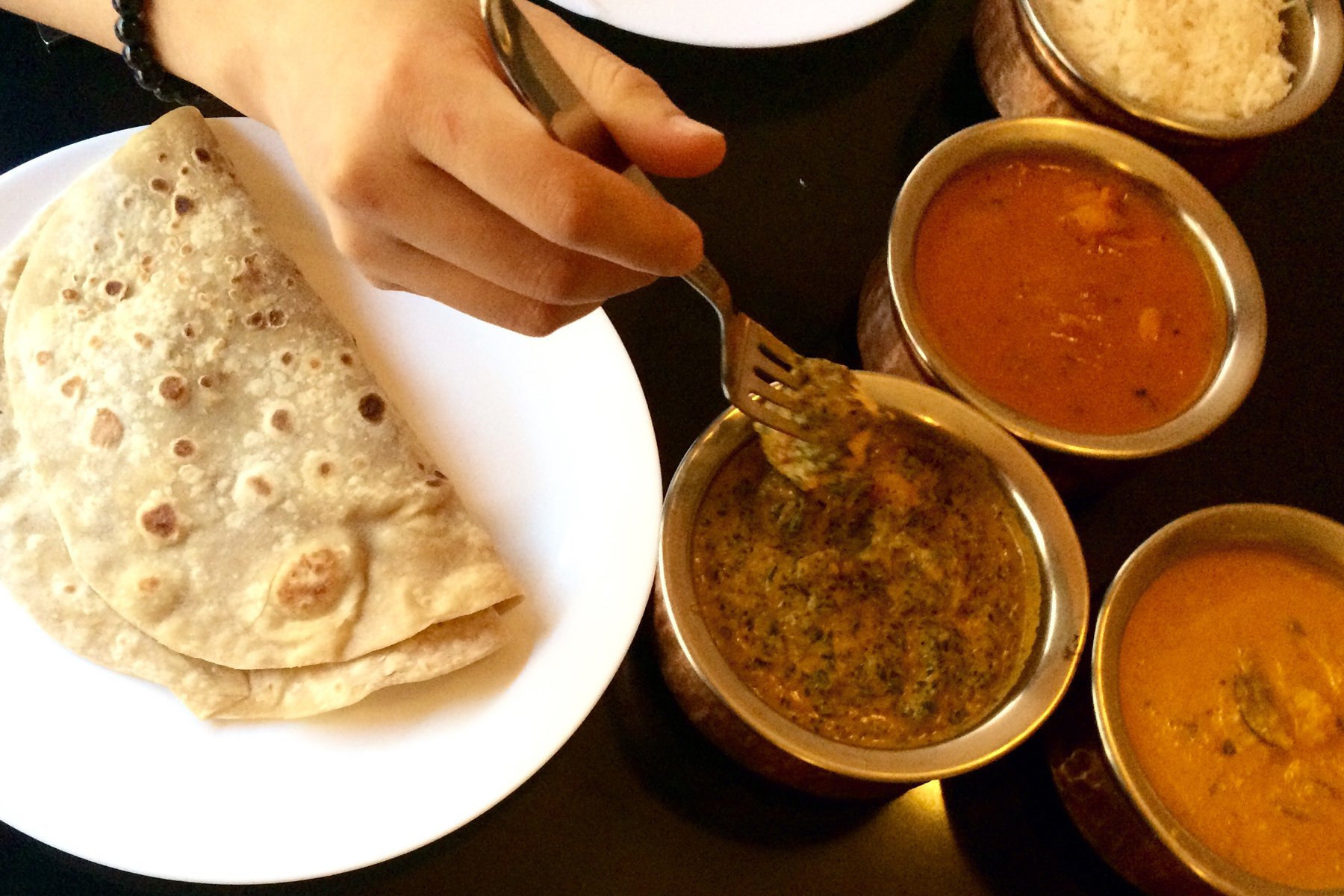
Banana Leaf behind Kelvingrove Art Gallery. Not to be confused with the Malaysian restaurant on Sauchiehall Street. The food is divine and most importantly, so cheap. The dine-in ambience is non-existent as they cater to take-outs. Do not let this stop you from entering, though. It is the best!
If you are ever in Glasgow in September, do not miss the chance to explore the city chambers or the GSA or attend talks and exhibitions on the heritage of the city. It only happens once a year!
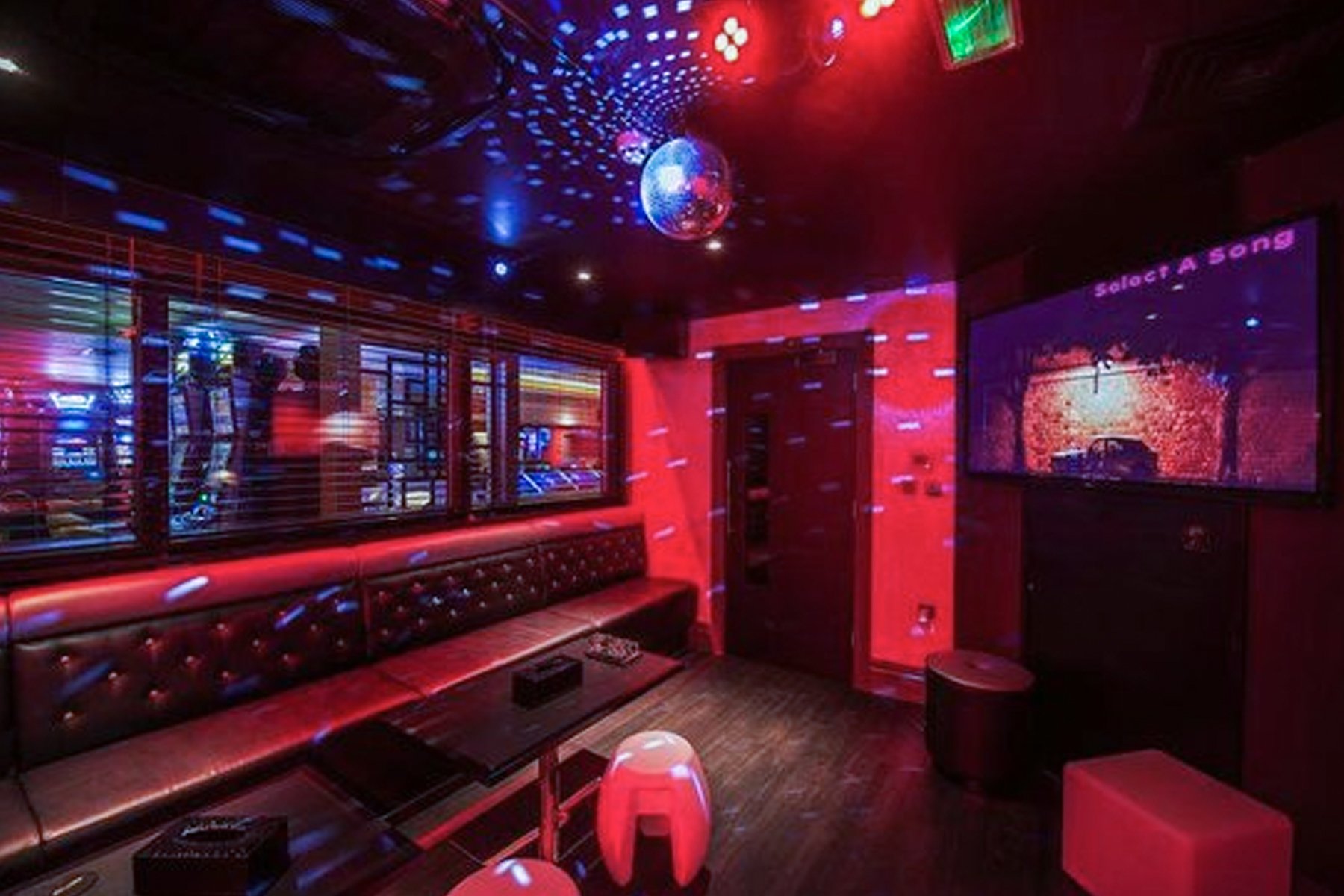
Not so popular in Glasgow and probably not something you might want to do if you are travelling through. However, I have found karaoke to be one of the best ice-breaking activities to do with fellow hostel mates. This is especially true if neither one of you wants to go clubbing or drinking. I have a story where I miraculously found myself a karaoke-gang in every hostel and city that I visited when I travelled through Eastern Europe!
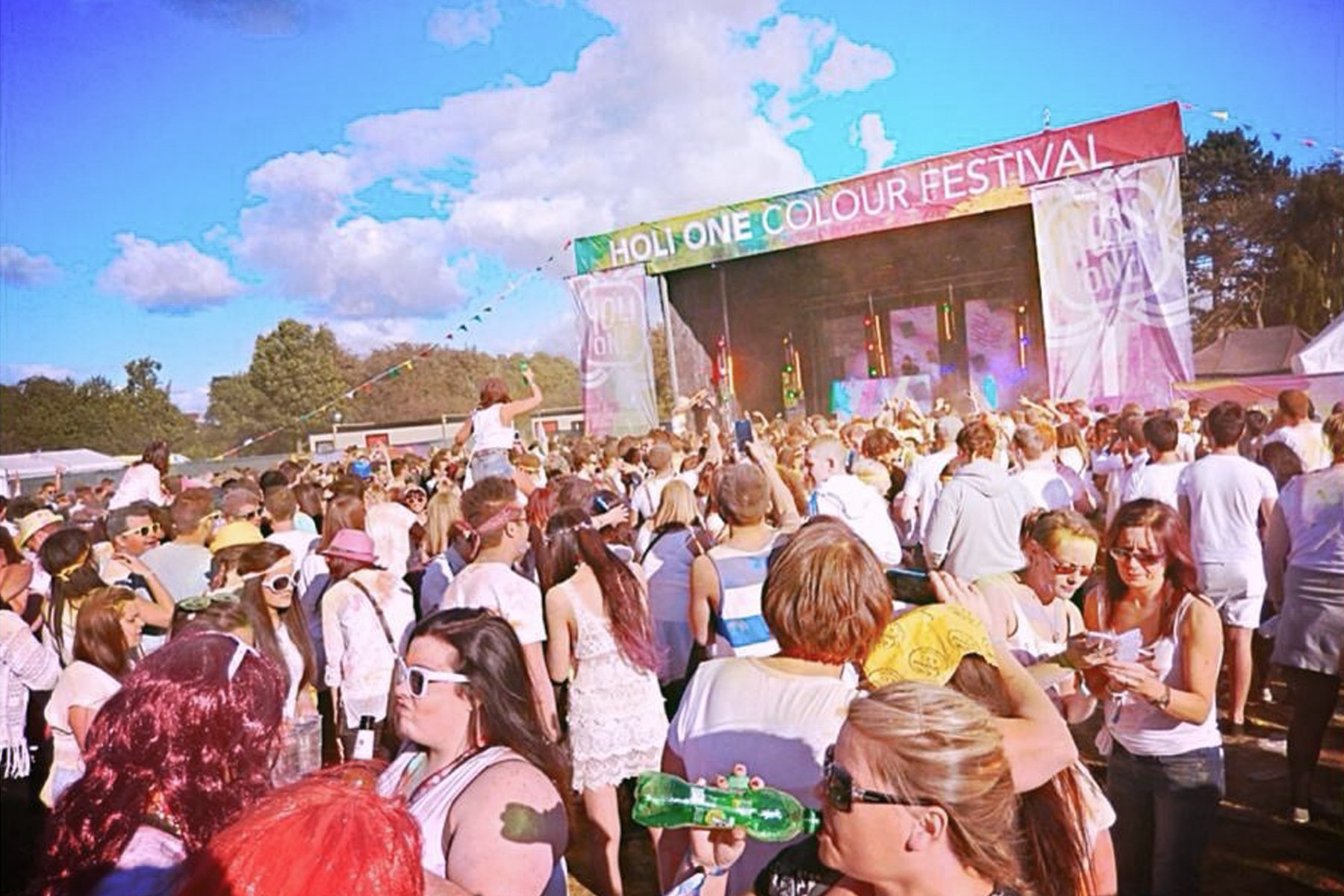
The Holi One that became famous in other cities did find its way to Glasgow one drizzly day in summer. I went to one, it was not great, but it seemed like this may be the closest one can get to the original Holi festival in India – in Glasgow.
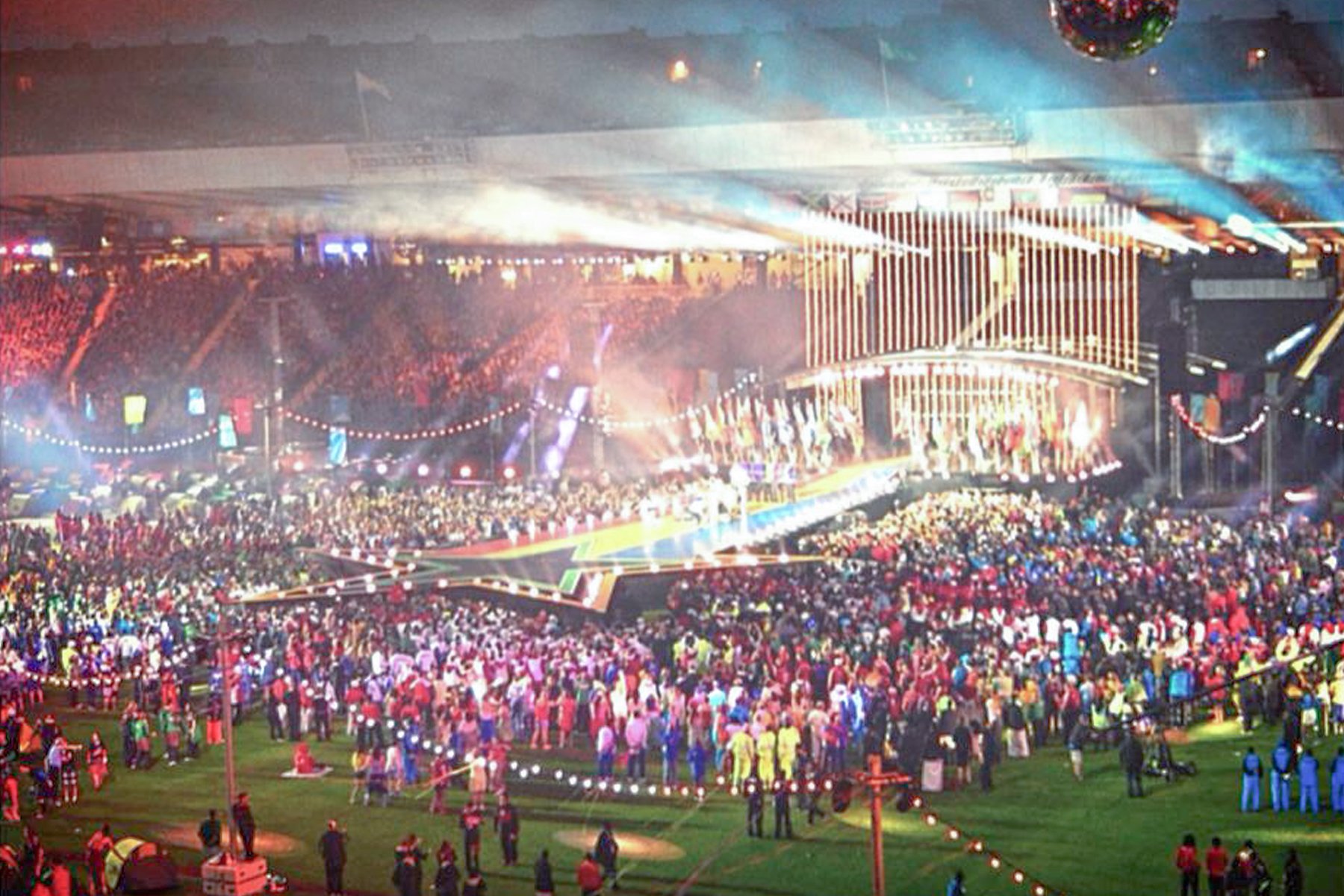
As the excitement grew in the city over preparations for the Games, I wanted to be a part of it, so I applied for a part-time shift that had me rotating between the different venues. Some days, I served food to the volunteers and armed forces. On other days, I flipped burgers at the Hampden Stadium, where the Closing Ceremony took place. That night, I served canapés to the VIPs in the private rooms. I have to admit, I knew nothing about who these people were. Later in the evening, I was aghast when I found out that I had been trying to persuade the President of Kenya to ”absolutely HAVE to try these Haggis Bon Bons!”
Disclaimer: I had no training whatsoever in the hospitality or service industry. My sister, who studied Hospitality in France, later told me kindly, “You’re supposed to shut your damn mouth when serving canapés!”
Breathtaking views! Word of advice. We forgot repellent when we went camping in August. These parts are notorious for the midges. We ended up reading in the tent, instead of playing the guitar out in nature like we had intended to.
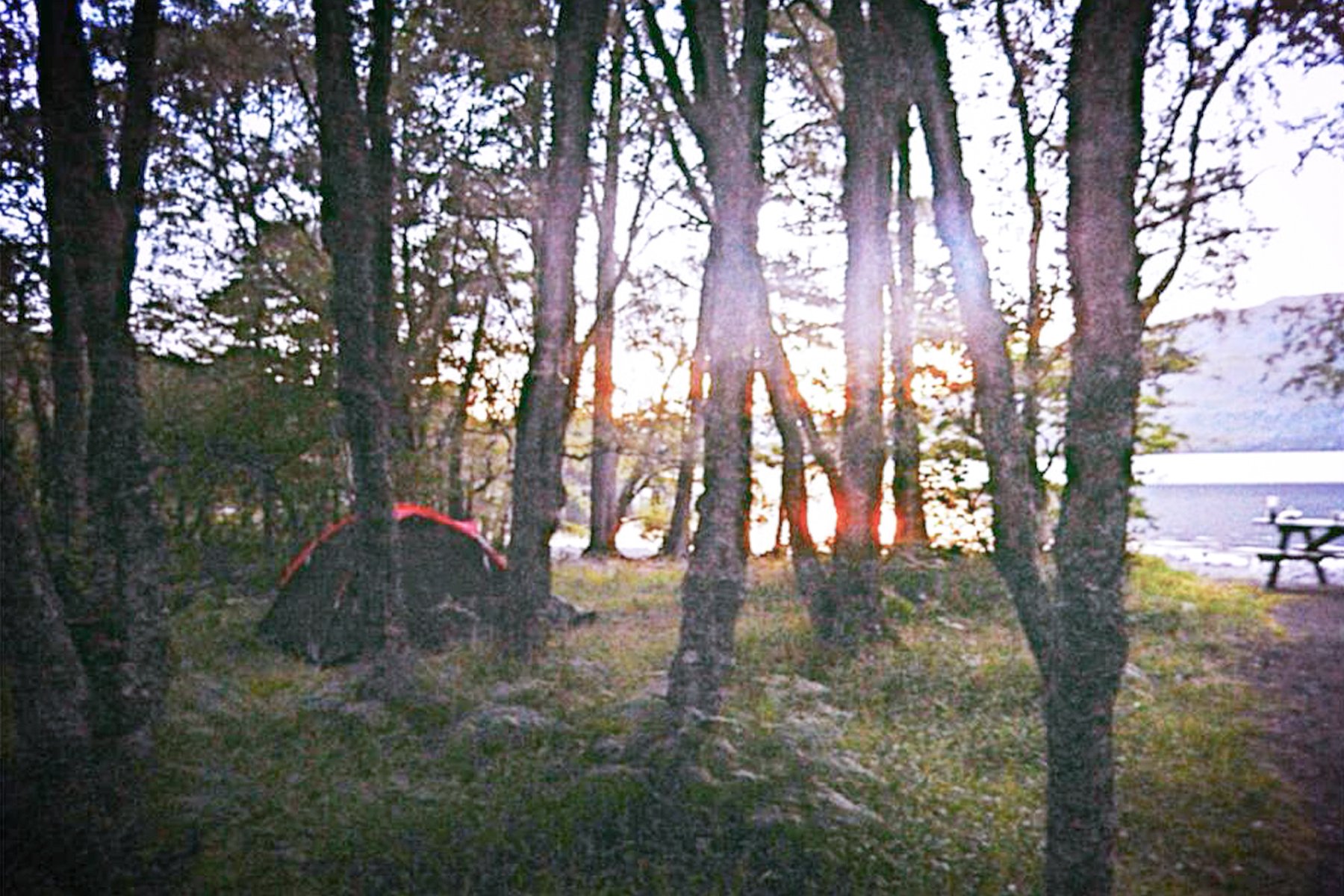
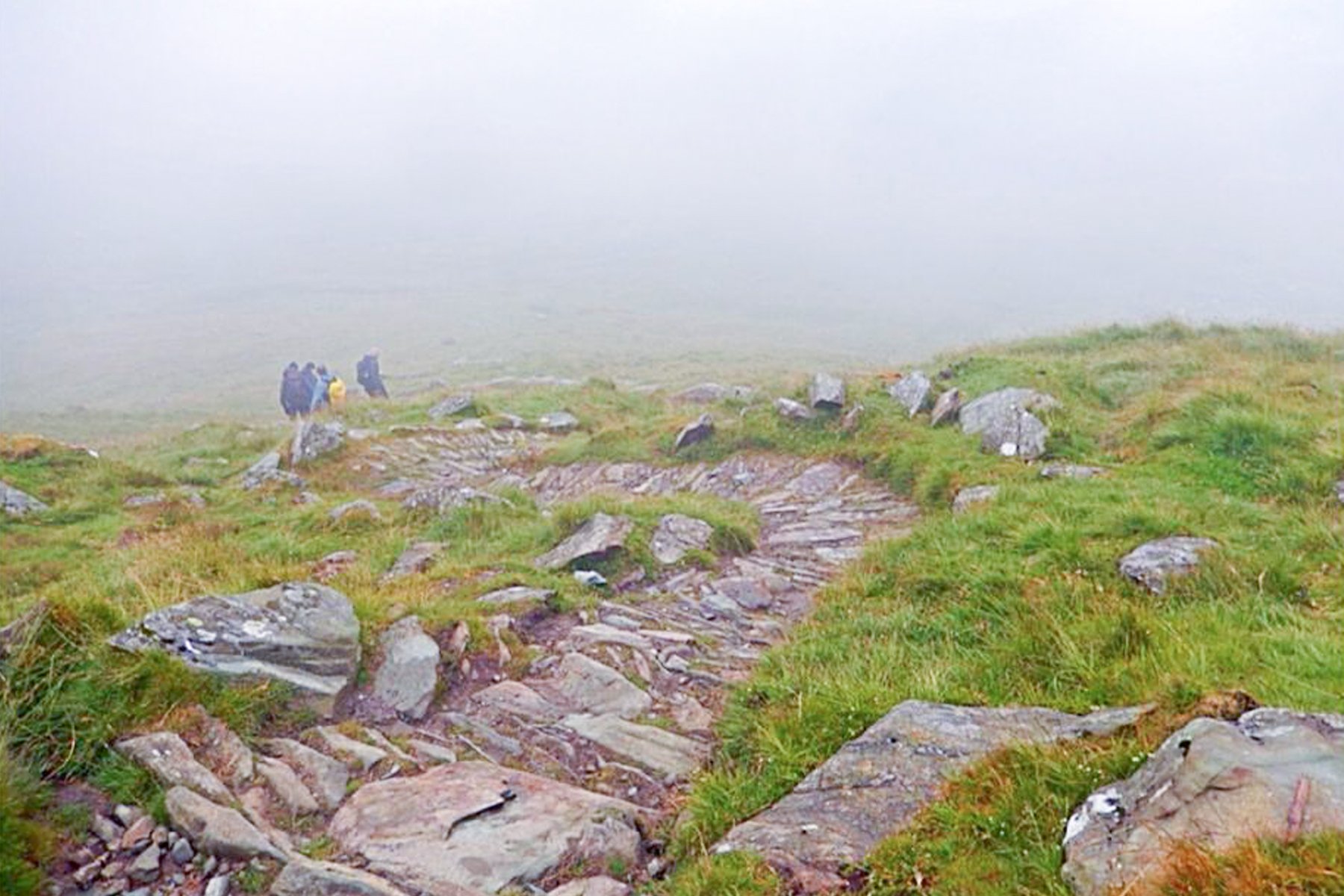
We did not check the weather forecast before we went. A 3 to 5-hour hike up a mountain famous for its VIEWS should only be worth taking if you can actually see the views.
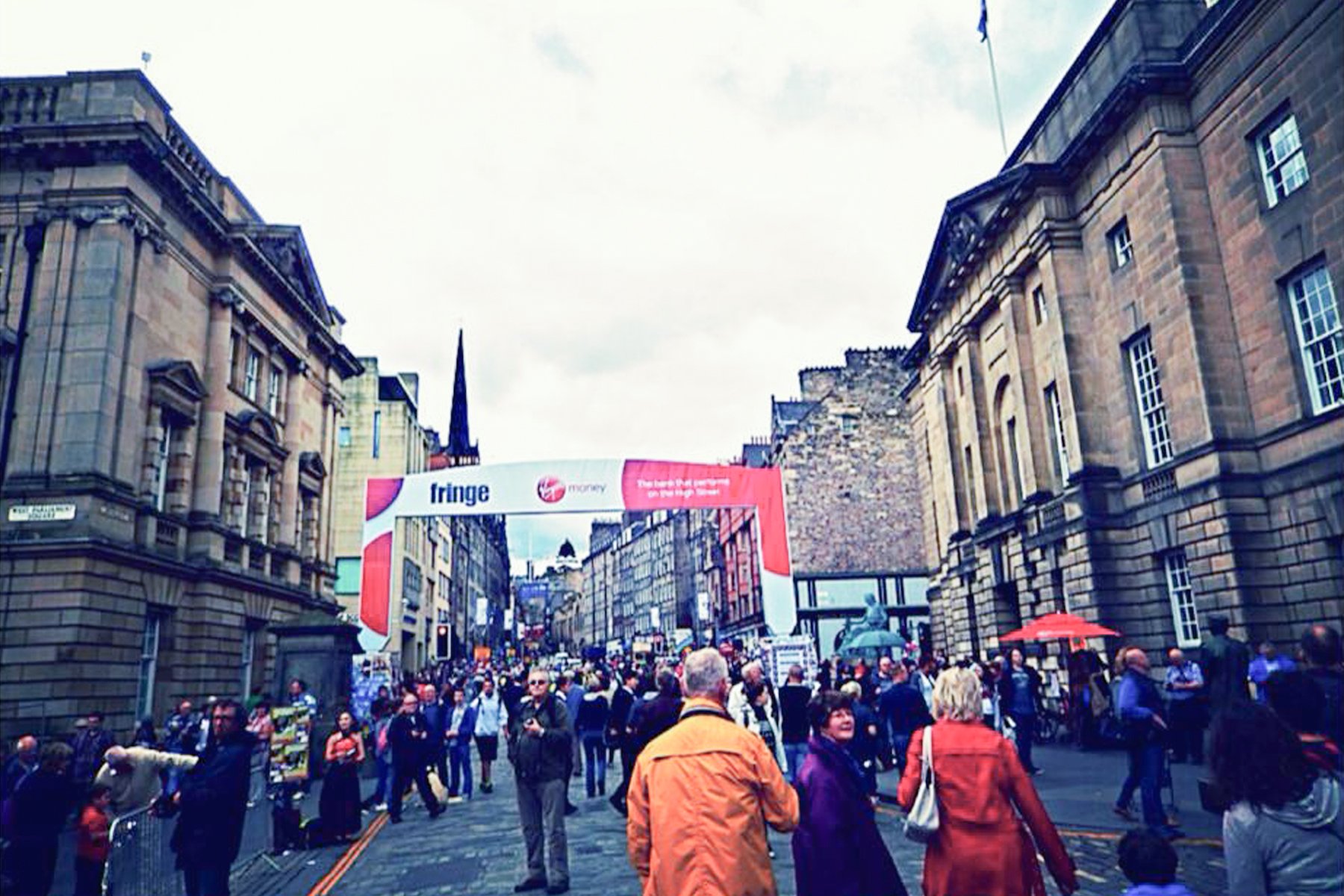
This annual festival happens in August. This is that time of the year when Edinburgh city centre fills up with tourist, and the locals retreat into the outskirts. I have enjoyed walking along the Royal Mile and watching the street performers.
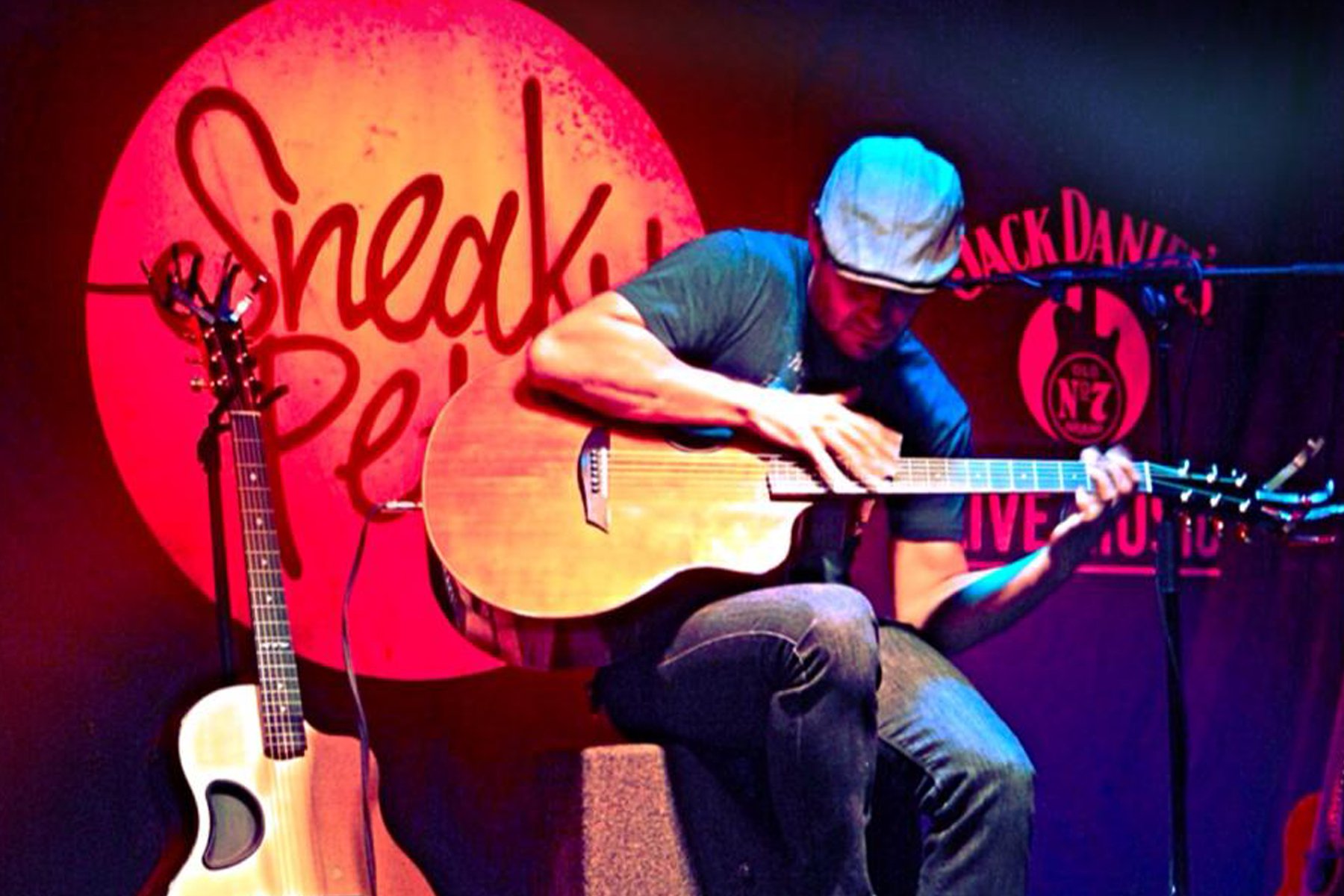
Why not?
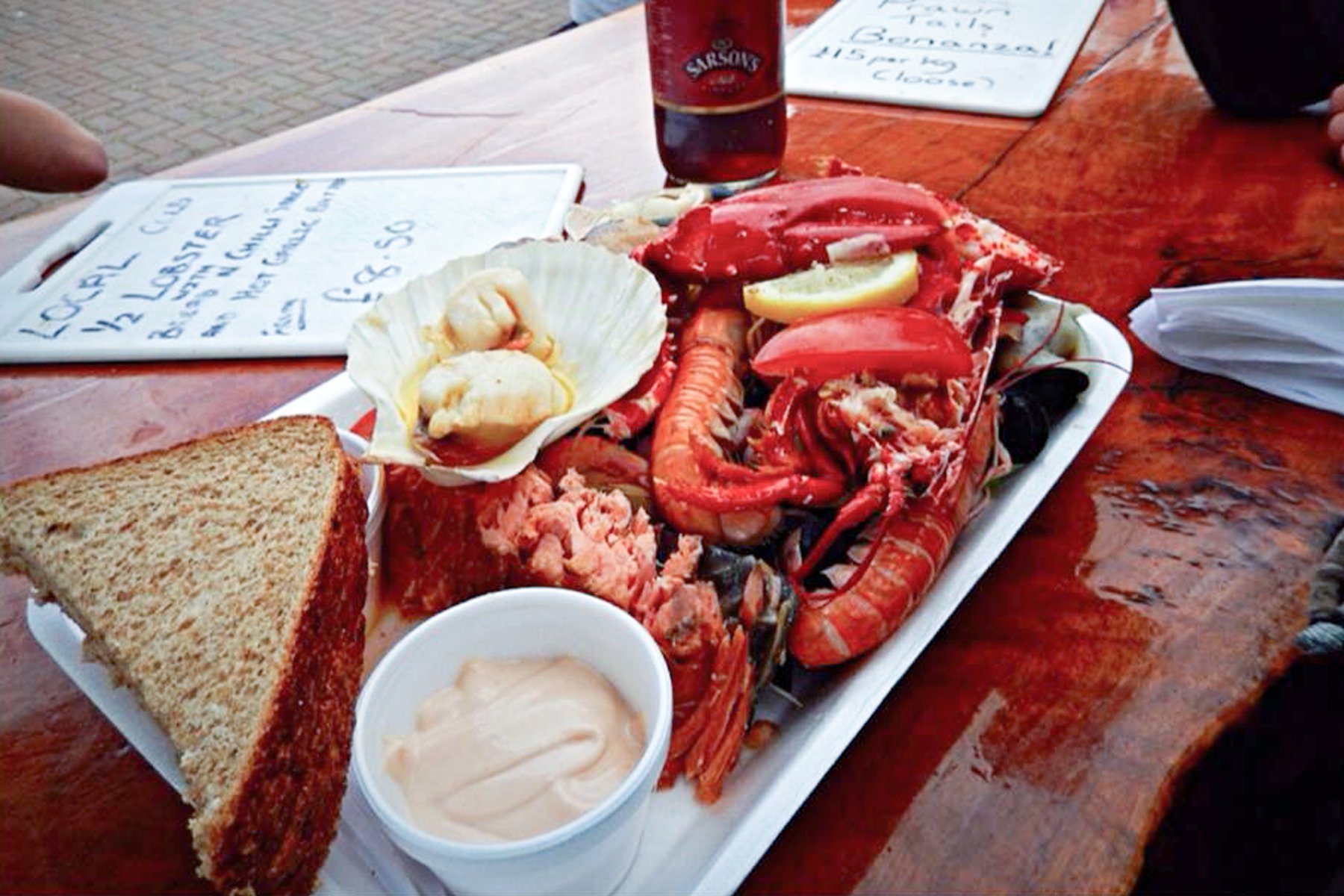
Oban is famous for its seafood. I have been here three times in the two years that I was living in Scotland. Almost every restaurant here serves seafood, but the best is hands down the green shed right at the end of the harbour.
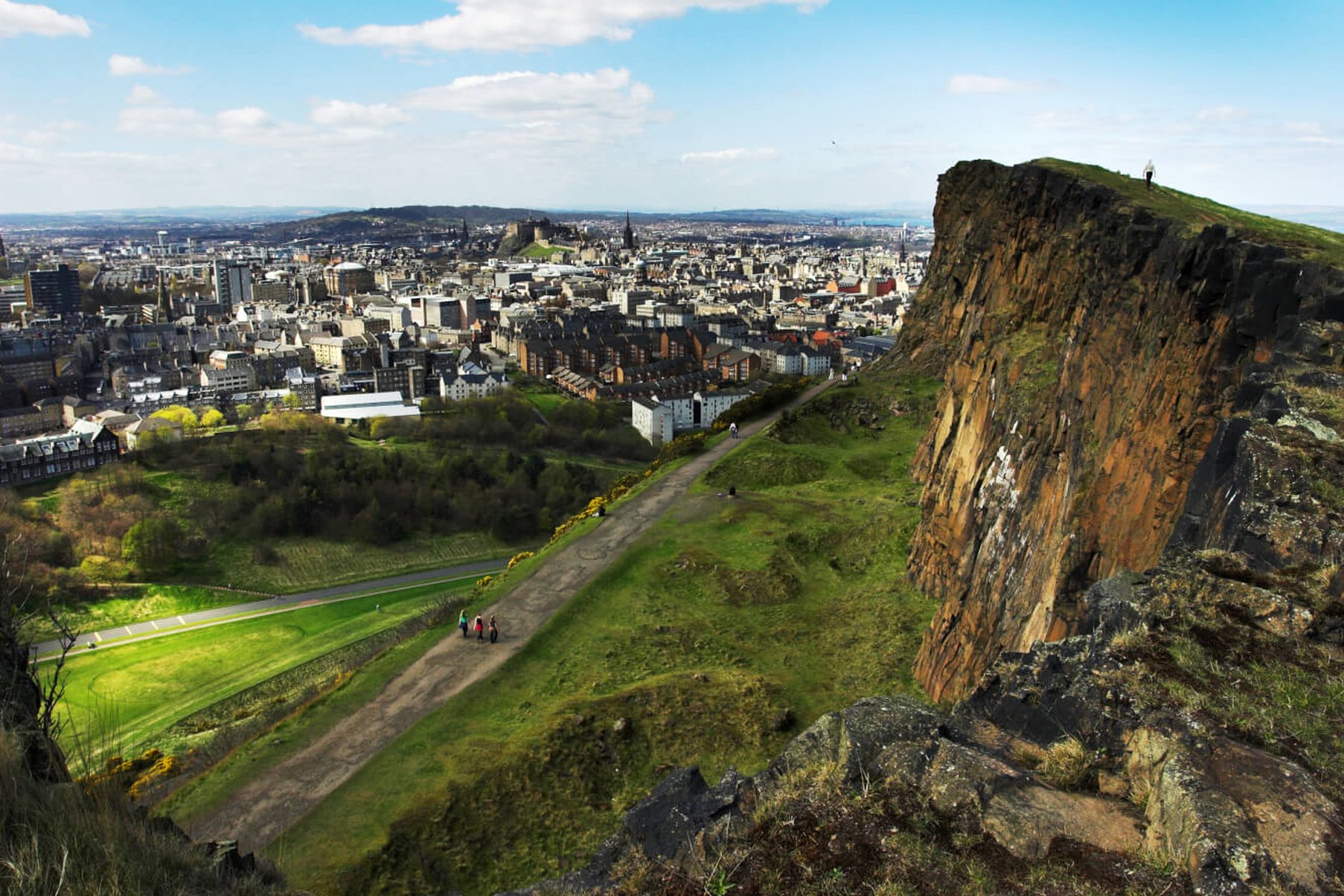
Arthur’s Seat seats right in the middle of Edinburgh city centre. The hike up is gentle and easy to do even for people with low fitness levels. The view at the top of the hill is totally worth it. I remember losing my way once when I was coming down alone and got stuck on a steep slope.
Aberdeen gave new meaning to the colour grey. Unlike Glasgow, which despite its grey skies, boasts brownish sandstone buildings, the buildings in Aberdeen were grey as grey could be. I am not exaggerating when I say, I could not even see the buildings when I had first come out of the train station. Thankfully, a friend of mine who was staying there showed me around the other parts of Aberdeen, which happily had more colour.

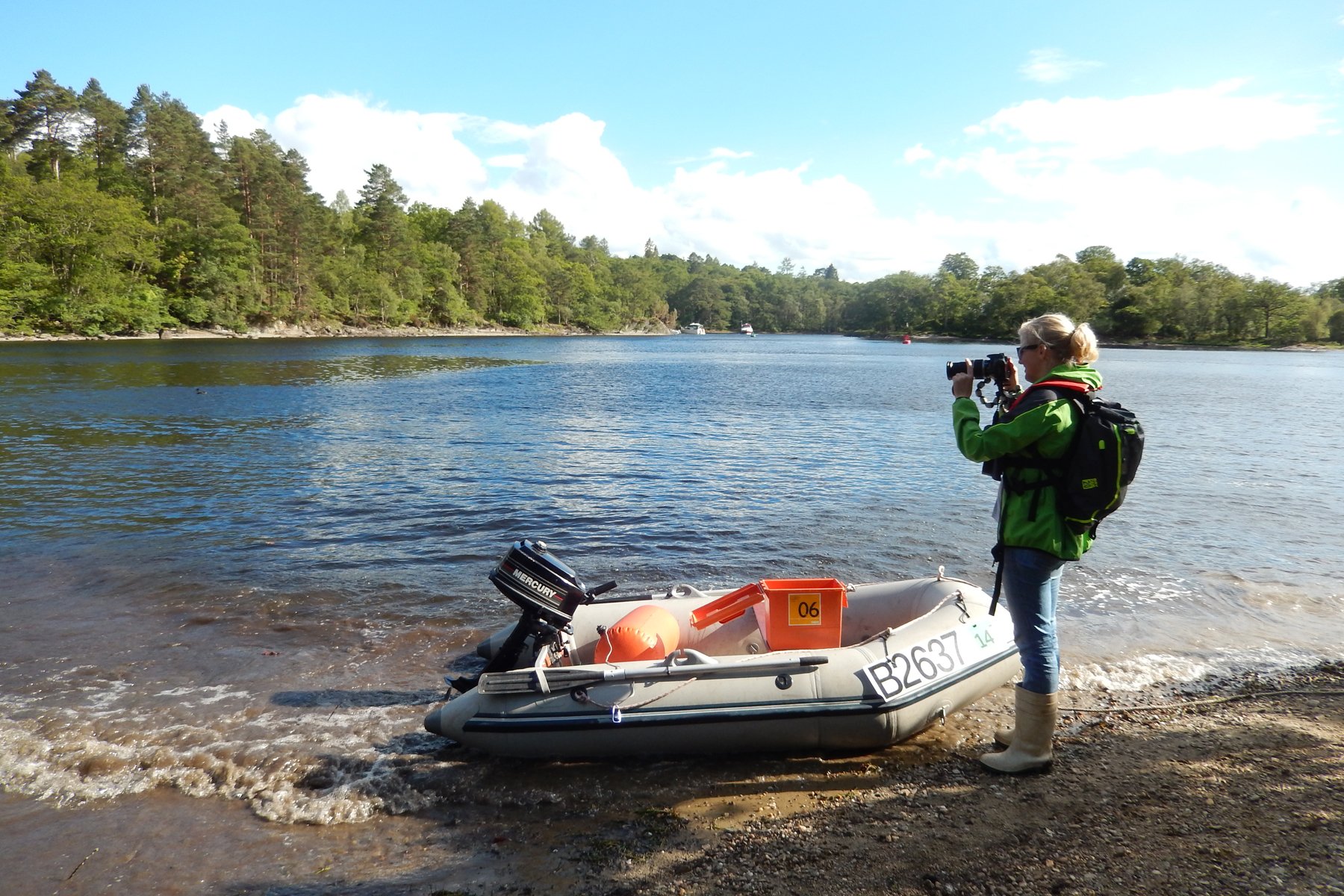
I was couch-surfing in Loch Lomond with some friends that I met through Workaways.net. Our host, Michael kindly offered to show us the Loch on his boat. I was amazed that he knew the names and history of even the tiniest islands that sit on the lake.
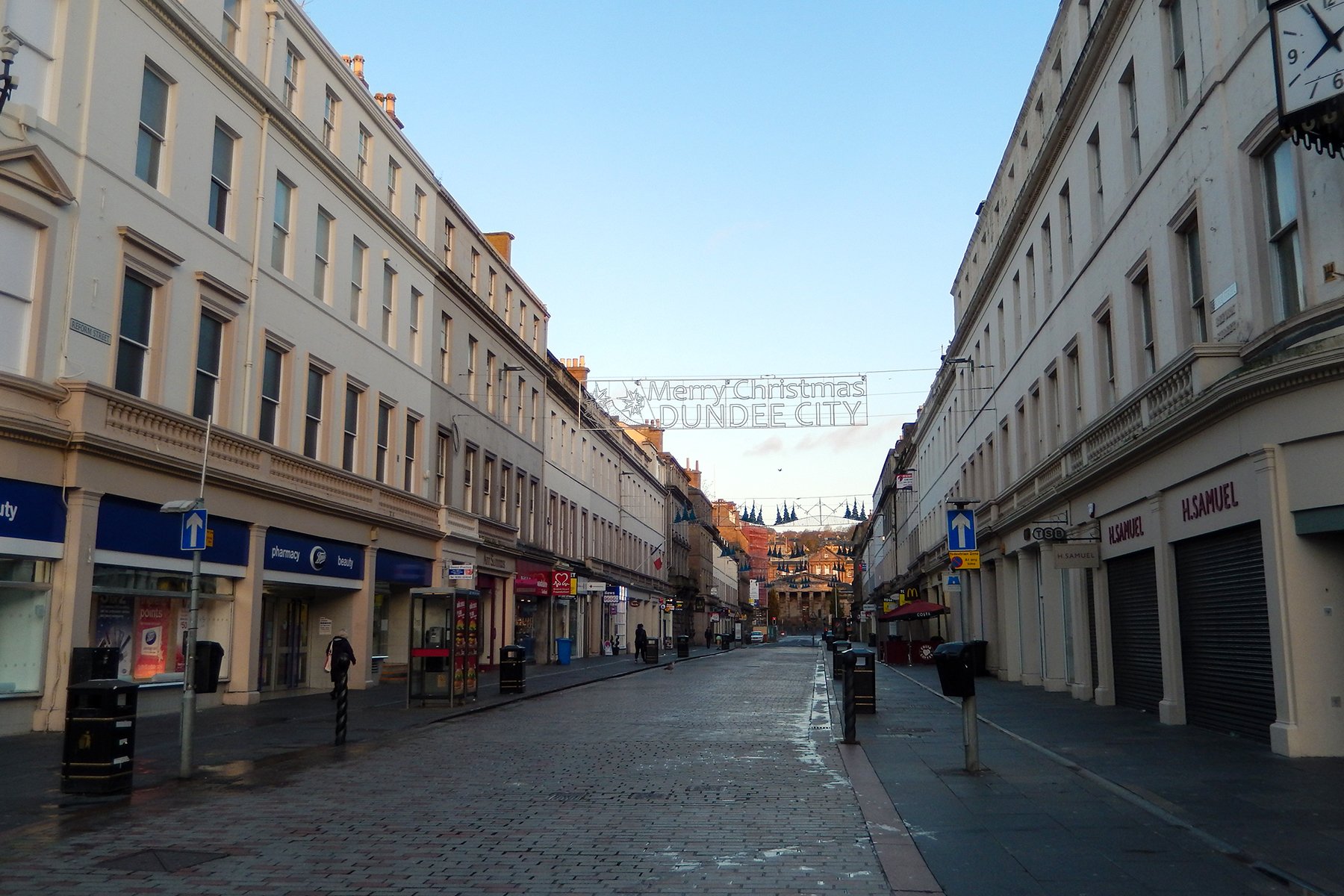
I was in Dundee for a conference when I met a guy who designs apps and games for work. He had collaborated with the local heritage council to create an interactive app that enabled the user to learn about the history of the city as they follow the instructions on the screen.
Writing about Scotland brings back really fond memories for me.
I think the country is beautiful and the people are genuinely the nicest that I have ever met in my life. I miss the city, the food, and the Glaswegian accent. There really is no place like it, and it was an honour to have called it home.
Published March 22, 2016 by Jas
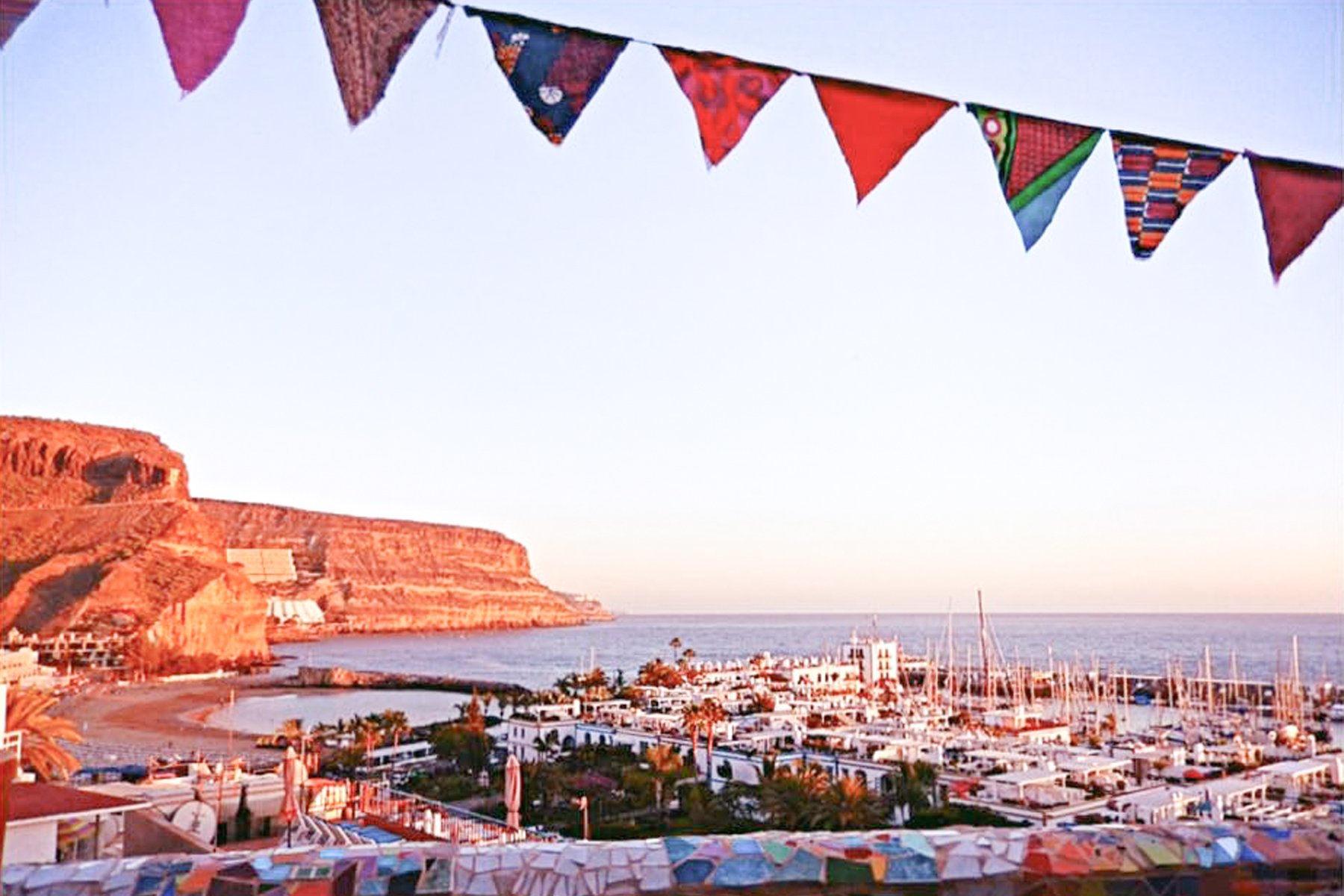
Day 64 – Sixty four days on the island. Twenty-six days of work. Thirty-eight days of island exploring. Twelve sunrises. Fifty-seven sunsets. Forty-two new friends. One new language. Six new life skills.
Heading home soon but don’t ask me what I did, ask me what I learnt and I’ll tell you how it’s possible to never get bored of watching the sunset; day after day after day.
That if I go high enough into the mountains, stars shine brighter than diamonds;
That nothing bad is going to happen if I don’t shower for a day, or two;
That gluten allergies are a real thing, so are egg allergies.
I learnt to accept that this world may not be for all of us.
I learnt that if I put down the camera, the moment lasts longer than a photograph;
That if I linger after the sun sets, a lot of things could happen;
That jumping into the rocky parts of the sea could get you hurt badly.
I learnt that if I asked “how are you” often enough, people start telling the truth;
That I could survive with no Chinese food; or fish sauce
That if I filled my soul with meditation and music, I didn’t need food at all;
That it’s possible to live surrounded 24/7 by people and still feel lonely.
I learnt that if everybody followed their passion and did what their hearts truly wanted, this world would be a better place;
That so what if cats are multilingual, they will still sit on your face when you’re sleeping.
I learnt to like sleeping with cats;
That it’s possible to couch-surf a hostel.
I learnt that if I follow the sun, it takes me places;
That from higher up, people look like dead dolphins when they tan on the beach.
I learnt that it’s possible for two buff sized grown men to share a single day bed;
That a lot of people are homeless just because;
That medical insurance is a bitch.
I learnt that assumption gets us nowhere;
That if we didn’t know where we’re going, any road gets us there;
That we’re never too old to persistently ask why.
I learnt that it’s useful to be book smart; but
Essential to be street smart;
That olive oil heals ear-aches.
I learnt that I bruise easily;
That there are generally only two kinds of people;
Those who do and those who ask what those who do, did.
Published January 21, 2014 by Jas
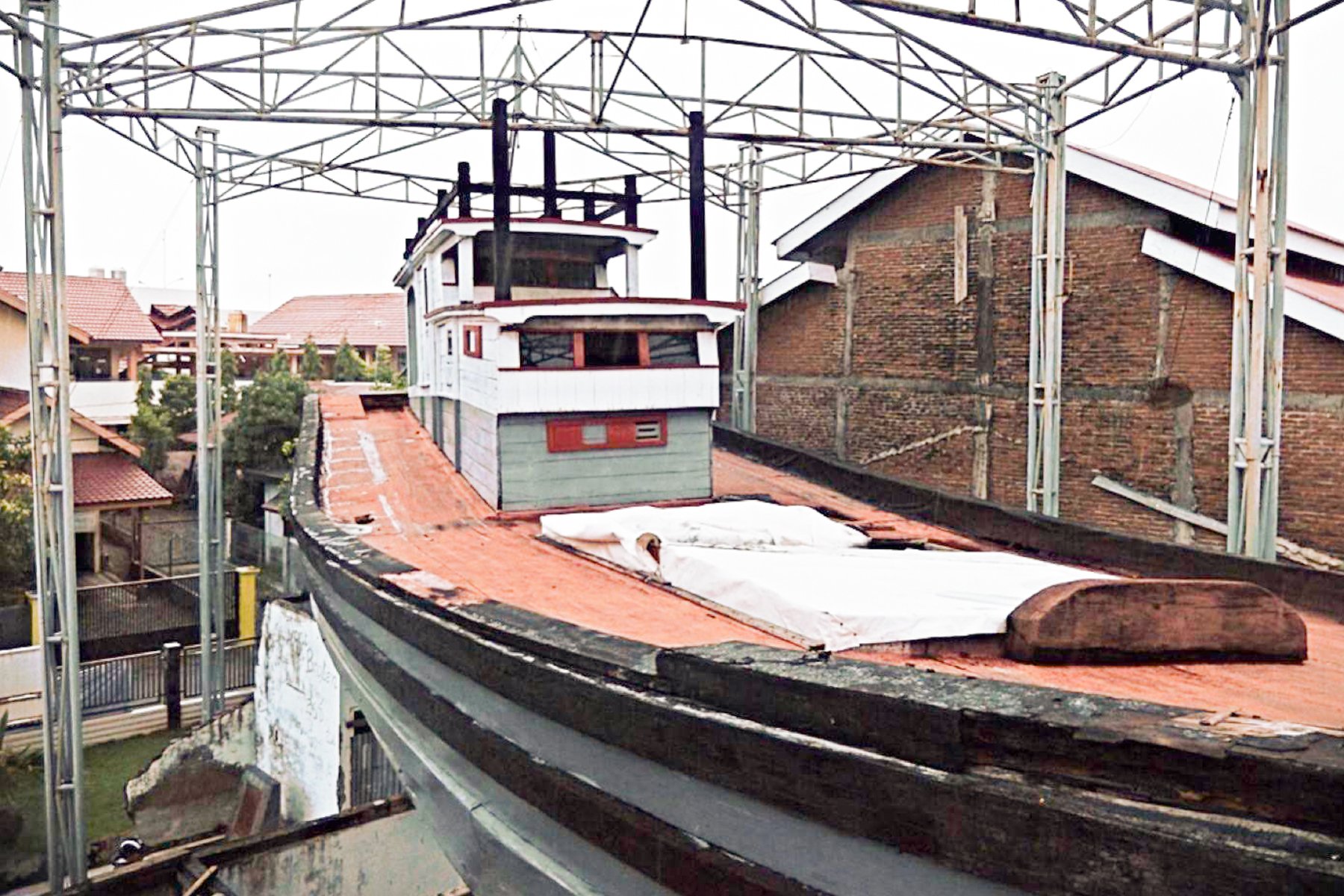
The year 2014 marks the 10th year since a tsunami wiped out half the city of Banda Aceh, capital of Aceh in the Sumatran Island of Indonesia. At that time, I was based in Scotland, working on my thesis on reconstruction after disasters. I decided that this would be the perfect opportunity to follow up on the reconstruction efforts by the government as well as the local and international NGOs stationed there since the event.
After getting the necessary paperwork done, I boarded a flight with a close friend who had surprised me by telling me that she wanted to visit Aceh. We would spend the first few days sightseeing and visiting Sabang Island. We had rarely spent time together anymore, and I was glad that she was coming along for the trip.
We arrived at the airport and immediately hired a tinted black taxi that took us to the ferry terminal. This was a minor mistake in terms of finances as if we had done more research, we would have known that a tuk-tuk would have sufficed for half the amount that we paid for. Tuk-tuks are plentiful in the city, and they were much cheaper compared to air-conditioned cars. Also, I felt much safer in an open-air tuk-tuk compared to a fully tinted vehicle.
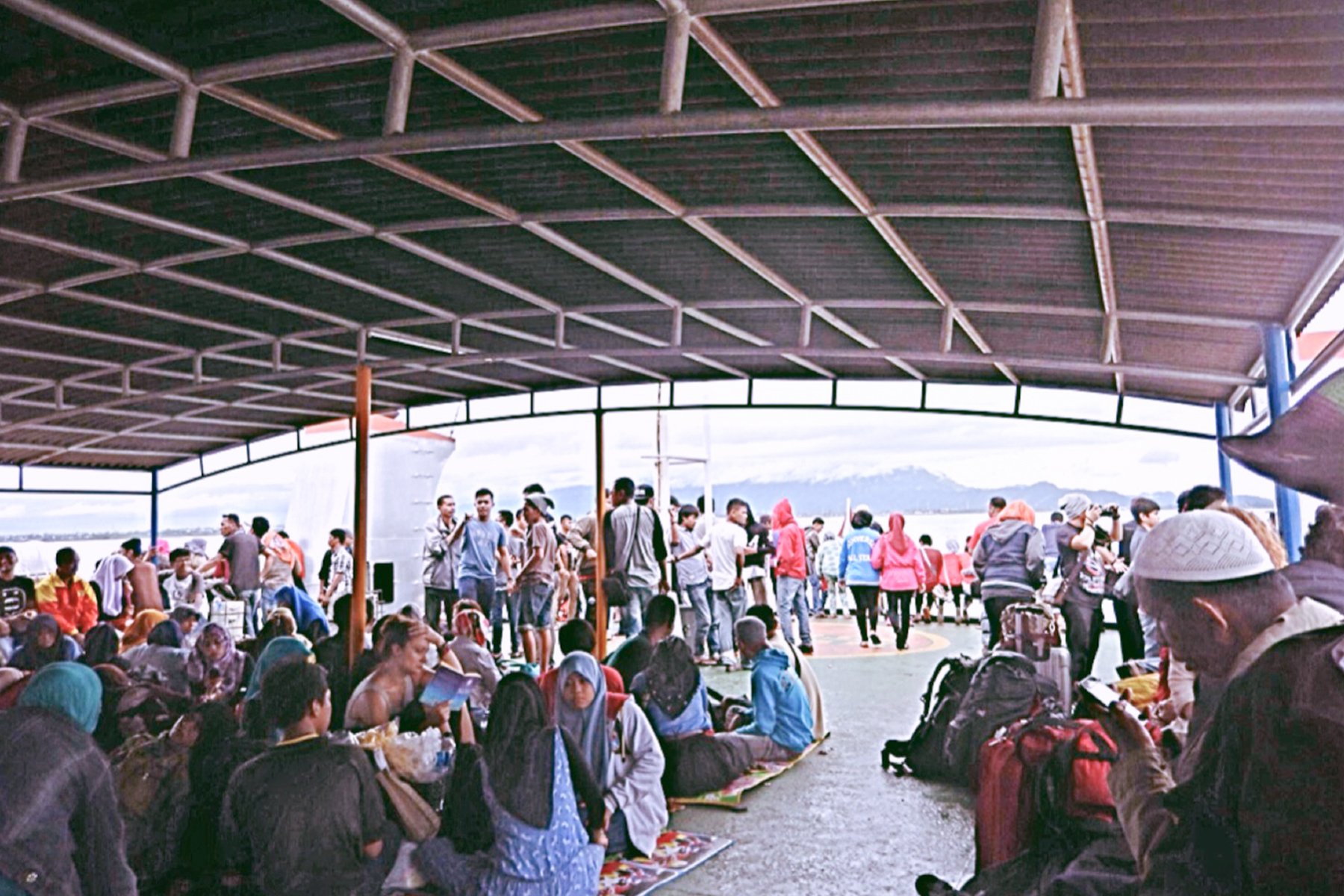
The ferry ride was uneventful, albeit somewhat unsafe. The more expensive tickets had seat allocations in the air-conditioned compartments below. We were not sure if our tickets had seat allocations for these, but we made our way up to the top deck anyway. On the open-air deck above, escaping a fire or ferry capsizing would be faster, we thought. We made our way up the deck and found a ledge that we could rest on. I scanned my eyes around and noted that there were not enough life jackets available for the number of passengers on board.
In the middle of the deck, passengers boarded with their own rattan or plastic mats and laid them on the floor to lie on. In the corner, a shop sold coffee, snacks, and rattan mats that could be rented for the journey. The ride was a bumpy one. At times, the waves were so huge, water came crashing in and wetting us throughout the 1 and ½ hour journey to Sabang Island.
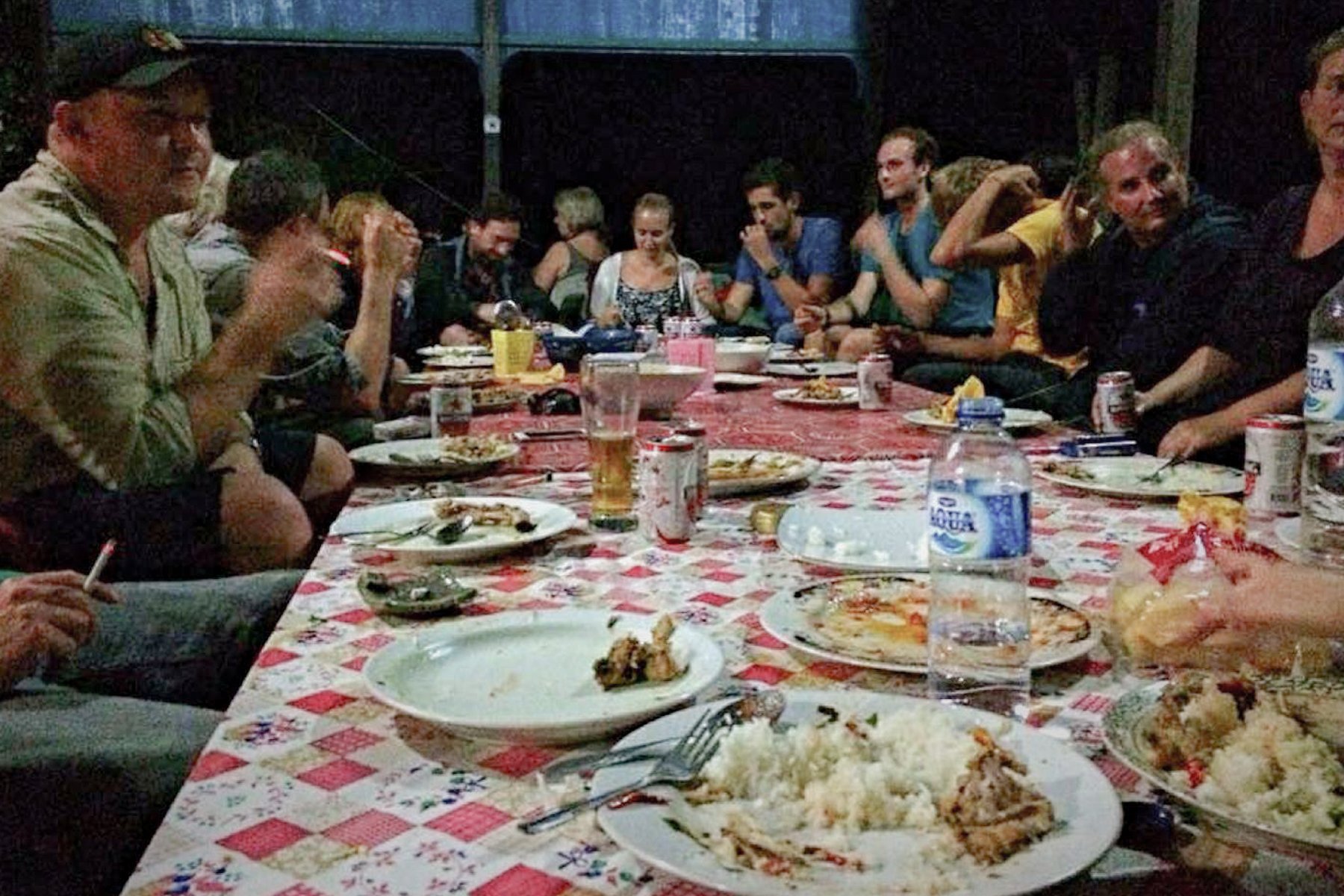
On arrival in Sabang Island, we stayed at Norma’s chalet. We read on Lonely Planet that Norma’s chalet is an institution. This was true. We truly enjoyed our stay there. Norma prepared lovely dinners every night for her guests, as well as visitors from the other chalets. The price of both the chalets by the water and the dinners were reasonable. We did not manage to get a chalet at the edge of the water as it was fully booked. We found out that returning guests book for months at a time. I made a mental note to myself to return in the dry season and book them way in advance!
As it was close to the rainy season in December, the waves were more powerful, which made snorkeling not as good as it usually is. Though we met many divers during our stay, I cannot comment on the quality of the dives as we did not do any ourselves. In the afternoons, heavy rains poured down on the atap roofs of the chalets. Often, we found ourselves having meals and just hanging out at a nearby café.
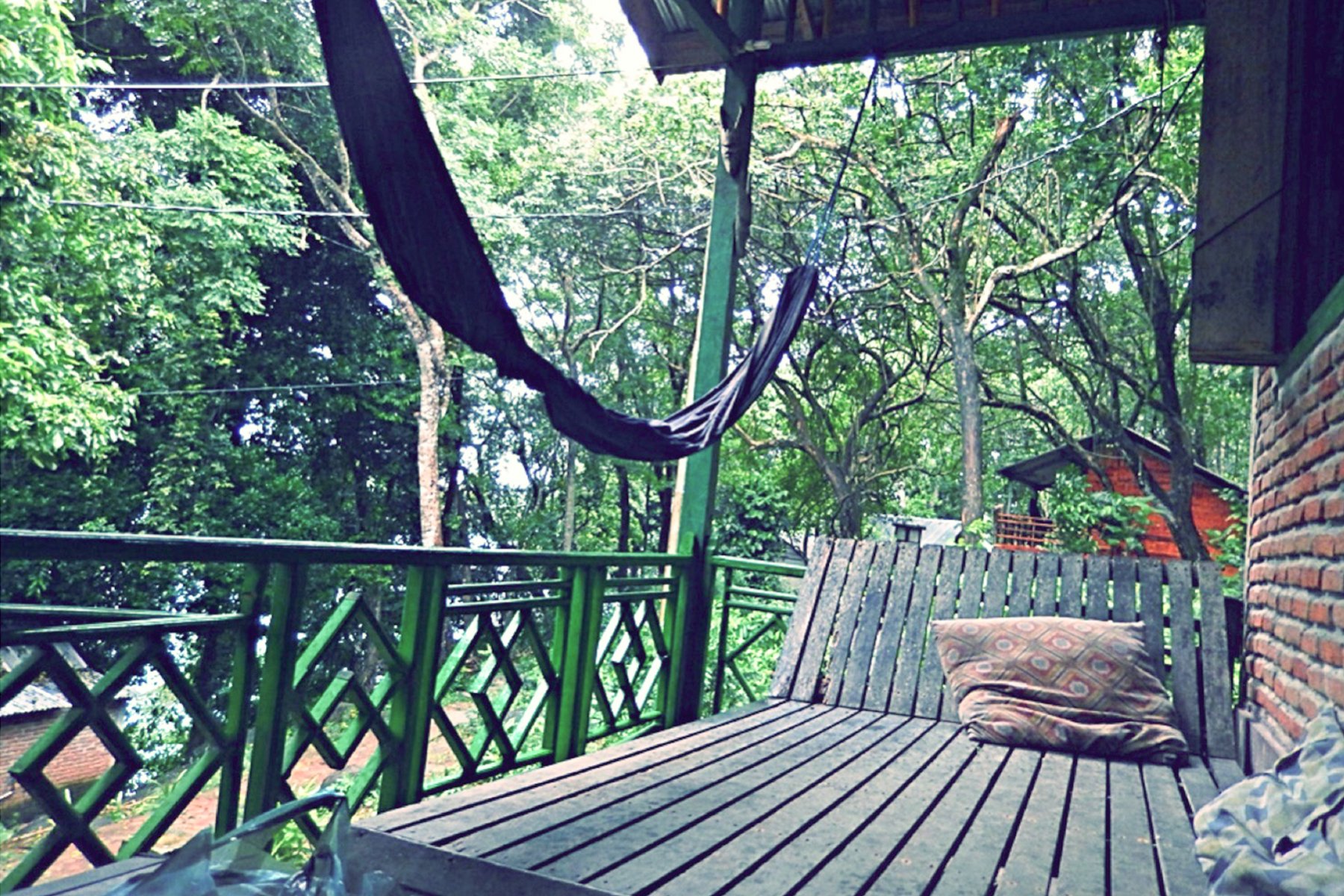
During the thunderstorm, a tree had fallen, blocking the only road to the jetty. This happened on the day of our expected departure, and we were almost stranded on the island. However, the locals managed to clear the tree away. Soon after, we headed back to the mainland.
In Banda Aceh, we checked in at the Hotel S, where I continued to stay for another week. My friend remained for a couple of days. We spent the time visiting the tourist spots that emerged following the tsunami in 2004. The most well known of these are the Tsunami Museum and the boat that got swept over a house.
We did not have trouble finding these places, as every single tuk-tuk driver offered to drive us around and take us on the trail of the tsunami. I could not help but ask them personal questions, such as the effects the tsunami had on their lives. They were more than willing to share their stories.
A lot of them have lost at least one loved one in the tsunami. On record, they were officially missing but presumed dead. A total of 125,000 people perished in the tsunami in Aceh. To date, many bodies have not been identified and may never be. A visit to one of the mass graves in the city broke my heart with the sight of lone figures chanting prayers and crying as they knelt alongside unmarked graves.
Be that as it may, throughout my stay in Banda Aceh and my meetings with the locals, I came to learn of something quite surprising to hear in person. I had read about it while I was doing my research. Despite so much loss, many of the tsunami survivors and local people mentioned that they felt the tsunami was a blessing in disguise. It brought an end to the years of insurgency in the previously unstable Aceh! A couch-surfer turned friend said that the sound of bombs and gunfire could be heard almost daily. It was impossible to leave the house except to head straight to school and back home. Houses were intact, but they were like prisons.
Further questions invoked blunt answers. Yes, the tsunami killed many people, but many people died daily during the insurgency. At least we know that the tsunami is over.
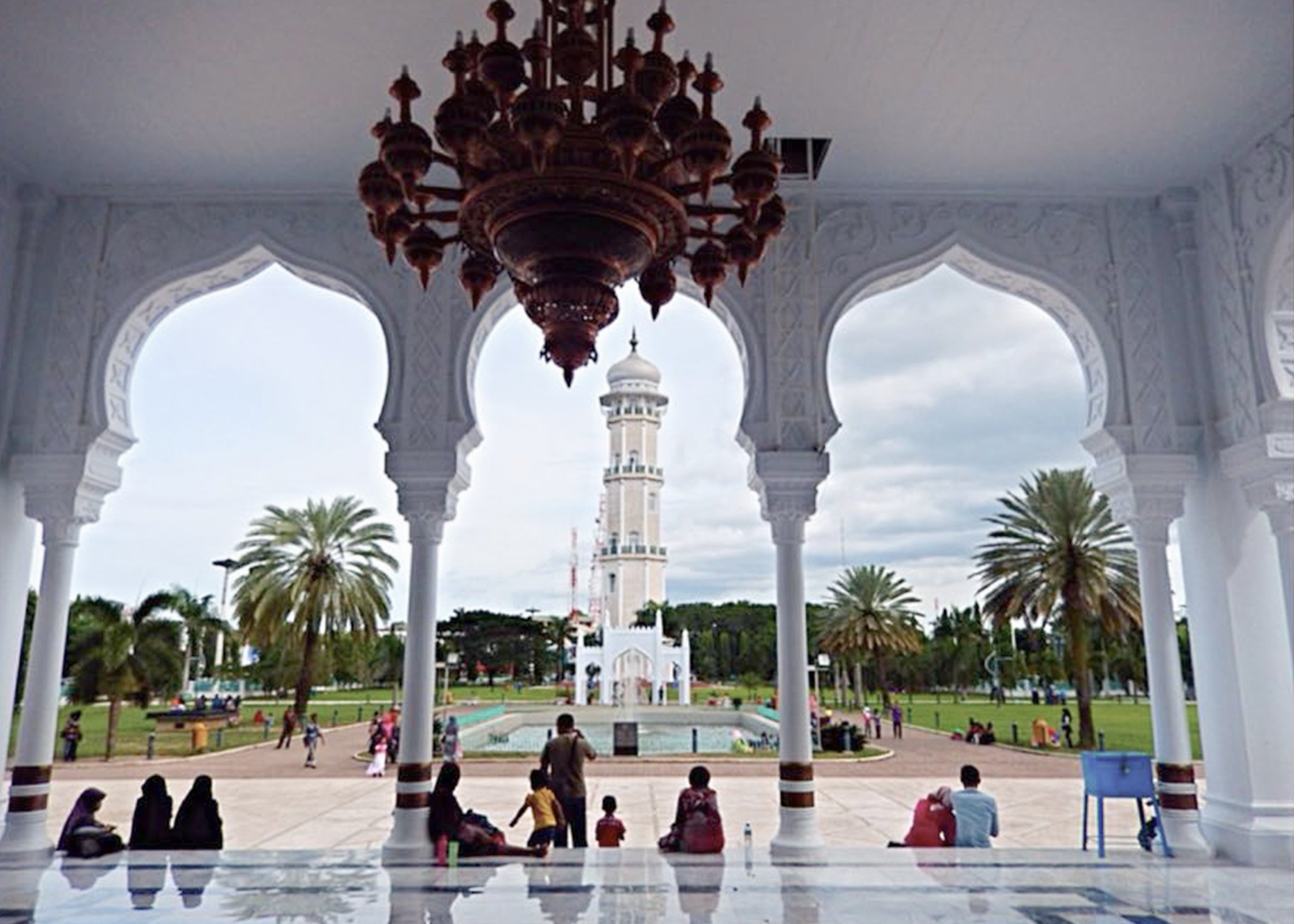
Before leaving for Aceh, I had made contact with a couch-surfer who was working with the Indonesian Red Cross (IRC). In the week leading up to the 10th commemoration of the tsunami, the event organizers had scheduled an educational exhibition. This large-scale event was held in the city.
Here, various booths by non-profit organizations were set up to educate visitors on the reconstruction efforts on the city, as well as to introduce future plans for building a safer Aceh. We agreed to meet up at the booth mended by the IRC.
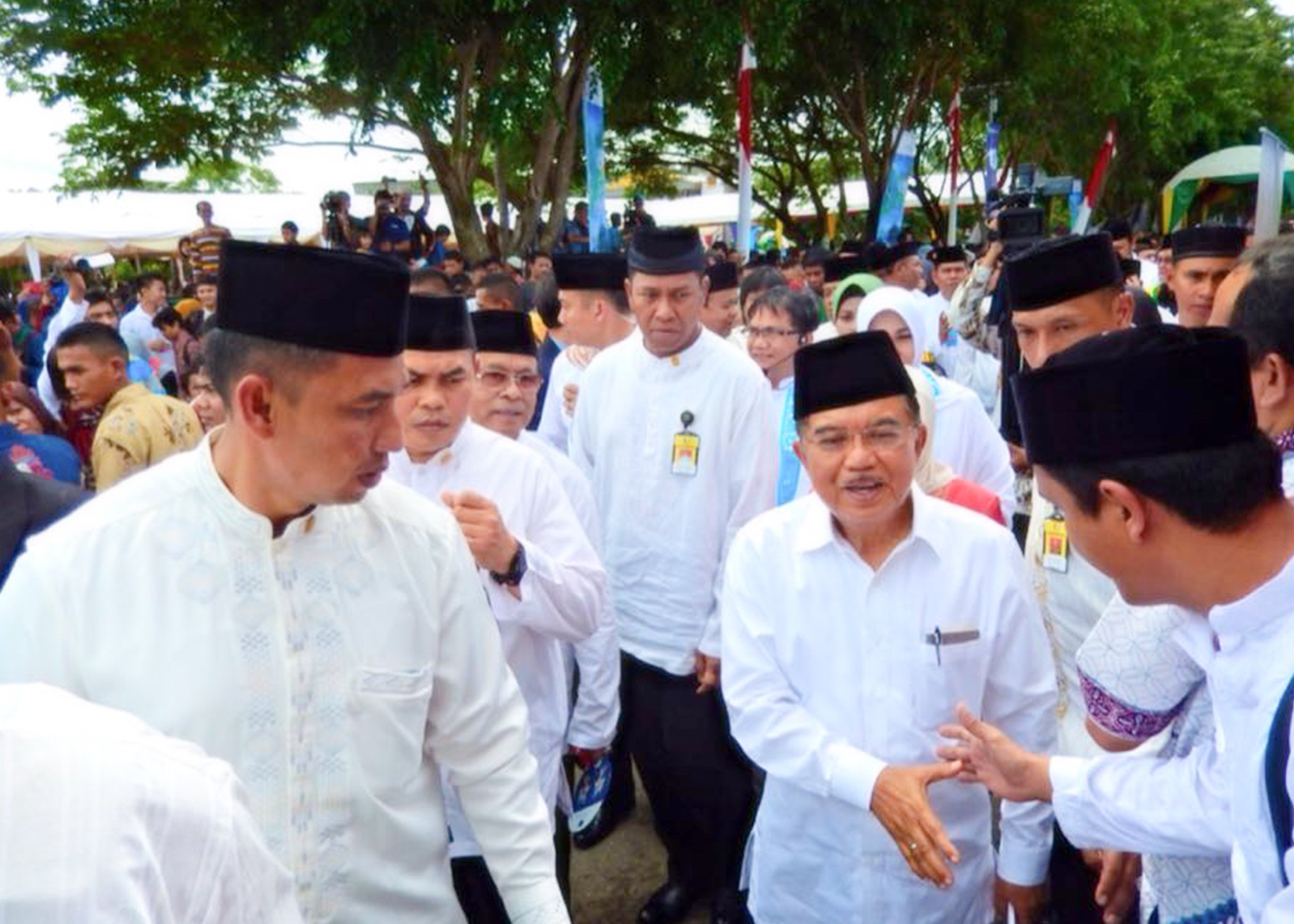
Aisyah was kind, friendly, and exactly as I expected. Her colleagues, who were also friendly and nice, offered me lunch. As Aisyah was busy preparing for the exhibition, I started talking to some of her other visitors. One of them was a Canadian friend of hers that she had met when they volunteered together following the tsunami back in 2004. They had not met for ten years!
This friend of hers, who is now a practicing doctor, quickly proved to be indispensable for the next couple of weeks. I was a naïve architectural post-graduate, carrying out my research and study of the reconstruction efforts in a city foreign to me. He played the role of a highly enthusiastic research assistant going down memory lane as we visited the places that were most affected by the tsunami.
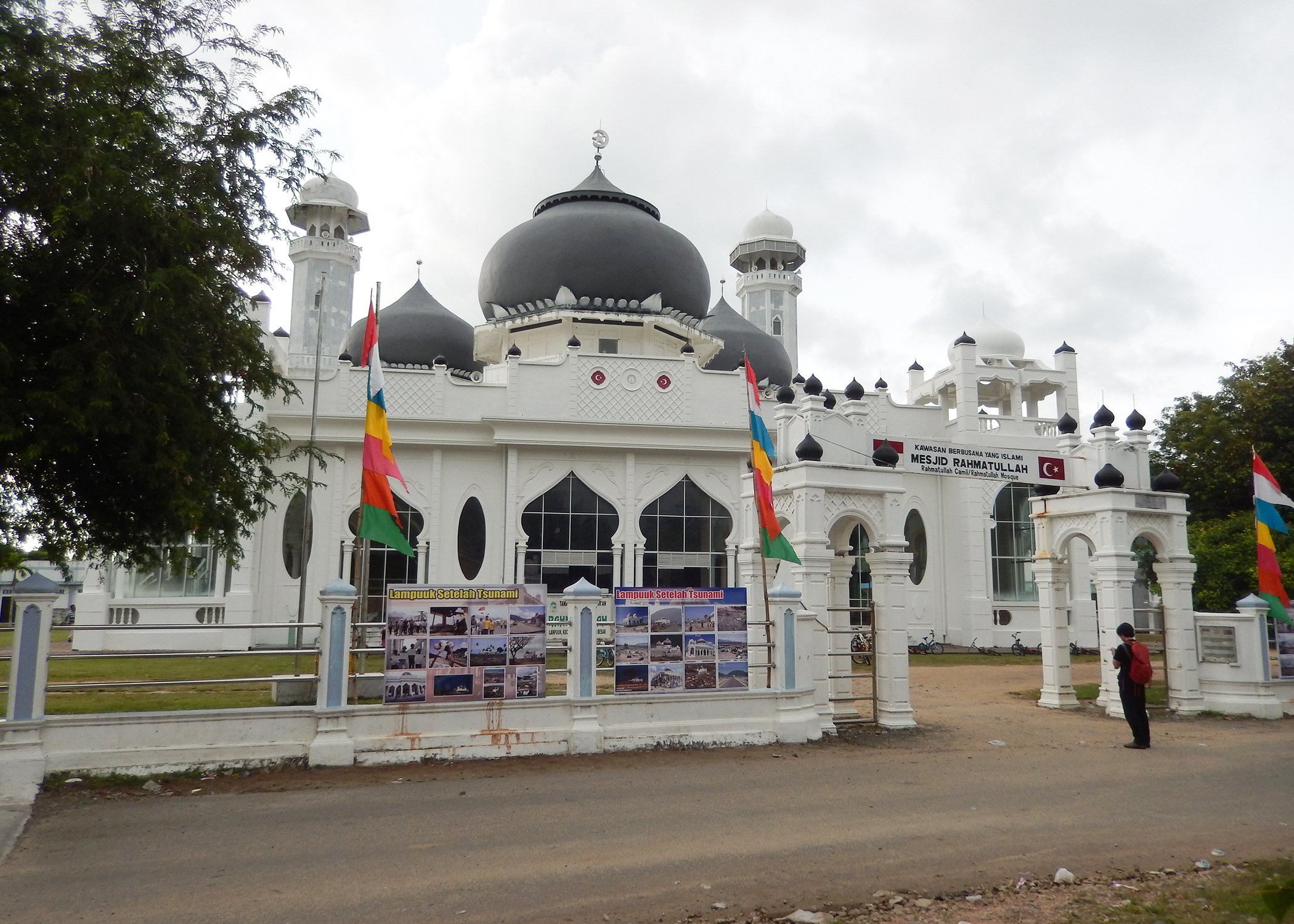
Throughout, the Doc provided me with valuable input and really opened my eyes to the realities of the effects of the disaster. I listened in shock as he relayed the stories from 2004 when he just landed in Banda Aceh, two weeks after the tsunami, as an eager young medical student.
I remember thinking how amusing it was to witness this young doctor recalling memories as if it happened only yesterday. Doc had brought with him photographs, memorabilia, and even Acehnese music that he had collected from way back then. It was as if he was just picking up from where he had left off.
It was Christmas Eve on the day that we met. Doc asked if I had anything planned for Christmas, and I replied, none. I had expected to be in the hotel that night, going through my research plans. He said that he was meeting up with some ex-volunteers who were stationed with various NGOs during the tsunami, and he invited me to join. I accepted.
Soon, I found myself in the home of a generous Acehnese couple who were and continue to work for the NGOs. This couple would, later in the week, show me the traditional Acehnese house that belonged to their mother. It was a beautiful red timber structure situated in a pristine little village known for its preservation of Acehnese houses.
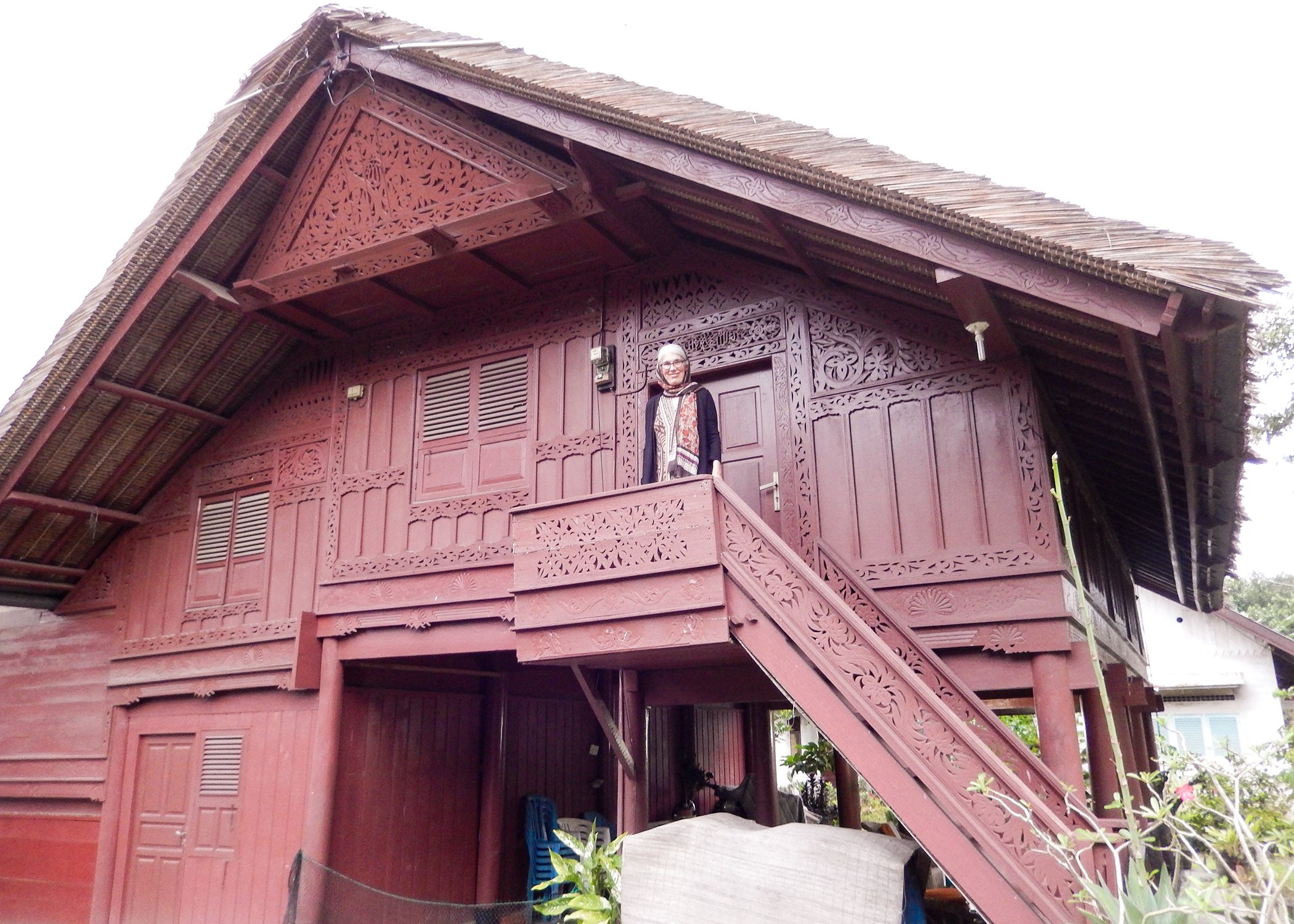
That evening, I met another wonderful American woman in her sixties who had worked with the IT unit to reconnect Aceh to the rest of the world in the tsunami aftermath. This time P had brought along her psychologist husband, with whom I quickly found myself to be deep in conversation.
Later in the evening, more ex-volunteers started to arrive. I was invited to stay for Christmas Eve. We had food, played games, and had serious discussions.
That night, if somebody were to glance in and see this group of multi-nationalities, they would have thought that we were old friends catching up.
On the surface, that was true. But, amidst this group of ex-volunteers, there was I looking in on these people, knowing. I knew that at one point in time, they had decided to drop everything in their lives, to place their needs and comforts below others, and to offer sincere help to the people in despair. I felt so much respect as I listened to their stories.
This was one of my best Christmas yet.
Other than Aisyah, I had also contacted another couch-surfer in Banda Aceh. I asked if he was available to show me around his city and showed me around, he did! Di was the epitome of the spirit on which couch-surfing was built upon. In hindsight, truly understanding and accepting Aceh for what it is would not have been possible without Di. The Doc, Di, and I hung out often. Through him, we met other couch-surfers, and our group of friends, including Aisyah, quickly grew.
On weekends and in between the study, we went to Lampuuk Beach and lingered to watch the sunset. The sunsets on Lampuuk Beach were spectacular. There, I enjoyed filling my tummy with a simple meal of grilled fish, rice, and coconut water. We sat in the open huts where our meals were served.
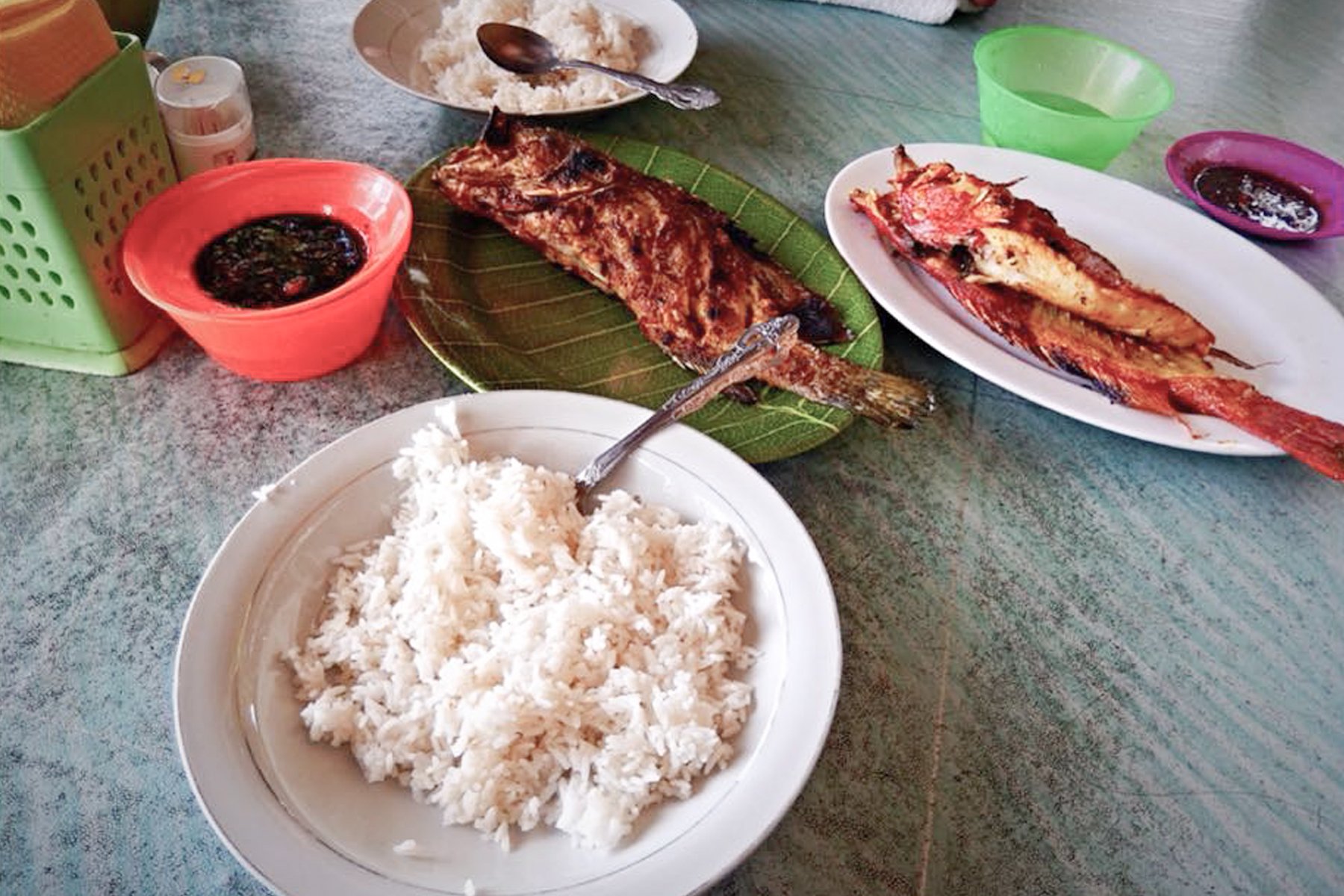
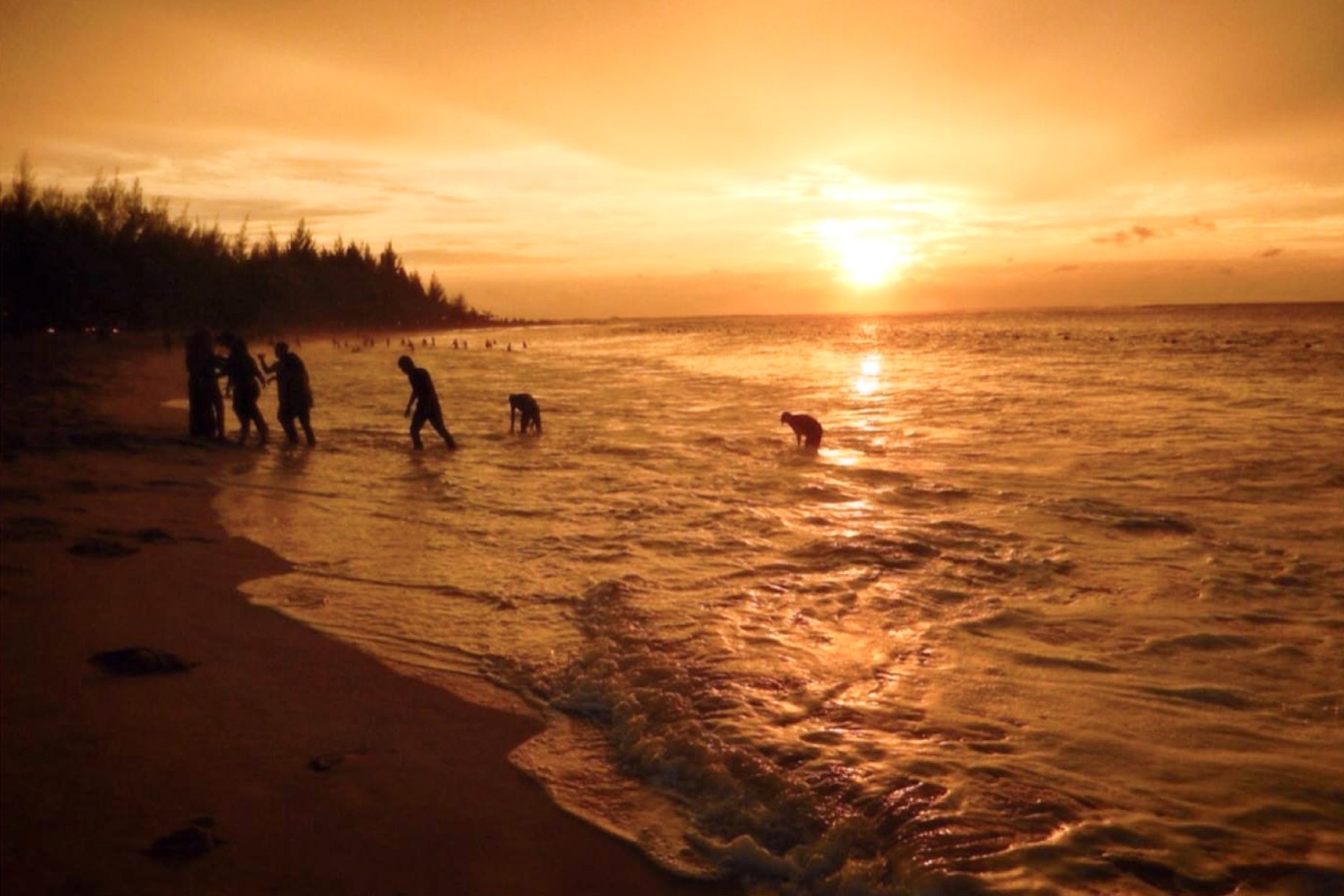
We also swam in a river, picnicked, hung out in coffee shops, and even went karaoke. We found out that Doc was keen on fishing, and I found myself spending the whole of one fine day on a fishing boat, learning the local way of catching fish from a local fisherman.
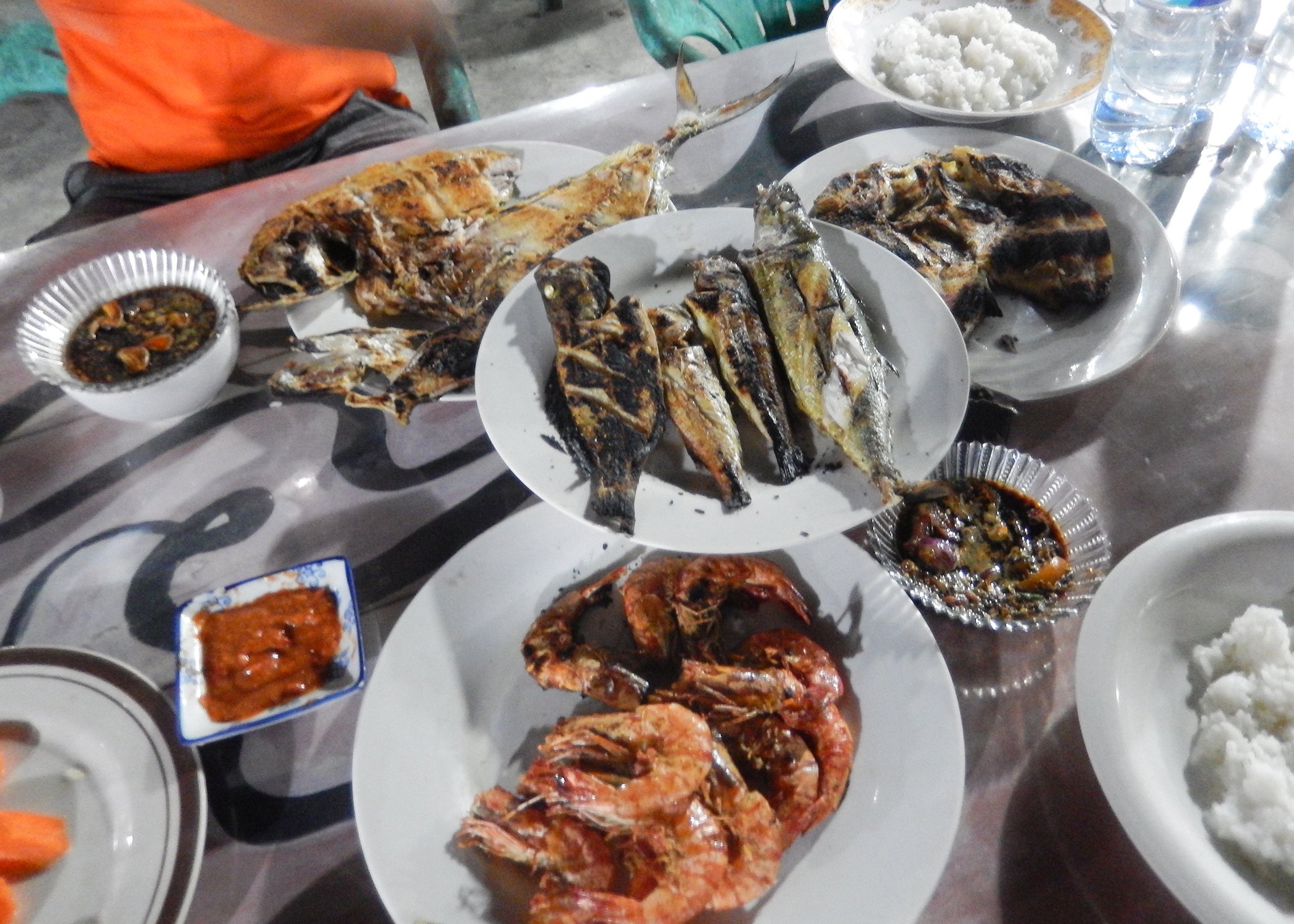
As we spent days working in coffee shops, I was slightly surprised to discover that most times, I was the only female in a coffee shop packed full of people. I learned from Di that in Aceh, it is unusual for women to be hanging out in public.
In my fun times with my new and open-minded friends, I had forgotten that this was still a very conservative country. Aceh is the most Islamic state in Indonesia. Here, women rarely leave the house with uncovered heads. As a sign of respect, I had covered my head for the whole time that I was there.
Within the group, we made friends with a happy-go-lucky woman called Shima, who was a professor at the local Islamic university. She invited the Doc and me to speak to her students about my tsunami research and his volunteering experiences. I found her to be an open-minded and culturally well-educated person who, naturally, wanted her students to be open and accepting of other cultures.
For New Year’s Eve, Shima had invited the group of us to a barbecue at her house, where she lived with her parents, her brother, and his young family. Despite not speaking much English, her family was very kind and welcoming to us. I learned that Shima sometimes opens her home to couch-surfers.
As it was getting late, Shima informed us that we would have to leave her house by 11PM. The local Islamic council had set out a ruling that banned any New Year’s celebrations. I secretly thought myself foolish for expecting fireworks that night.
Doc and I said our thank yous and goodbyes and went back to the hotel, which was close to the city center and very accessible to the places that I wanted to visit.
After dropping us off, Di joined us for a late meal of satay near the hotel. At midnight, Doc, Di, and I quietly wished each other a Happy New Year, and Di left shortly after. Following Doc’s idea, we proceeded up to the rooftop of the hotel to watch the city below us.
A few minutes later, we witnessed a group of men in religious attire riding along on their motorbikes and carrying loudspeakers. Some of them carried banners citing religious quotations banning the celebrations, urging the people sitting in the food stalls to return home.
I left Banda Aceh a few days after, and Doc traveled south to Medan.
About a week after I had arrived back in Scotland, I received disturbing news from the Doc.
Shima, the professor from the local Islamic university, had gotten into hot soup with the local religious authorities for organizing a study trip for her students to visit a local church. She had wanted her students to ask questions and be open to other religions.
This visit caused her to receive serious lash backs from the university. She was suspended from duty. I was saddened to hear that she and her family had also received death threats and had to go into hiding.
I had offered to help in any way that I could, and so did the Doc. But, days after the incident, I was relieved to hear that Shima was being supported by several prominent women organizations and was currently doing well.
I have yet to follow up with her.
I spent years in university studying and listening to stories about Aceh and about how the tsunami wiped out a majority of the city, changing the lives of hundreds of thousands of people in an instant. I spent those years looking in from the outside, meticulously examining what could go wrong in the disaster recovery and reconstruction process.
When I went to Aceh, I arrived there as an overconfident architectural post-graduate who had done a year of research on the subject and was finally able to travel to the site. Aceh, to me, was nothing more than a Syariah-ruled, heavily religious state that once witnessed the worst natural destruction known to us – 250,000 people dead or missing.
This trip allowed me to hear firsthand these stories and the personal struggles of the people who became my friends. It brought me a different meaning to Aceh. Nowadays, when someone mentions Aceh, I no longer think tsunami. Instead, I think of good coffee, good times, good fun, good people, and good friends.
I would return in a heartbeat. You would find us in a karaoke club, singing our hearts out.
For the safety and privacy of my friends, names have been changed, but everything else is accurate. We did sing like no %$^# was given.