Skip to content →

Category: Field Notes

Getting To Know (My) Glasgow

So I know how to make a Scots person happy.

Scot: “Why did you come to Scotland?”

Me: “Well, it was either the UK or Australia. I chose the UK because I wanted to travel around Europe. Then I chose Scotland because I heard that the Scottish are nicer than the English (people).”

Then, I left a beaming Scotsman and went to lunch.

It was the year 2013, I had just moved to Glasgow to further my studies. I had always heard about the rainy days in Scotland and to experience it day in and day out was something different. I have, to be honest, hated the weather. It made me somewhat depressed. It made getting up from the bed and getting out of the house difficult some days. It was cold and grey, and people walked past you on the streets with heads hung low. They rarely made eye contact. It seemed like people were unfriendly, but you really know that they wanted to avoid the rain getting into their eyes.

I never got used to the rain, but I soon fell in love with Glasgow.

Image of a group of people sitting infront of a large beautiful glass building in a park
Glasgow Park in summer // Image taken by Jas

Living in Glasgow

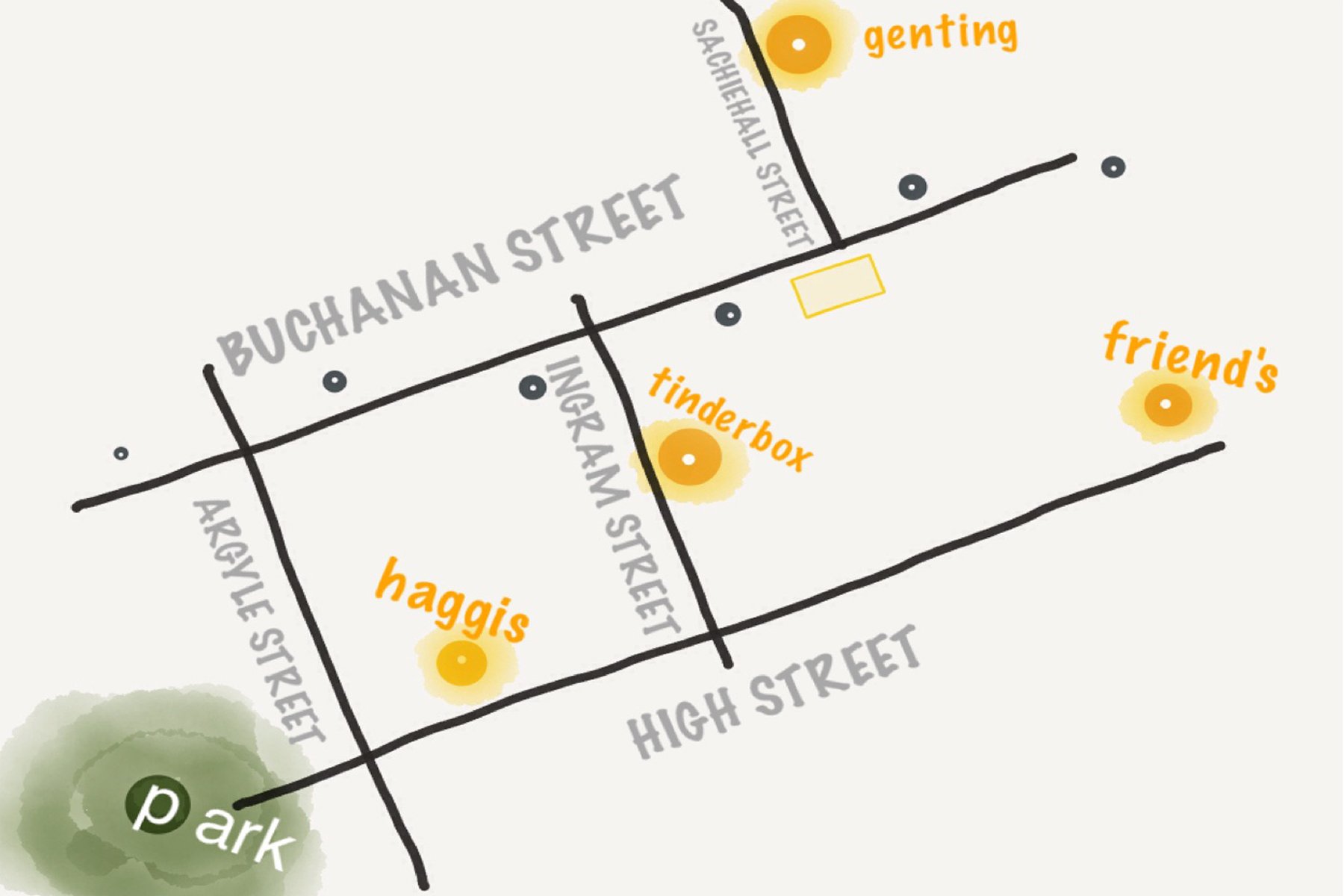
Throughout my stay in Glasgow, I had moved four times to four different apartments, all on the same street – High Street. From there, it was easy to navigate around the city centre. I simply drew five lines on an imaginary board in my head. These five lines became the five streets that bind together to form the rest of my two and ½ years.

I enjoyed my first haggis at a pub located 100 metres down the street. During lunch hour, I had regularly devoured the most authentic Chinese noodle soup in Glasgow, in a tiny restaurant further up. A five-minute walk up Ingram Street brought me to a cafe where I had my daily cup of latte (large) until I bought myself my own espresso machine. I regularly walked to Argyle Street to do some shopping and sometimes, even further until I reached Glasgow Green. On days when the sun came out, I relished at the sight of buskers on Buchanan Street. When I needed a release after project submissions, we went to a karaoke club on Sauchiehall Street and screamed out Eye of the Tiger.

Sketch of some streets
Sketch of the five streets // Jas

Travel tips and costs

I cannot advise on the cost of living in Glasgow, but here are some numbers to help you make a comparison to things that you are familiar with.

I paid £82 a week for student accommodation for a room in a flat for six people. I thought this was affordable at that time, but according to a German friend of mine, it was freaking expensive!

There are few backpacker hostels in Glasgow. Many travellers bypass Glasgow and head to Edinburgh, instead. You may find these hostels on Hostelworld.com, my go-to website for hostel searching. The hostels in Glasgow tend to have terrible reviews. Airbnb is a good alternative and prices start from £40 a night.

If you come to Glasgow solely for travelling and want to know the city, I recommend couch-surfing. The couch-surfing community in Glasgow is quite big, and they do regularly meet up for drinks. Many members are actively hosting, so it should not be too difficult to get a place to stay. When I was living there, I hosted a lot as well and had made a few good friends. I also highly recommend Dumbleflips Free Walking Tours on the couch-surfing website. The walk was enjoyable and fun, but I did recently hear from him that he was cancelling them due to health reasons.

Food-wise, a large latte cost me £3.20. A Daily Specials Pie at a regular pub cost £9. At Weatherspoons, one of my favourite pub franchises that offers cheaper meals, a Daily Deal Meal with a drink cost roughly £6 – £8. In Glasgow, Asian sit-in restaurants are expensive. A bowl of noodle soup generally cost £8 – £11, however, the hybrid Asian fusion ones that I dislike, are even more costly but less satisfying. I fell in love with a small and cheap Indian take-out restaurant that is worth the visit if you miss Indian food.

The subway that runs in the city centre cost £4 for an All-Day Ticket and £3.20 for a single – journey. It is very convenient, but it gets pricey after a couple of weeks. You may, instead, save on the cost by taking the bus for as cheap as £1 one – way, or by walking. I enjoyed walking in Glasgow despite the constant drizzle. I believe that is the best way to know a city.

One of my favourite things about Scotland? – The free-entry to museums. I spent many afternoons at Kelvingrove Art Gallery and Museum, getting lost in the large architecture building. The museum is situated within the compounds of the Kelvingrove Park, where I sat alone on benches watching people go by. In the summers, the park fills up with people as many outdoor events are hosted there.

Glasgow is the birthplace of Mackintosh, the Scottish architect, designer and artist whose masterpiece was the Glasgow School of Art (GSA). The Mackintosh is known for its influence of Scottish baronial architecture, art nouveau ironwork motifs, and attention to details. When in Glasgow, do check out the legacy of Charles Mackintosh. The GSA organizes architectural walking tours that cost £19 for a ticket.

Each September, Glasgow hosts the Glasgow Doors Open Days Festival. Annually, the public is given access to over 100 historic buildings in the city, with the mission to broaden awareness of a rich built & cultural heritage.

Finally, we arrive at my favourite topic-music. Glasgow, as you probably already heard, is famous for its live music scene. New bands get discovered here regularly. I just found out that the band, Texas started in Glasgow. I used to listen to them when I was young and when I get that feeling. Pubs have regular open mic nights and play hosts to live bands every other weekend. If pubs are not really your style, head over to Buchanan Street in the summer to watch the buskers sprout like mushrooms after the rain. I love it and miss it so much!

Districts and suburbs

City centre

George Square is the heart of the city. Toward the south and west, the shopping districts of my five lines (refer above) are Argyle Street, Buchanan Street and Sauchiehall Street. As it is with cities, the shopping malls, restaurants and cultural venue reside around these areas. Go here for shopping, souvenirs, food, people-watching, buskers and to soak in the life of the city.

Merchant City

Merchant city was named after the wealthy city merchants who used to live here in the 18th and 19th centuries. It is the centre of the growing cultural quarter of Glasgow, which houses art galleries, workshops, art studios and production spaces. Here in Trongate lies the oldest surviving music hall in the world, the Britannia Panopticon. Go here for art, cool cafes and the quirky but highly recommended shows at the Sharmanka Kinetic Theater. I did not understand the show, but I liked it!

West End

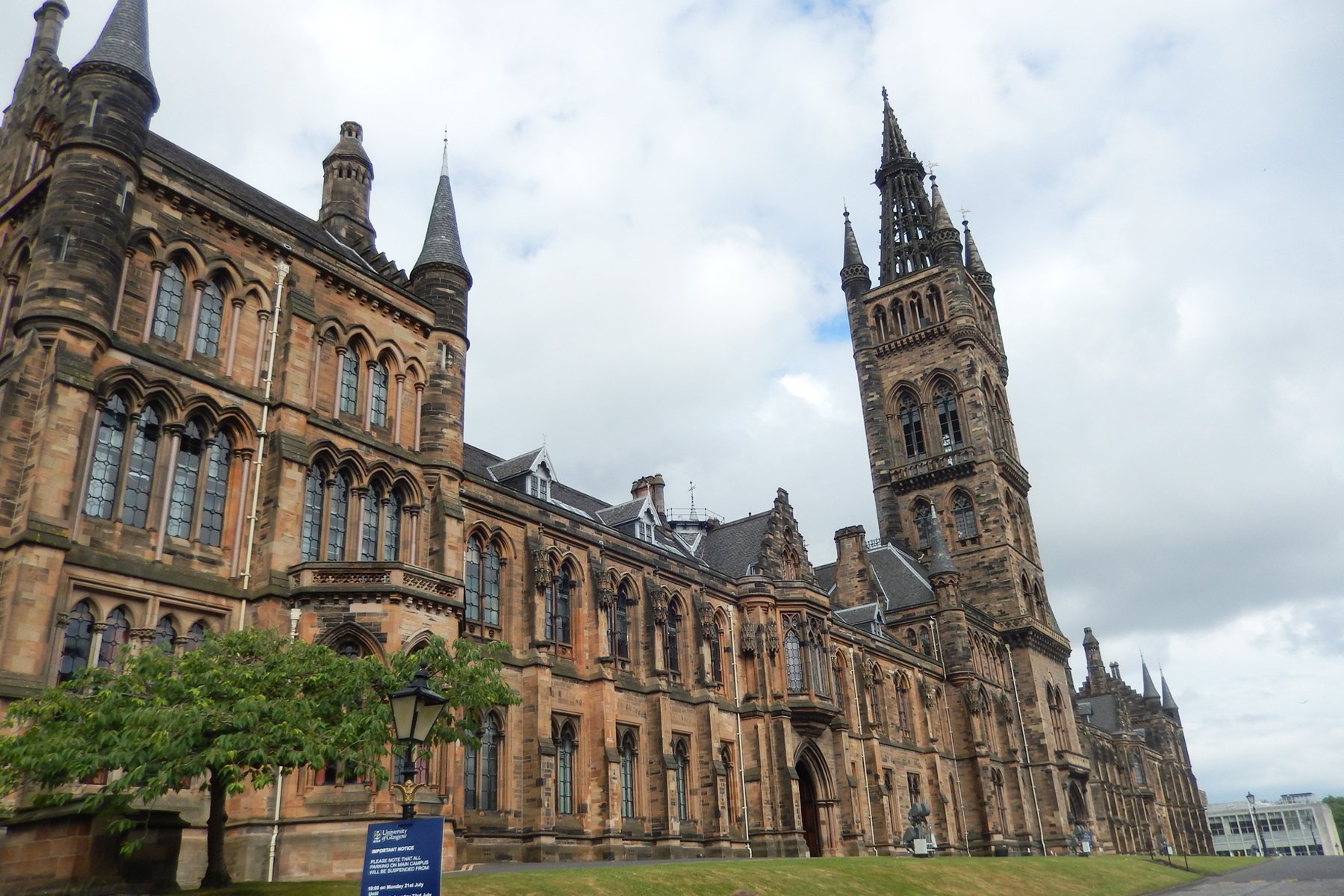
The West End is a bohemian district famous for its cafés, tearooms, boutiques, restaurants, thrift shops, and second-hand bookstores. It houses the Kelvingrove Art Gallery and Park, the Botanic Gardens, and the University of Glasgow. Byres Road is especially popular with tourists. Here, hipster-style cafés sprout up every now and then. Go here for second-hand shopping, bohemian teashops, quirky cafés, museums and parks.

East End

East End is home to the famous Glasgow Barrowland Market, ‘The Barras’, Glasgow Green, and the Glasgow Necropolis. This area is the least explored by tourists. Go here for the weekend market, get lost in the large park and wander into the cemetery. Be careful here as I have heard of people being robbed in the neighbourhood.

South Side

The south side is predominantly a residential area, but houses among others, Mackintosh Scotland Street School Museum, the House for An Art Lover, the Burrell Collection, and the Glasgow Science Centre. Go here for the many public parks, museums, and the National Football Stadium, Hampden Park, which hosted the Commonwealth Games in 2014.

Staying safe in Glasgow

Some neighbourhoods in Glasgow city tend to be sketchier than others. In my opinion, reading up on the crime statistics before you travel is not one way of preparing for a trip. Nonetheless, it does not hurt to know what you should and should not do in Glasgow, as well as which places to avoid. Unlike Barcelona, where crime tends to favour toward pickpocketing, in the city of Glasgow civilians get rob at knifepoint. This was only a story to me until it happened to a close friend of mine. The robber held a knife to her throat and told her to give up all her valuables. Crime such as these do not happen everywhere, and it is generally safe in the city centre and in tourist areas where there are more people around.

As a rule of thumb, the further east you go, the more careful you have to be, especially in quieter areas. There also tend to be sketchy figures lurking around the Glasgow train station. I never felt comfortable walking there at nights, but I try to avoid them altogether.

Highlights of (my) life in Glasgow

1 Kelvingrove Art Gallery & Museum and Kelvingrove Park

Getting lost in the museum on rainy afternoons, having coffee in the café while watching the organ recital, strolling through the park people-watching, and having picnics there in summer. Free – entry.

Image of the outside of a large beautiful sandstone building
Kelvingrove Art Gallery & Museum in summer // Image taken by Jas

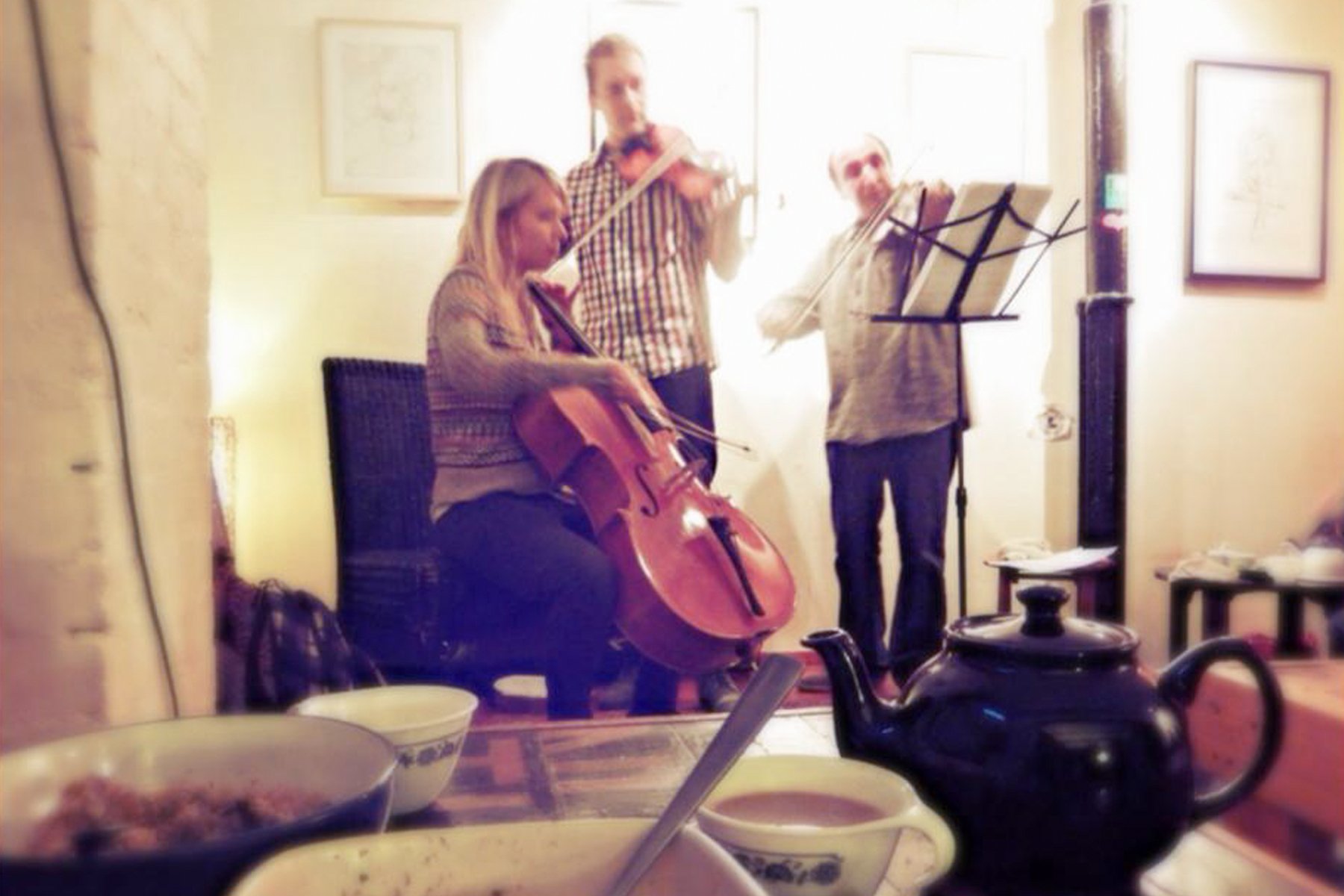
2 Favourite tea shop in Glasgow - Tchai Ovna

One day, I found a little tea shop two streets away from the Kelvingrove Art Gallery. They offer a menu of teas from all over the world, as well as serve vegetarian/vegan dishes. They also provide shisha, which must be smoked outdoors. Some evenings, they host live acoustic music and poetry readings.

Image of three people playing the cello, guitar and violin in a small cafe
An evening performance at Tchai Ovna // Image taken by Jas

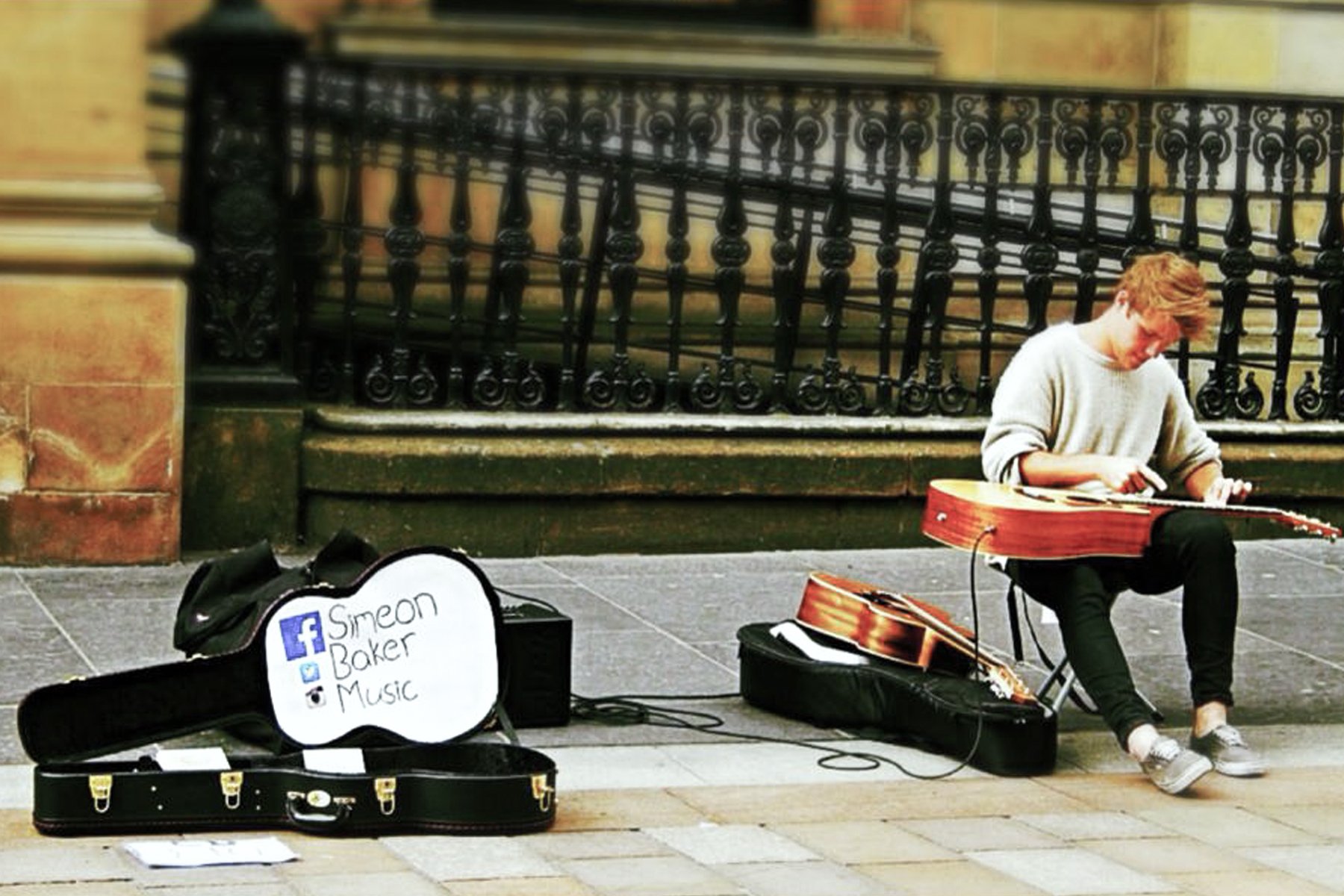
3 Buskers on Buchanan Street

Rain or shine, buskers are a regular sight on Buchanan Street. In the summer, they swell in numbers. For every 100 metres, you will be spoilt for choice. Listen to all of them.

Simeon Baker performing on Buchanan Street // Image taken by Jas

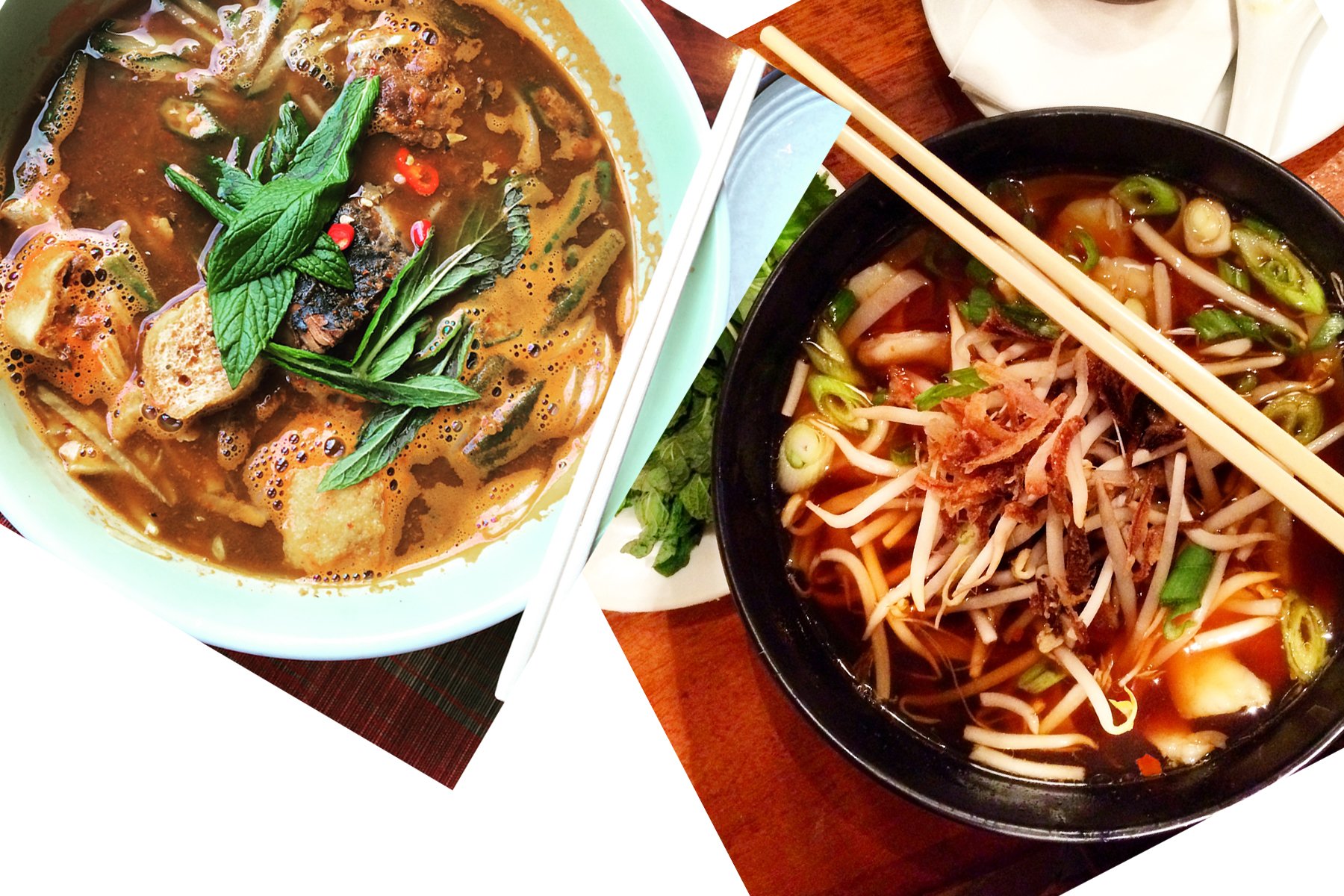
4 Malaysian/Asian Food

Yes, they are expensive but still cheaper than cooking (if you only do it once or twice). The last time I dined at Banana Leaf off Sauchiehall Street, they had just undergone an upscale revamp. I think the food is delicious and somewhat authentic.

Image of two bowls of different types of noodle soup
I really like soup noodles, what can I say? // Image taken by Jas and Z

5 Pub food and haggis

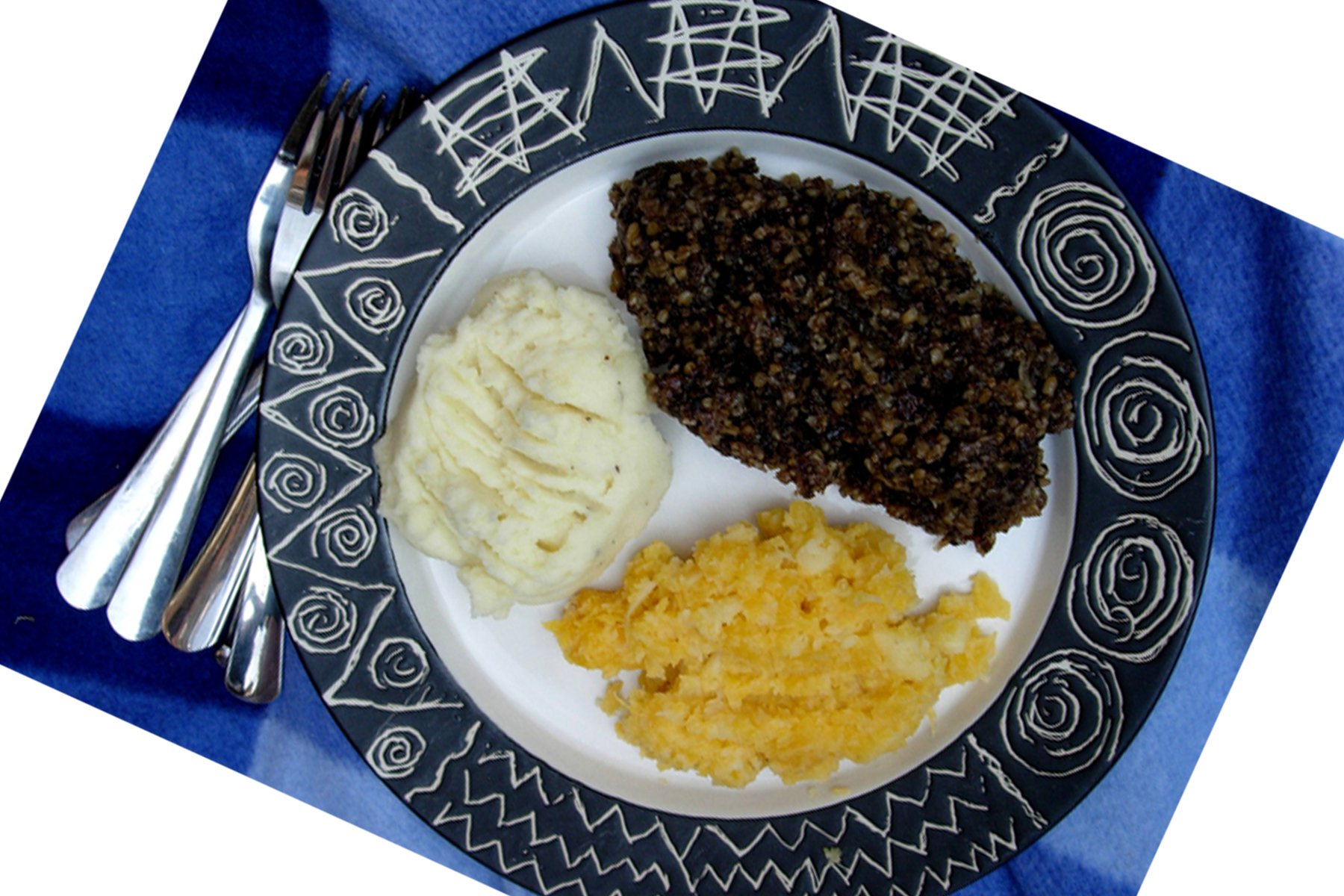
Haggis, that weird dish that I thought I would have hated. I fell in love at first bite. Usually served with turnips and mashed potatoes – hence, Haggis, Neeps and Tatties. If you only had one chance to try them, I would recommend going to the authentic pubs. Here is a good one.

Image of a plate of haggis, neeps and tatties
It is tastier than it looks // Image taken from the web

6 Breakfast at the cafes in Merchant City

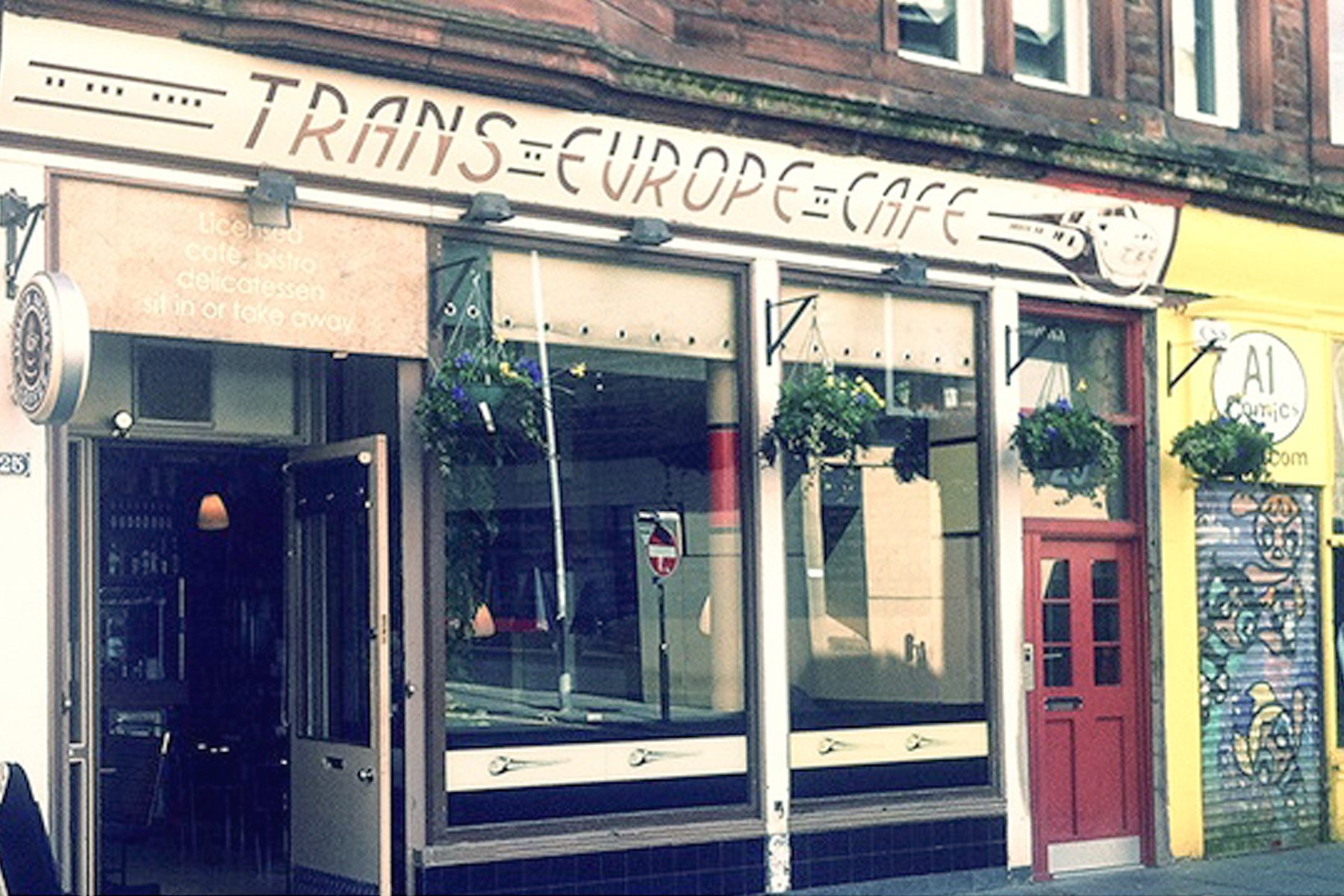
My favourites are the Trans-Europe cafe and Café Gandolfi. Café Gandolfi is more costly, and the serving sizes are smaller. Both places serve lovely coffees, great Scottish All-Day Breakfasts and great warm ambience.

Image of a cafe from outside
Trans-Europe Cafe in Merchant City // Image from the website

7 Favourite pub/bar for music and drinks

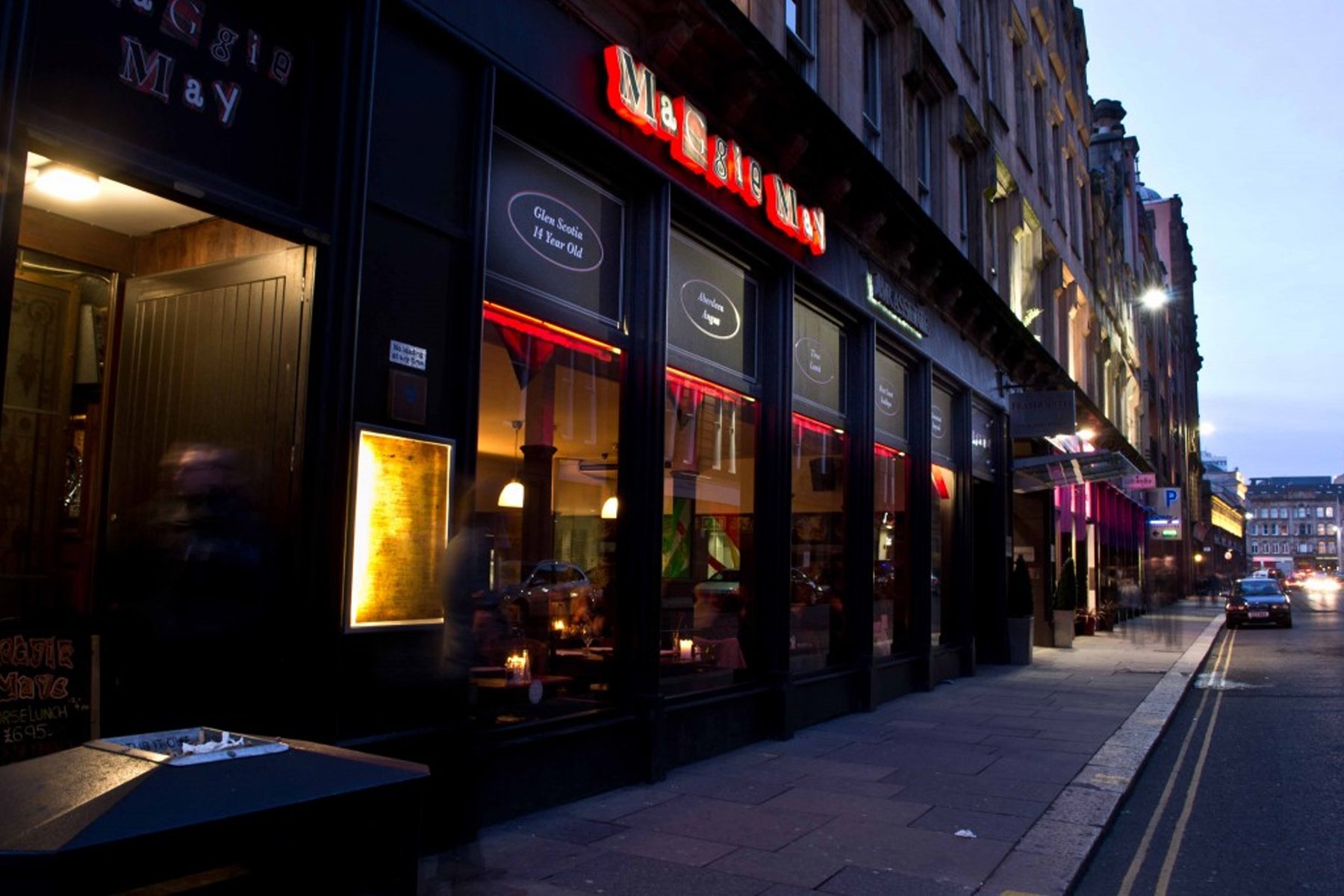
Maggie Mays on Argyle Street plays really loud but very cool songs. They also have delicious cocktails and a dance floor in the basement.

Image of the outside of a pub
Maggie Mays in Glasgow // Image taken from the web

8 Favourite Middle Eastern restaurant

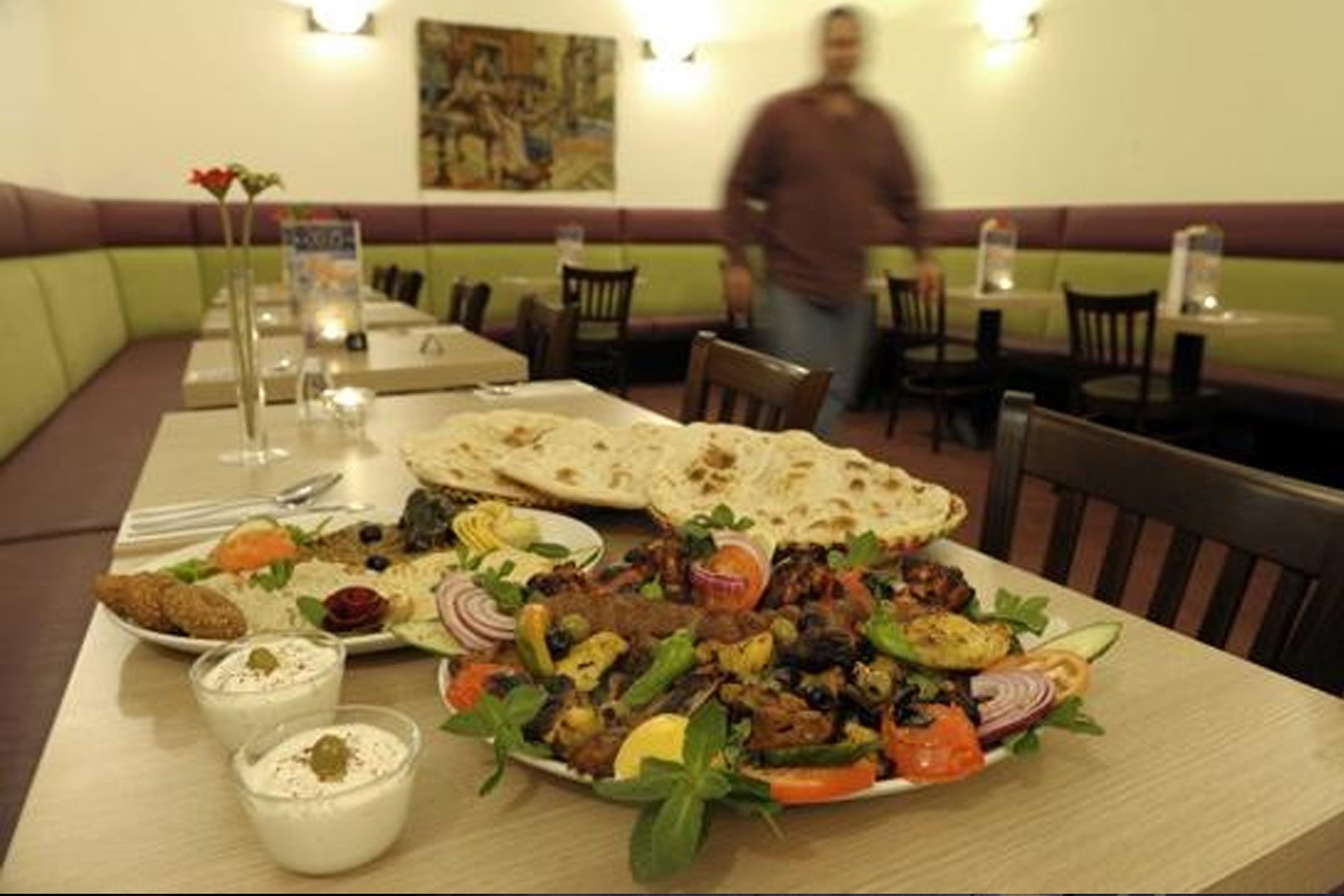
Babylon. This joint sits right across the river from High Street. I still dream of the succulent kebabs and warm rice with butter. They offer huge portions with reasonable prices.

Image of a large plate of kebabs on a table
Babylon Cafe in Glasgow // Image taken from the web

9 Cheapest but most delicious Indian take-out

Banana Leaf behind Kelvingrove Art Gallery. Not to be confused with the Malaysian restaurant on Sauchiehall Street. The food is divine and most importantly, so cheap. The dine-in ambience is non-existent as they cater to take-outs. Do not let this stop you from entering, though. It is the best!

Image of a hand above some plates of Indian Cuisine
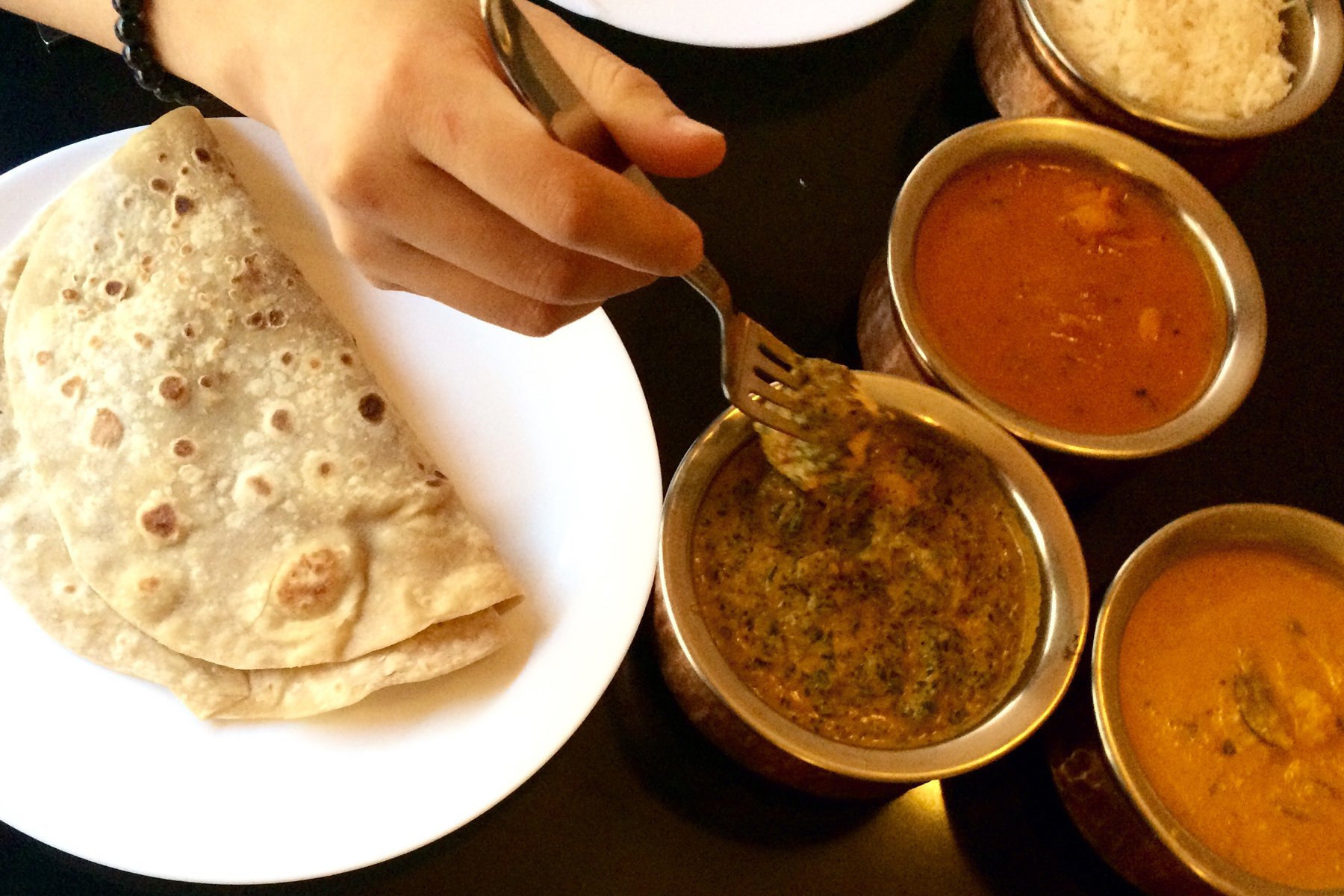
A feast of Chapatis, Palak Paneer, Butter Chicken // Image taken by Z

10 Doors Open Day in September

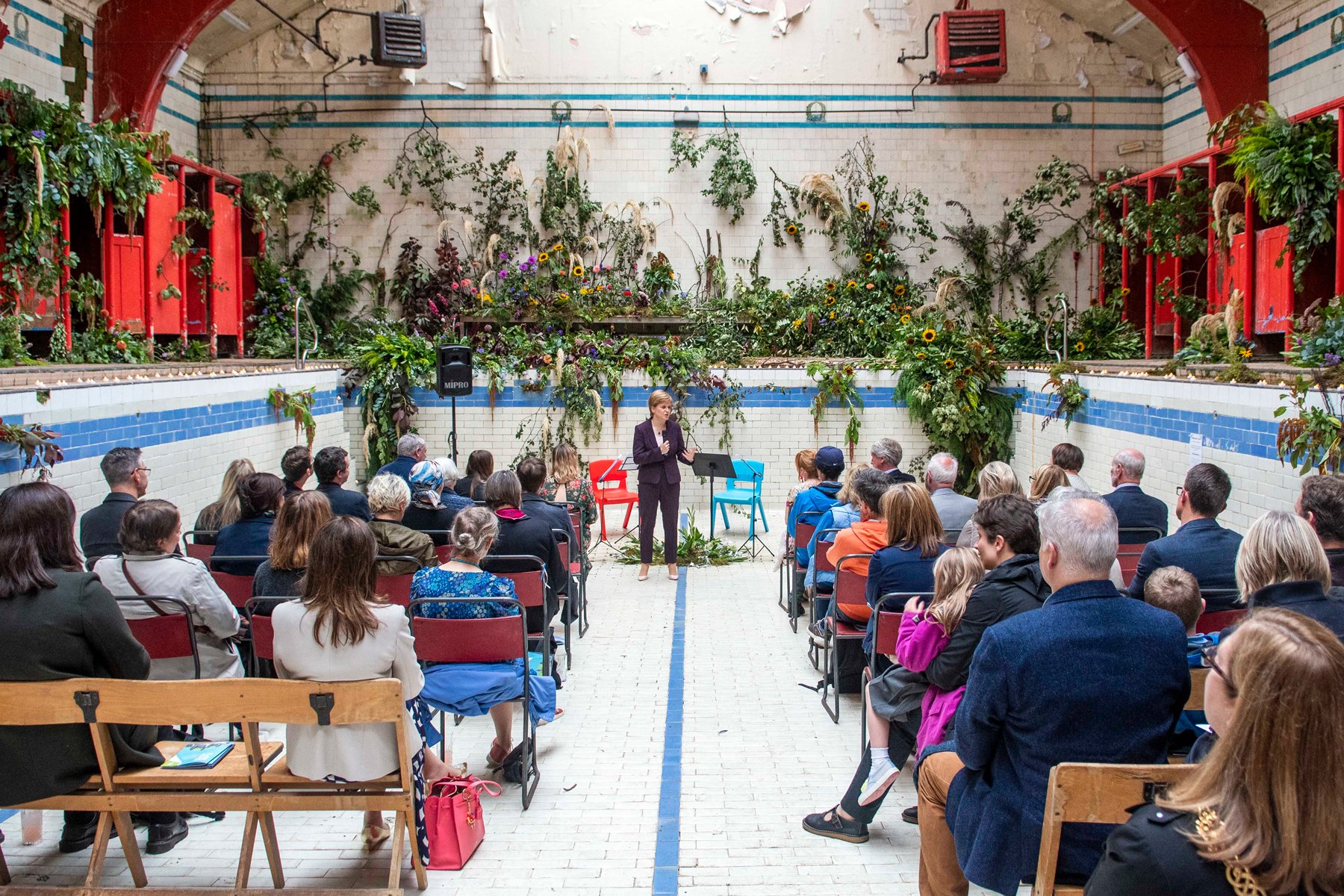
If you are ever in Glasgow in September, do not miss the chance to explore the city chambers or the GSA or attend talks and exhibitions on the heritage of the city. It only happens once a year!

Image of a woman speaking to a group of people sitting down inside an empty run down swimming pool surrounded by green plants
2019 Launch at the Glasgow Govanhill Baths // Image taken from the web

11 Karaoke nights!

Not so popular in Glasgow and probably not something you might want to do if you are travelling through. However, I have found karaoke to be one of the best ice-breaking activities to do with fellow hostel mates. This is especially true if neither one of you wants to go clubbing or drinking. I have a story where I miraculously found myself a karaoke-gang in every hostel and city that I visited when I travelled through Eastern Europe!

Image of an empty karaoke room
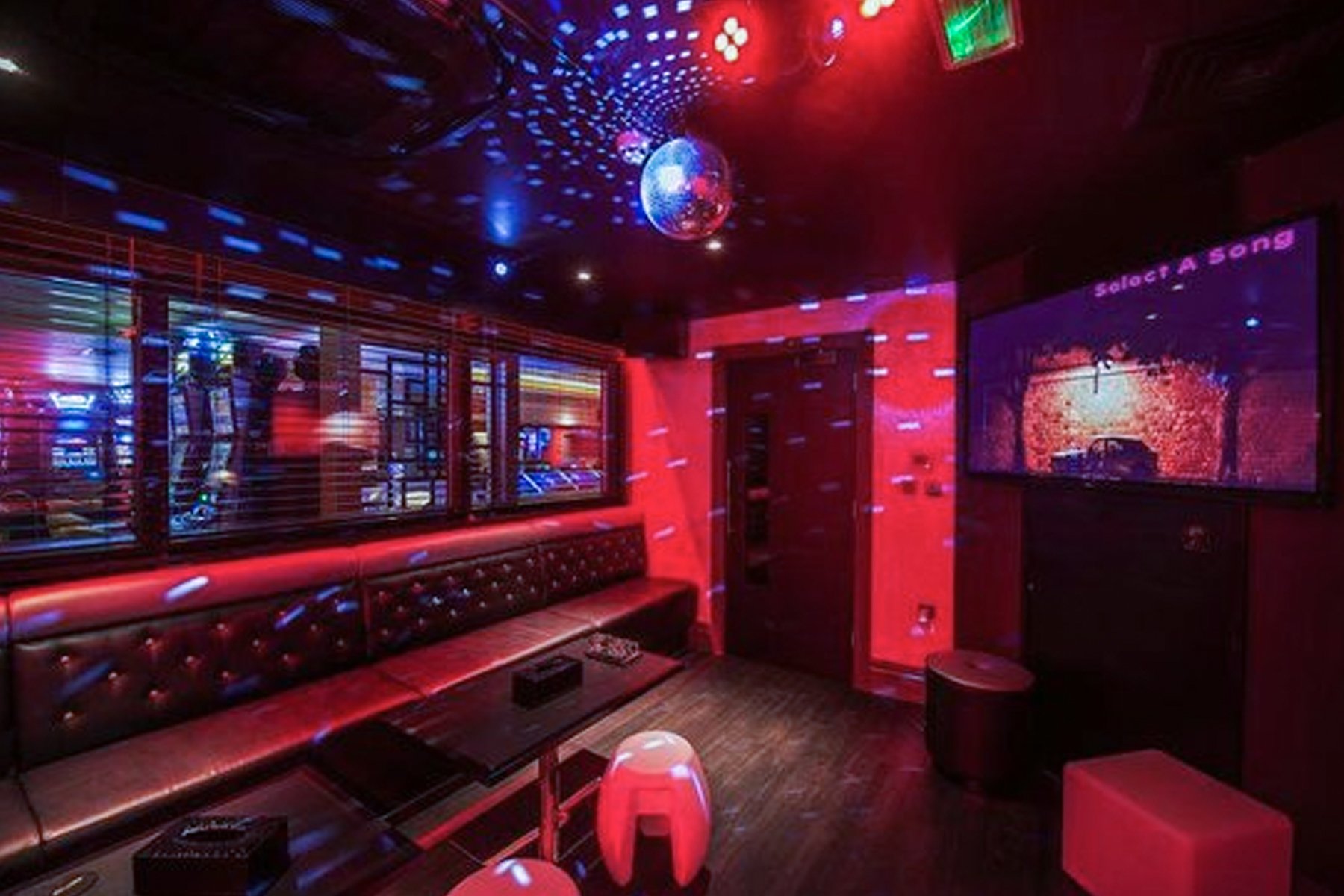
Karaoke Room at Genting Casino in Glasgow // Image taken from the web

12 Glasgow Holi One

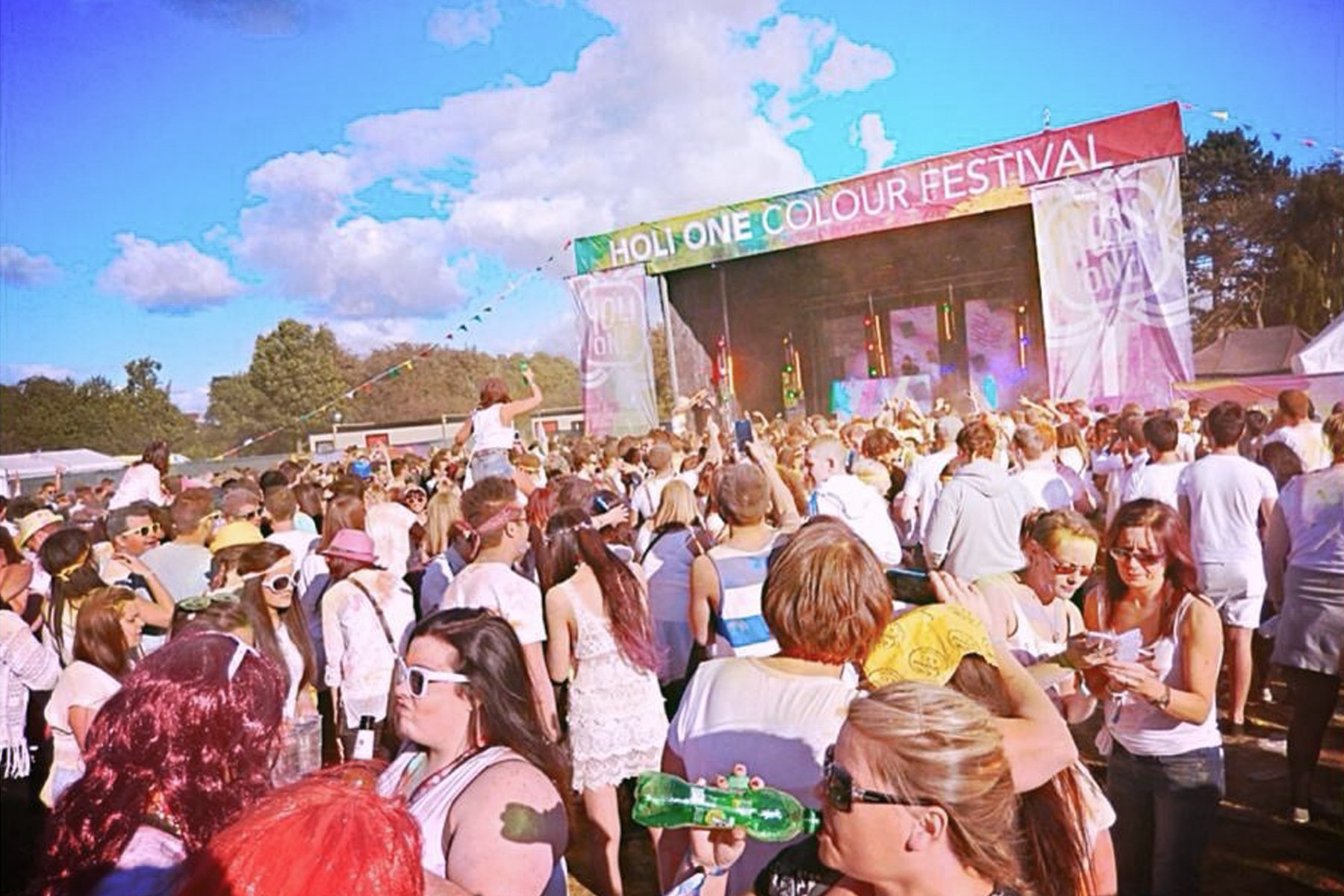
The Holi One that became famous in other cities did find its way to Glasgow one drizzly day in summer. I went to one, it was not great, but it seemed like this may be the closest one can get to the original Holi festival in India – in Glasgow.

Image of a group of people surrounded by colourful powder in front of a colourful stage that has a banner that says, "Holi One Colour Festival"
Glasgow Holi One Festival 2014 // Image taken by Jas

13 The Commonwealth Games 14'

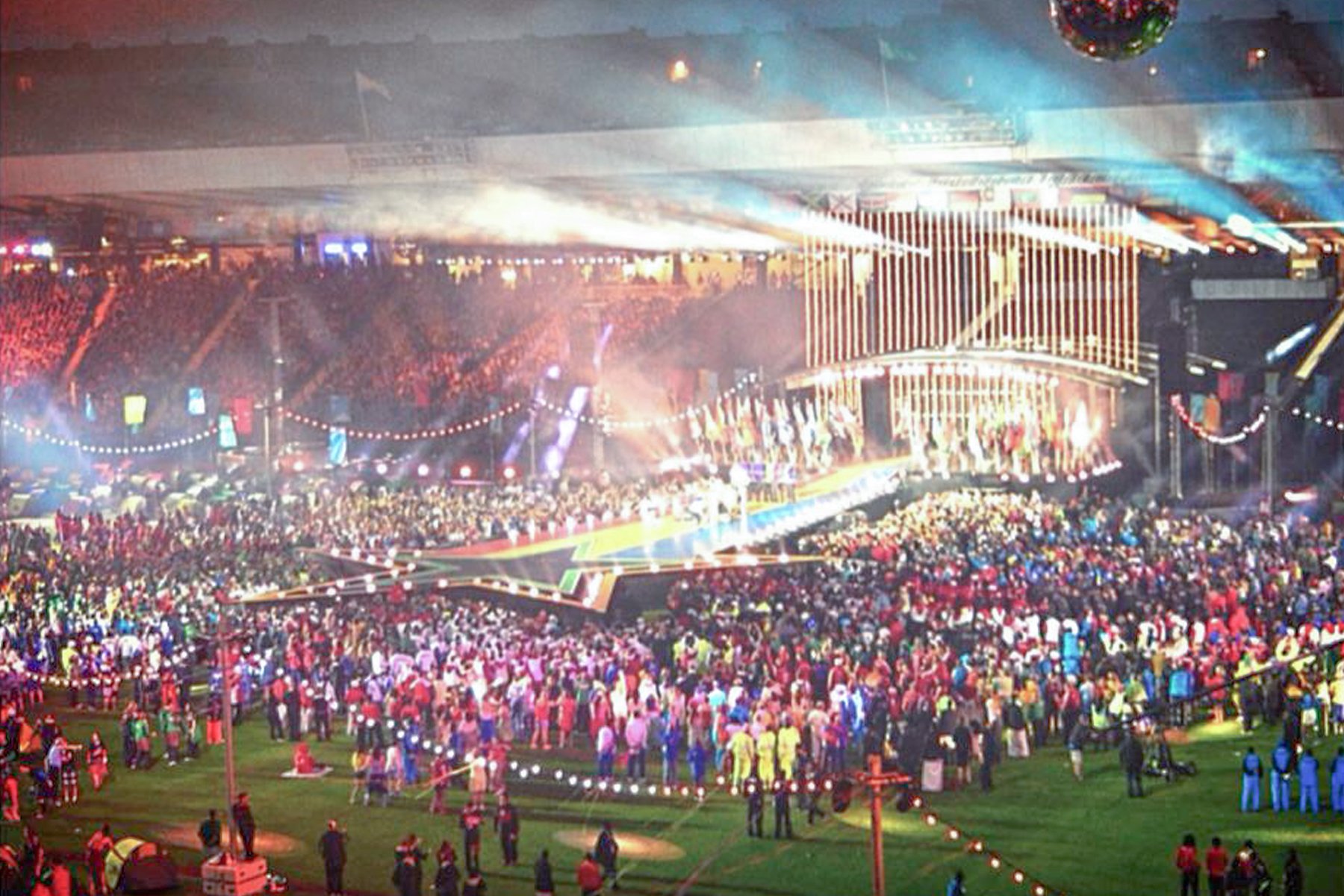
As the excitement grew in the city over preparations for the Games, I wanted to be a part of it, so I applied for a part-time shift that had me rotating between the different venues. Some days, I served food to the volunteers and armed forces. On other days, I flipped burgers at the Hampden Stadium, where the Closing Ceremony took place. That night, I served canapés to the VIPs in the private rooms. I have to admit, I knew nothing about who these people were. Later in the evening, I was aghast when I found out that I had been trying to persuade the President of Kenya to ”absolutely HAVE to try these Haggis Bon Bons!”

Disclaimer: I had no training whatsoever in the hospitality or service industry. My sister, who studied Hospitality in France, later told me kindly, “You’re supposed to shut your damn mouth when serving canapés!”

Image taken from far of a large crowd of people and athletes gathered next to a large stage with colourful lights and performances
Closing Night Glasgow Commonwealth Games 2014 // Image taken by Jas

(My) Other Highlights Outside of Glasgow

1 Driving and camping through Isle of Skye, Lewis and Harris

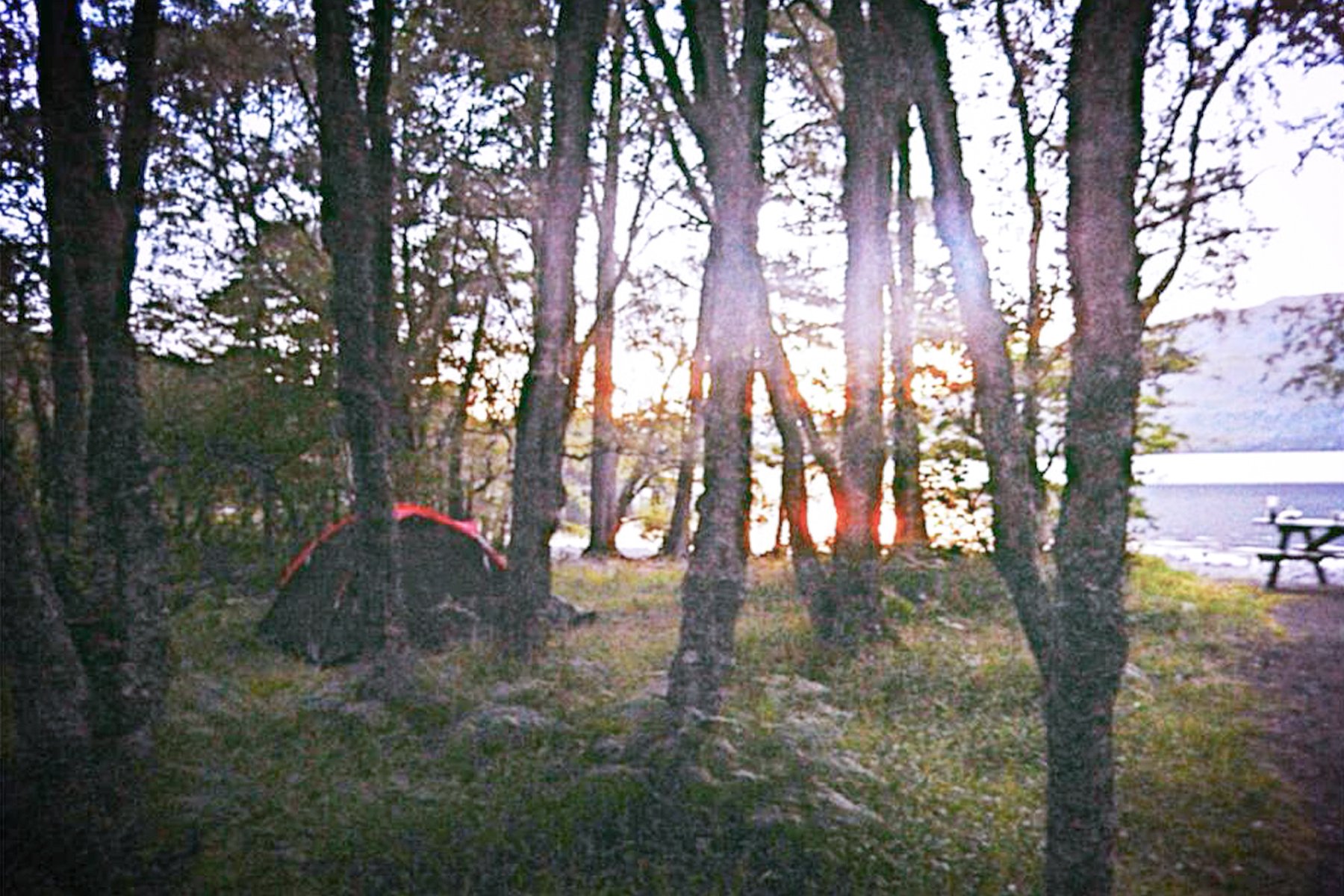
Breathtaking views! Word of advice. We forgot repellent when we went camping in August. These parts are notorious for the midges. We ended up reading in the tent, instead of playing the guitar out in nature like we had intended to.

Image of a tent in between trees next to a lake with a table beside it
Campsite by the lake, August 2014 // Image taken by Jas

2 Climbing Ben Lomond in the worst weather possible

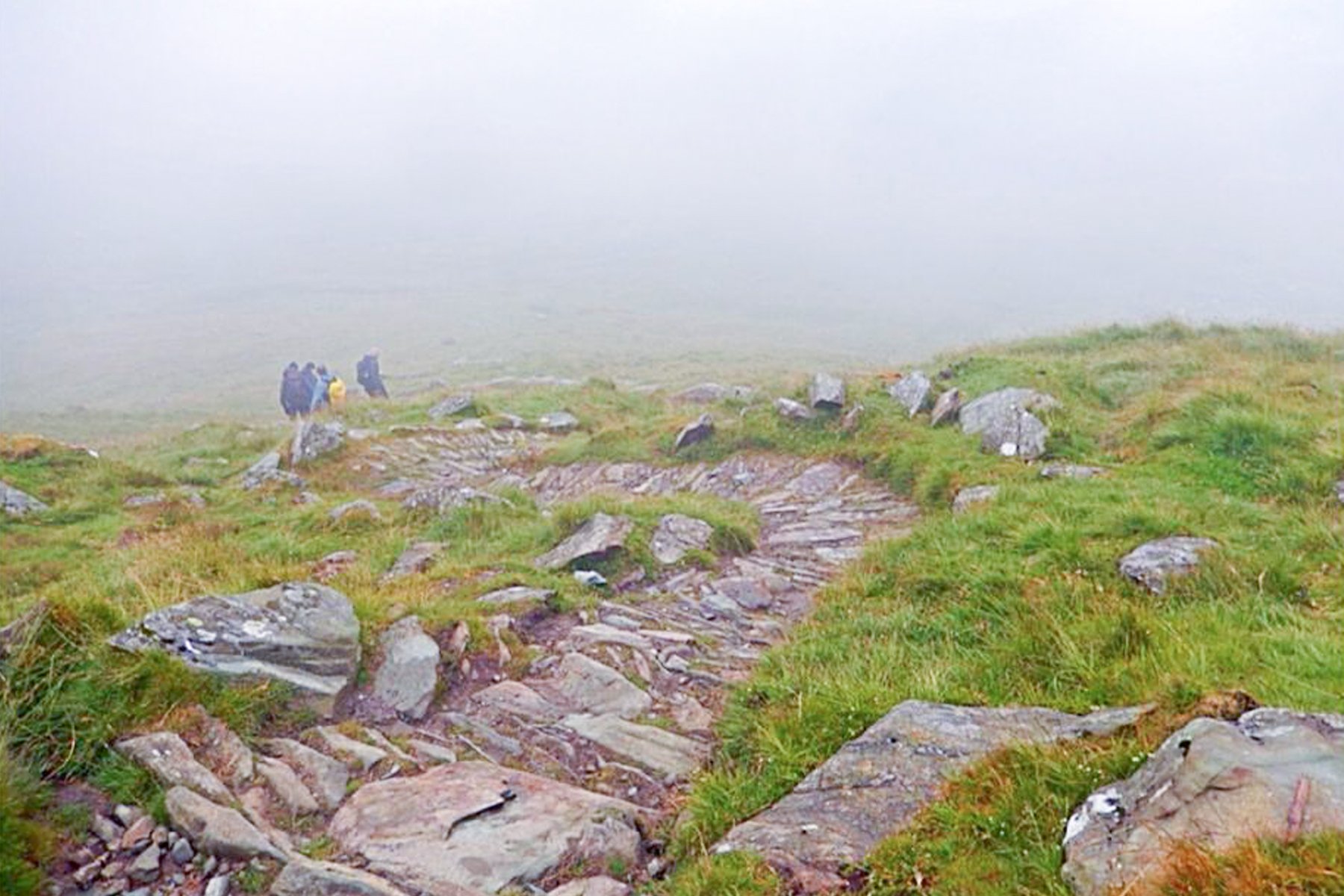
We did not check the weather forecast before we went. A 3 to 5-hour hike up a mountain famous for its VIEWS should only be worth taking if you can actually see the views.

Image of a misty path on a hill
Going down Ben Lomond, August 2014 // Image taken by Jas

3 The Edinburgh Fringe Festival

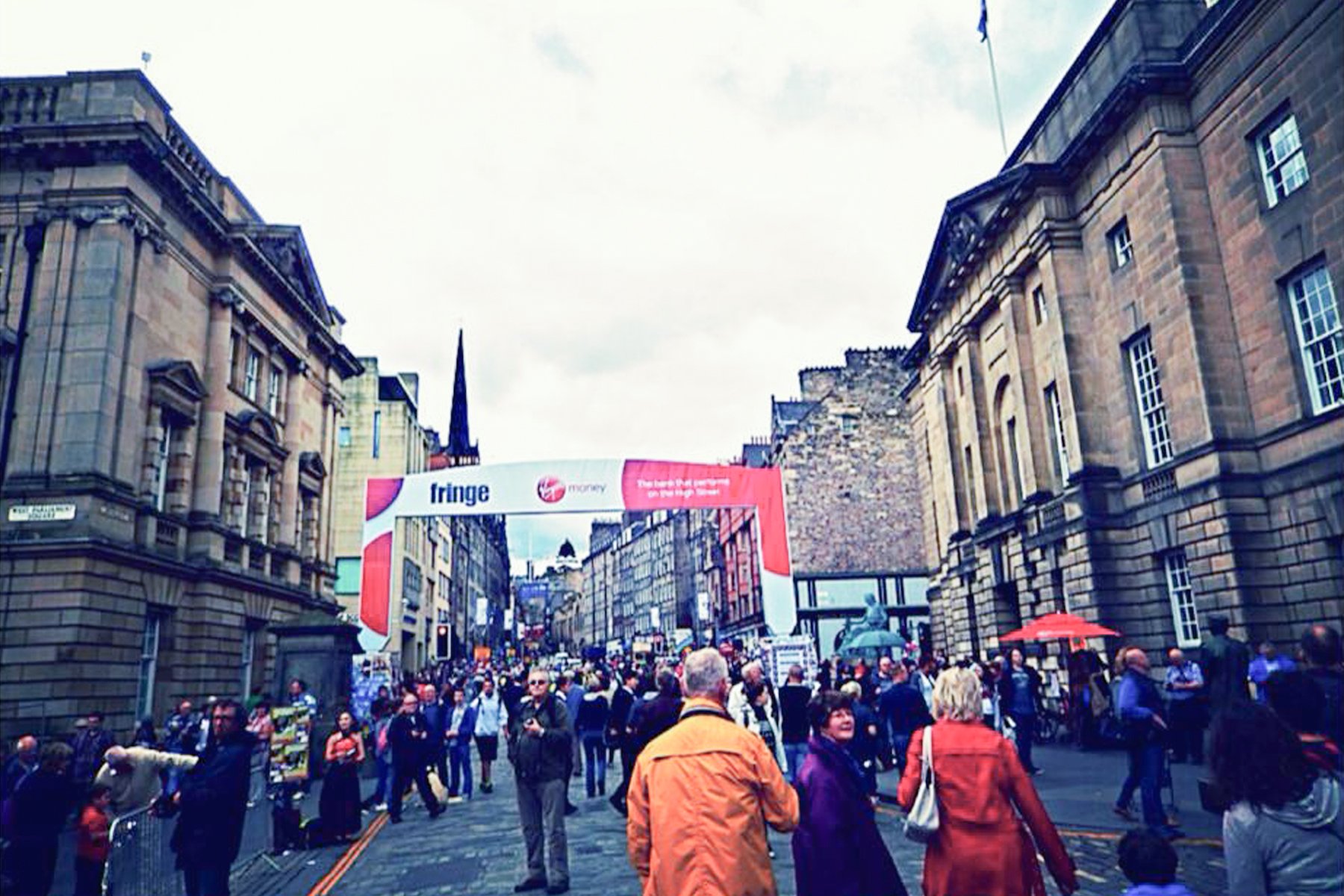
This annual festival happens in August. This is that time of the year when Edinburgh city centre fills up with tourist, and the locals retreat into the outskirts. I have enjoyed walking along the Royal Mile and watching the street performers.

Image of a street filled with people and a banner with the words "fringe"
The crowd at Edinburgh's Fringe Festival 2014 // Image taken by Jas

4 Trace Bundy's concert

Why not?

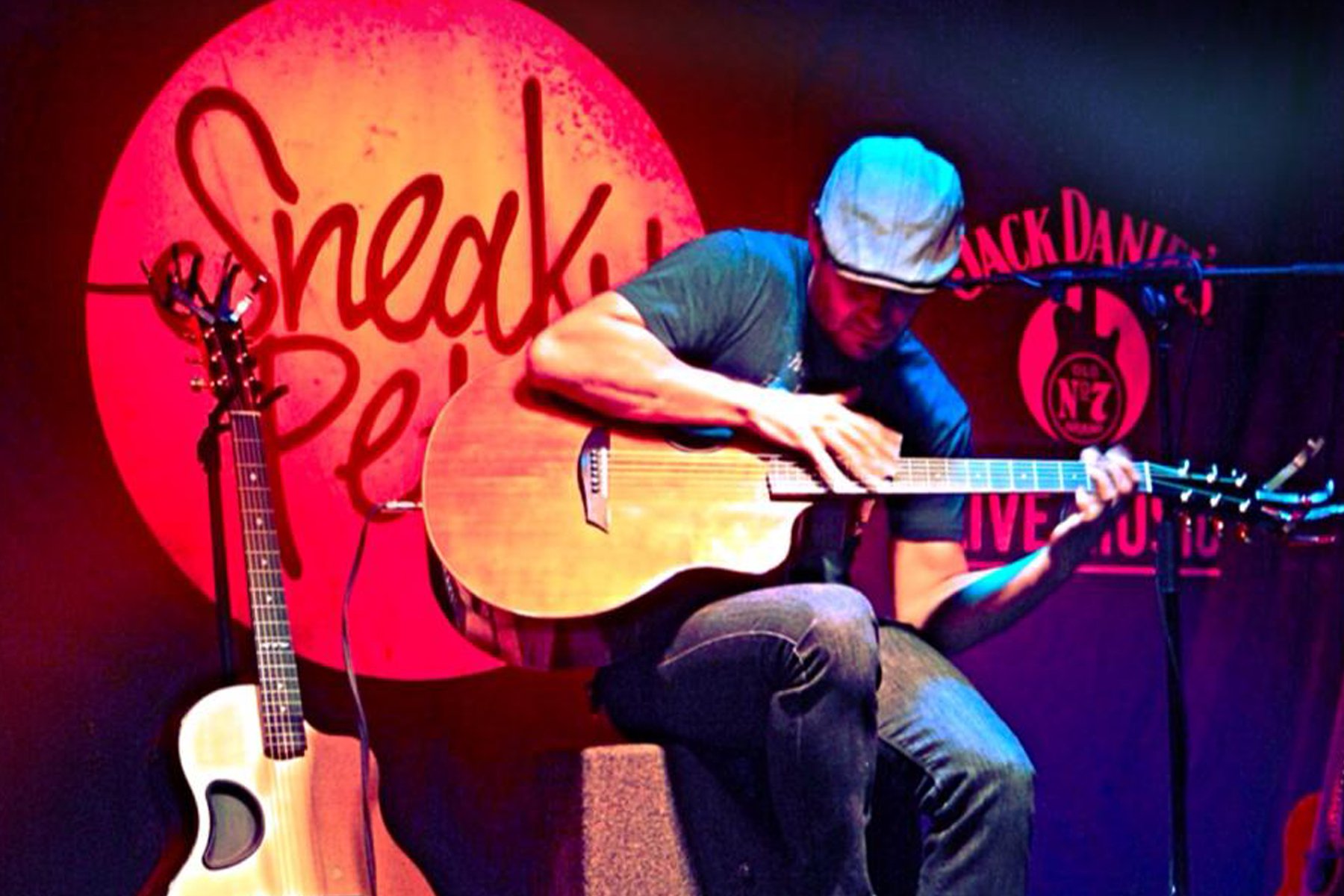
Image of Trace Bundy playing guitar
Trace Bundy doing his thing // Image taken by Jas

5 Three hour train journey to Oban just to have seafood!

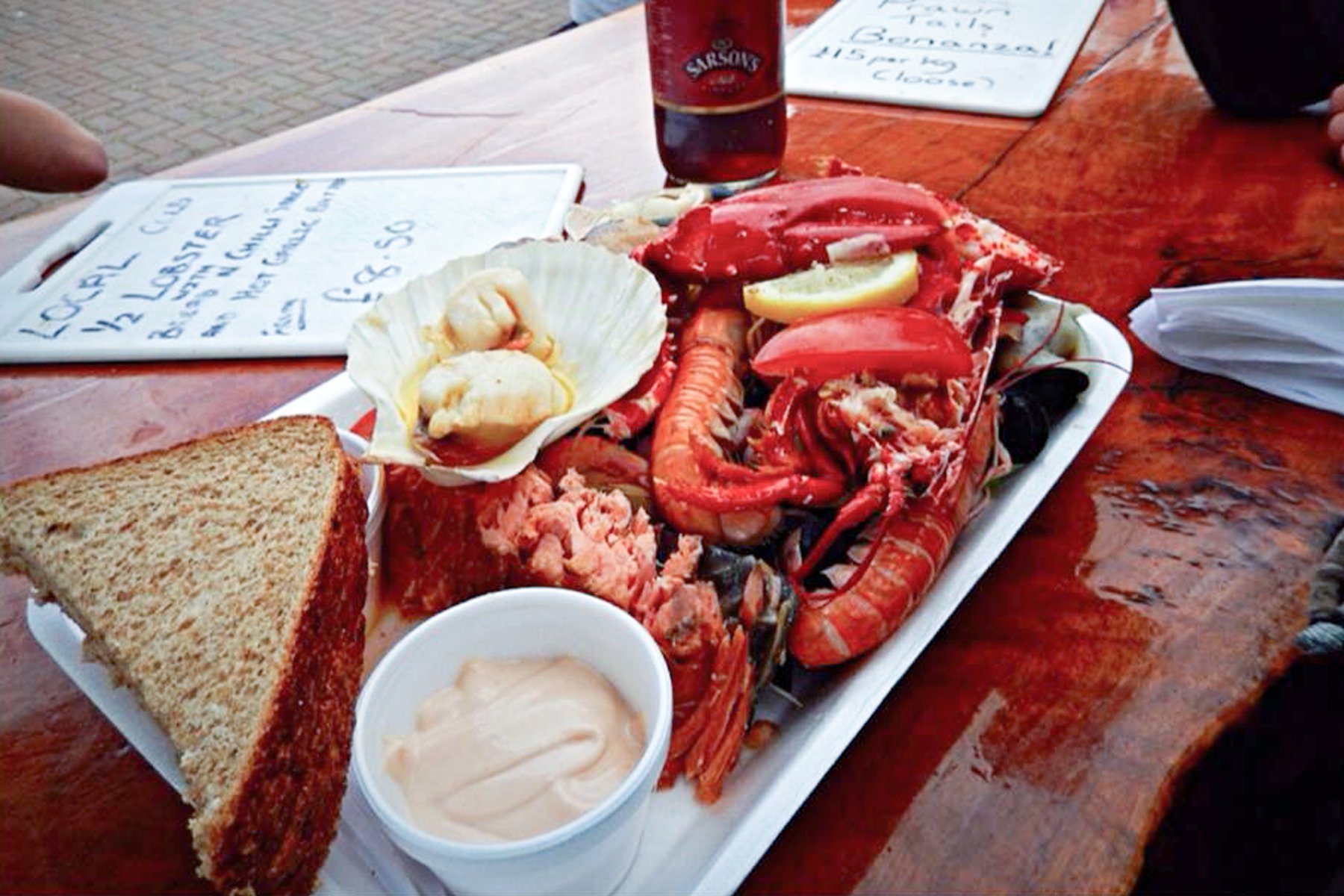
Oban is famous for its seafood. I have been here three times in the two years that I was living in Scotland. Almost every restaurant here serves seafood, but the best is hands down the green shed right at the end of the harbour.

Image of a large plate of seafood
The Great Platter at the Green Shack // Image taken by Jas

6 The view from Arthur's Seat

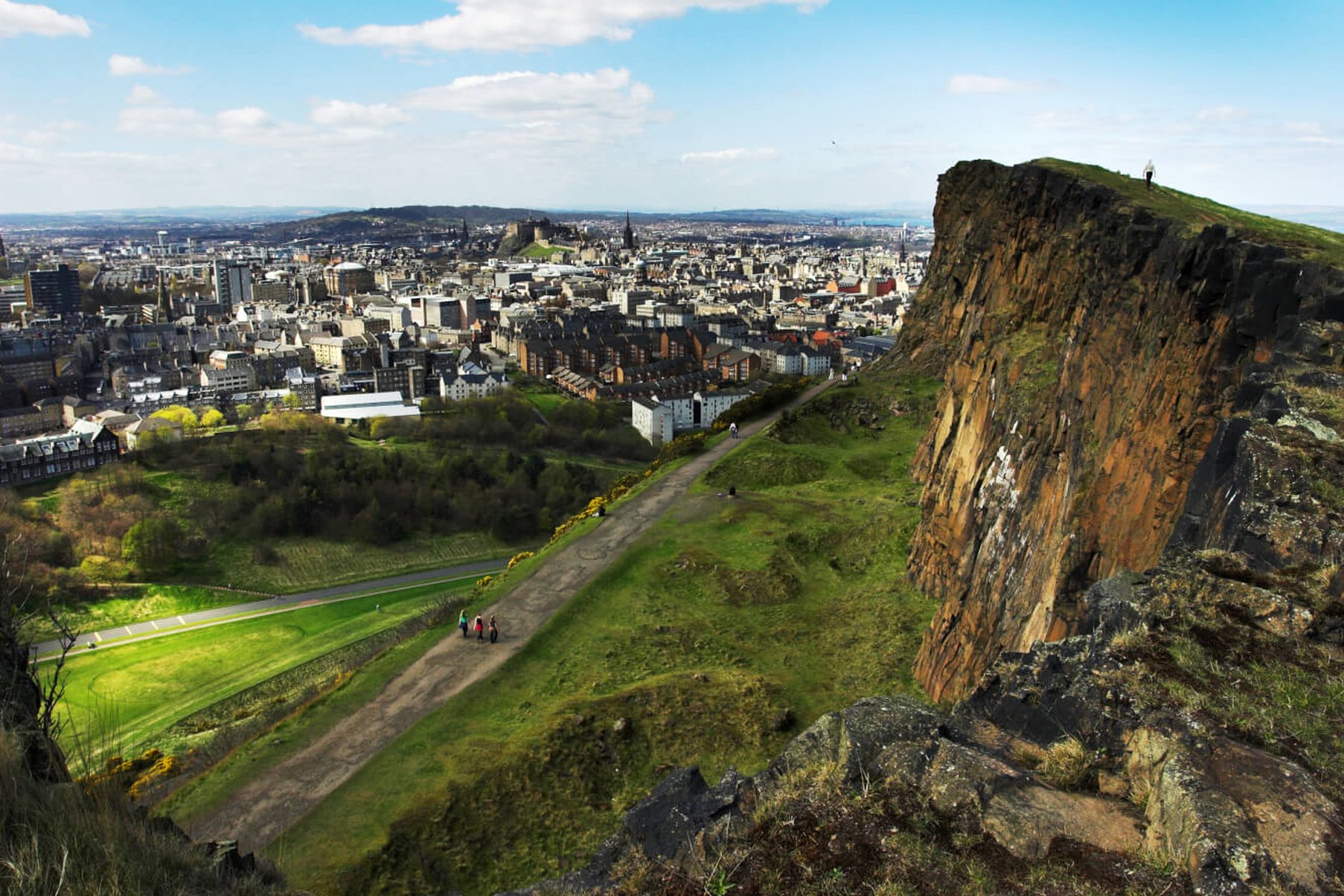
Arthur’s Seat seats right in the middle of Edinburgh city centre. The hike up is gentle and easy to do even for people with low fitness levels. The view at the top of the hill is totally worth it. I remember losing my way once when I was coming down alone and got stuck on a steep slope.

Image of a view from the top of a hill
View from Arthur's Seat, Edinburgh // Image taken from the web

7 Walking in grey Aberdeen

Aberdeen gave new meaning to the colour grey. Unlike Glasgow, which despite its grey skies, boasts brownish sandstone buildings, the buildings in Aberdeen were grey as grey could be. I am not exaggerating when I say, I could not even see the buildings when I had first come out of the train station. Thankfully, a friend of mine who was staying there showed me around the other parts of Aberdeen, which happily had more colour.

Image of a man walking on a cobbled street surrounded by stone buildings
Walking in Aberdeen // Image taken by Jas

8 Riding a boat on Loch Lomond

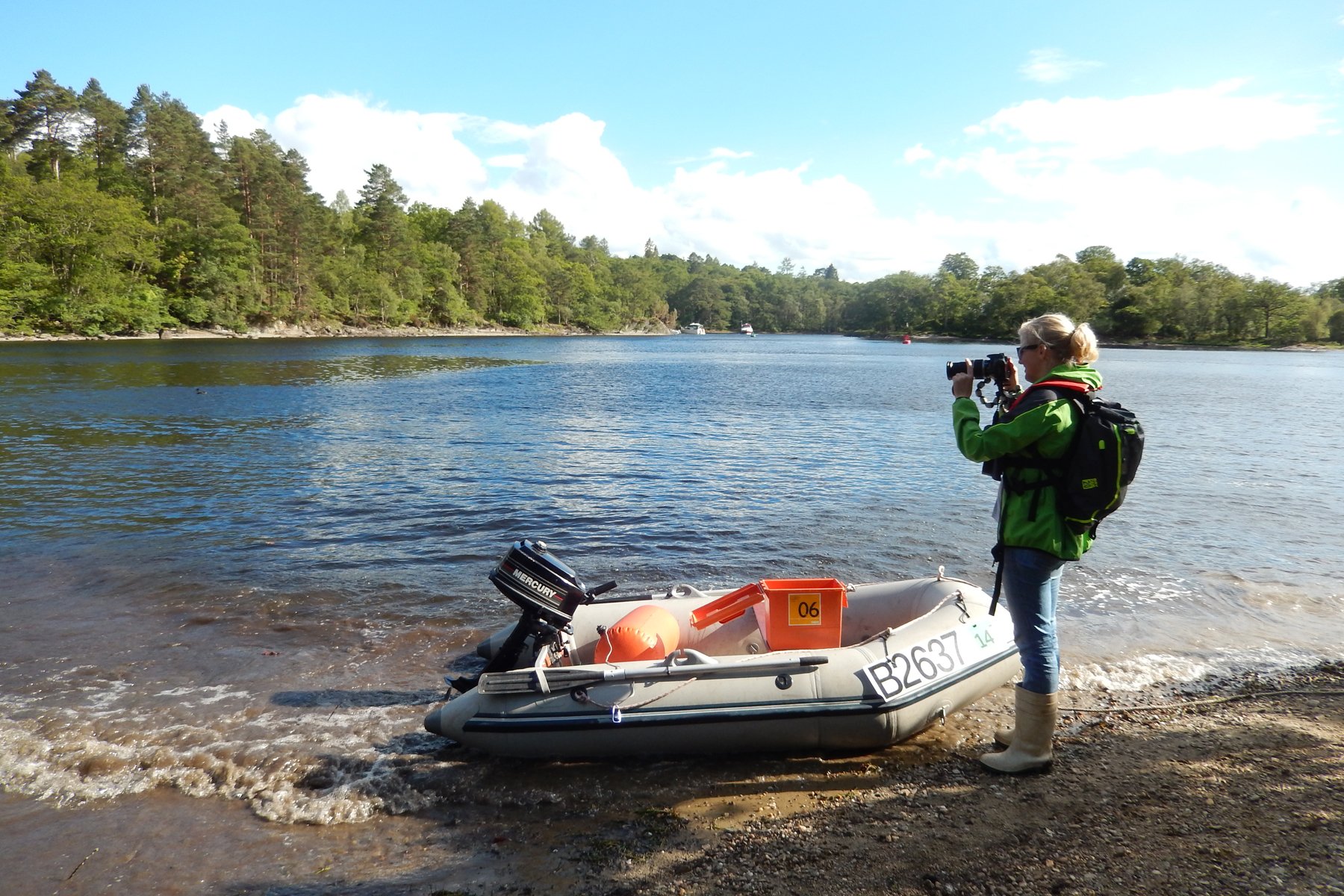
I was couch-surfing in Loch Lomond with some friends that I met through Workaways.net. Our host, Michael kindly offered to show us the Loch on his boat. I was amazed that he knew the names and history of even the tiniest islands that sit on the lake.

Image of a woman standing next to an inflatable boat, by a rocky shore of a lake
Our little boat // Image taken by Jas

9 Exploring Dundee through a Smartphone app

I was in Dundee for a conference when I met a guy who designs apps and games for work. He had collaborated with the local heritage council to create an interactive app that enabled the user to learn about the history of the city as they follow the instructions on the screen.

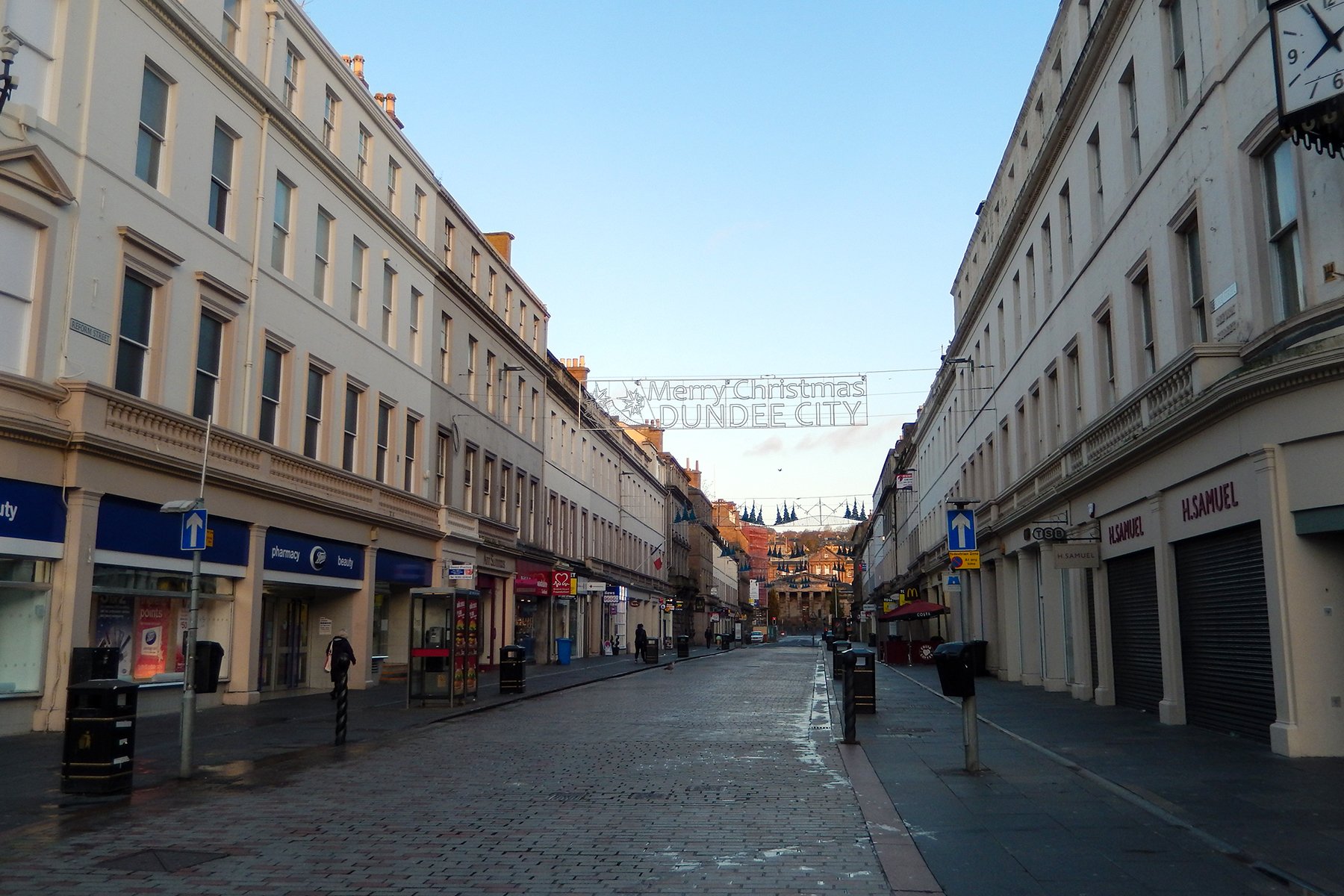
Image of a large empty street with a Merry Christmas banner above
Early mornings in Dundee // Image taken by Jas

Last words

Writing about Scotland brings back really fond memories for me.

I think the country is beautiful and the people are genuinely the nicest that I have ever met in my life. I miss the city, the food, and the Glaswegian accent. There really is no place like it, and it was an honour to have called it home.

Comments closed

Island Living: Reflections

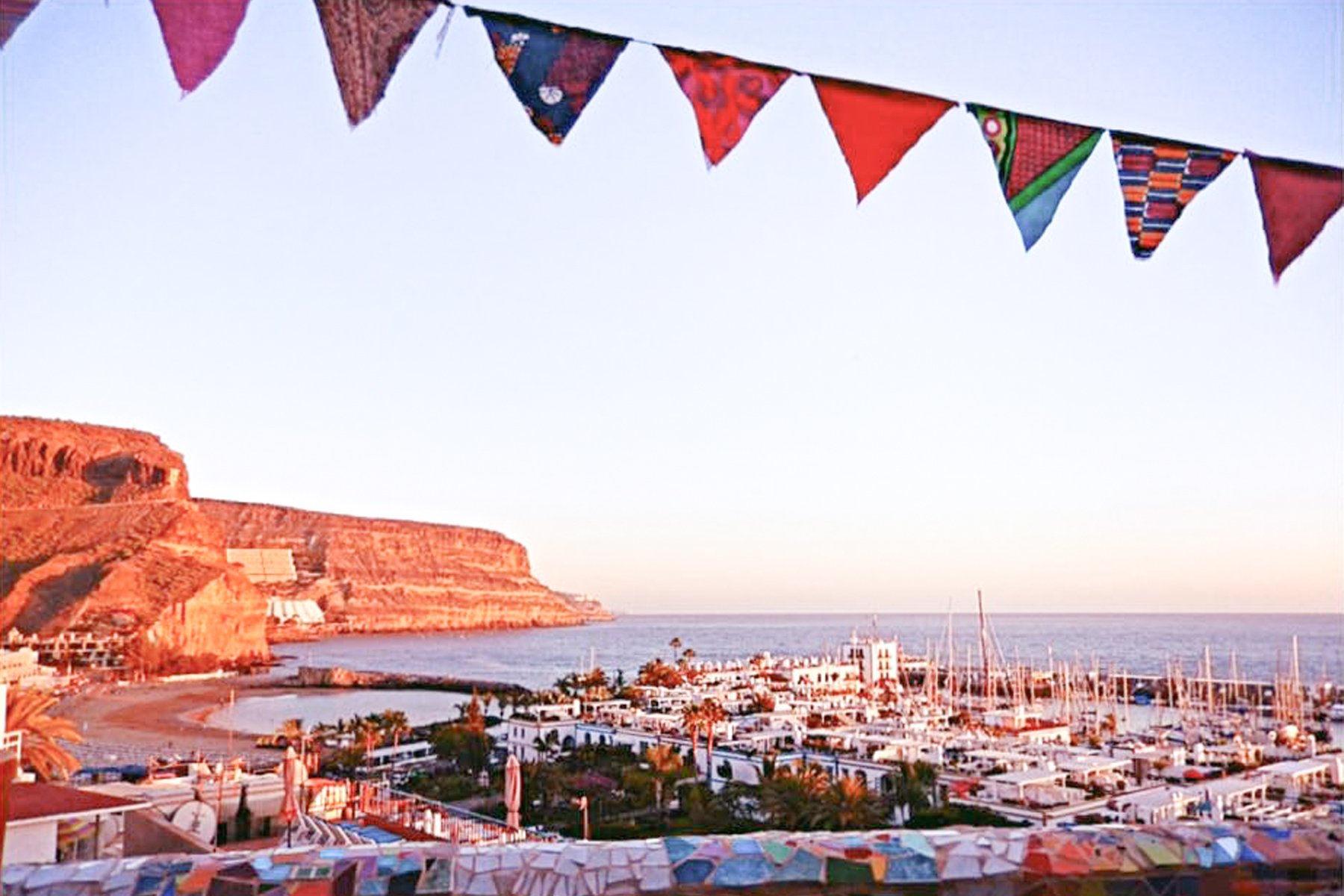
Image of a scenery of the sea and houses from a terrace
View from the terrace where I did a lot of soul searching // Image taken by Jas

Day 64 – Sixty four days on the island. Twenty-six days of work. Thirty-eight days of island exploring. Twelve sunrises. Fifty-seven sunsets. Forty-two new friends. One new language. Six new life skills.

Heading home soon but don’t ask me what I did, ask me what I learnt and I’ll tell you how it’s possible to never get bored of watching the sunset; day after day after day.

That if I go high enough into the mountains, stars shine brighter than diamonds;

That nothing bad is going to happen if I don’t shower for a day, or two;
That gluten allergies are a real thing, so are egg allergies.

I learnt to accept that this world may not be for all of us.

I learnt that if I put down the camera, the moment lasts longer than a photograph;

That if I linger after the sun sets, a lot of things could happen;
That jumping into the rocky parts of the sea could get you hurt badly.

I learnt that if I asked “how are you” often enough, people start telling the truth;

That I could survive with no Chinese food; or fish sauce
That if I filled my soul with meditation and music, I didn’t need food at all;
That it’s possible to live surrounded 24/7 by people and still feel lonely.

I learnt that if everybody followed their passion and did what their hearts truly wanted, this world would be a better place;
That so what if cats are multilingual, they will still sit on your face when you’re sleeping.

I learnt to like sleeping with cats;
That it’s possible to couch-surf a hostel.

I learnt that if I follow the sun, it takes me places;
That from higher up, people look like dead dolphins when they tan on the beach.

I learnt that it’s possible for two buff sized grown men to share a single day bed;
That a lot of people are homeless just because;
That medical insurance is a bitch.

I learnt that assumption gets us nowhere;
That if we didn’t know where we’re going, any road gets us there;
That we’re never too old to persistently ask why.

I learnt that it’s useful to be book smart; but
Essential to be street smart;
That olive oil heals ear-aches.

I learnt that I bruise easily;
That there are generally only two kinds of people;
Those who do and those who ask what those who do, did.

Comments closed

Banda Aceh, Indonesia: The People Behind Disaster

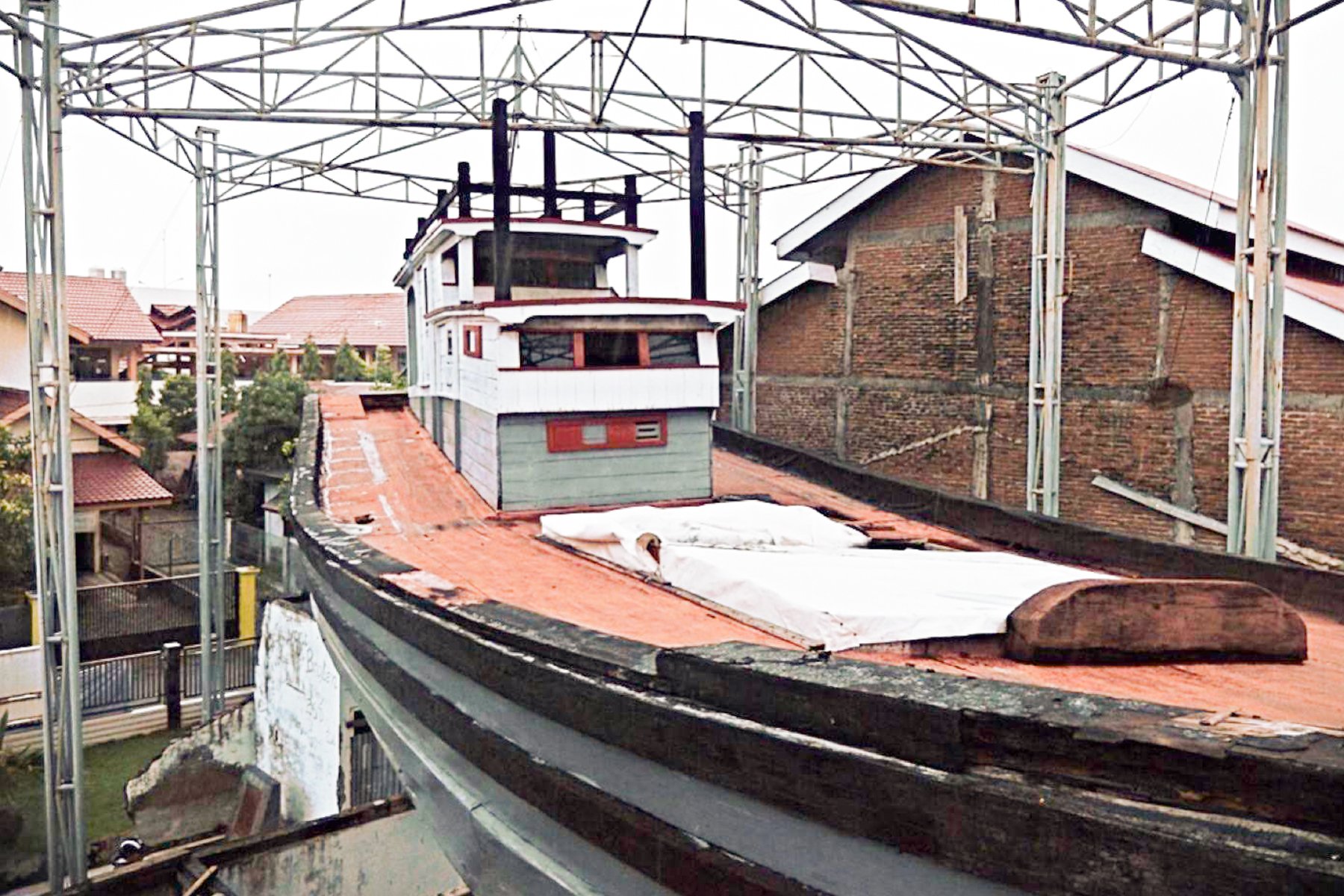
Image of a large boat sitting on top of a damaged house
Boat that was washed ashore during the 2004 tsunami // Image taken by Jas

The year 2014 marks the 10th year since a tsunami wiped out half the city of Banda Aceh, capital of Aceh in the Sumatran Island of Indonesia. At that time, I was based in Scotland, working on my thesis on reconstruction after disasters. I decided that this would be the perfect opportunity to follow up on the reconstruction efforts by the government as well as the local and international NGOs stationed there since the event.

After getting the necessary paperwork done, I boarded a flight with a close friend who had surprised me by telling me that she wanted to visit Aceh. We would spend the first few days sightseeing and visiting Sabang Island. We had rarely spent time together anymore, and I was glad that she was coming along for the trip.

Sabang Island

We arrived at the airport and immediately hired a tinted black taxi that took us to the ferry terminal. This was a minor mistake in terms of finances as if we had done more research, we would have known that a tuk-tuk would have sufficed for half the amount that we paid for. Tuk-tuks are plentiful in the city, and they were much cheaper compared to air-conditioned cars. Also, I felt much safer in an open-air tuk-tuk compared to a fully tinted vehicle.

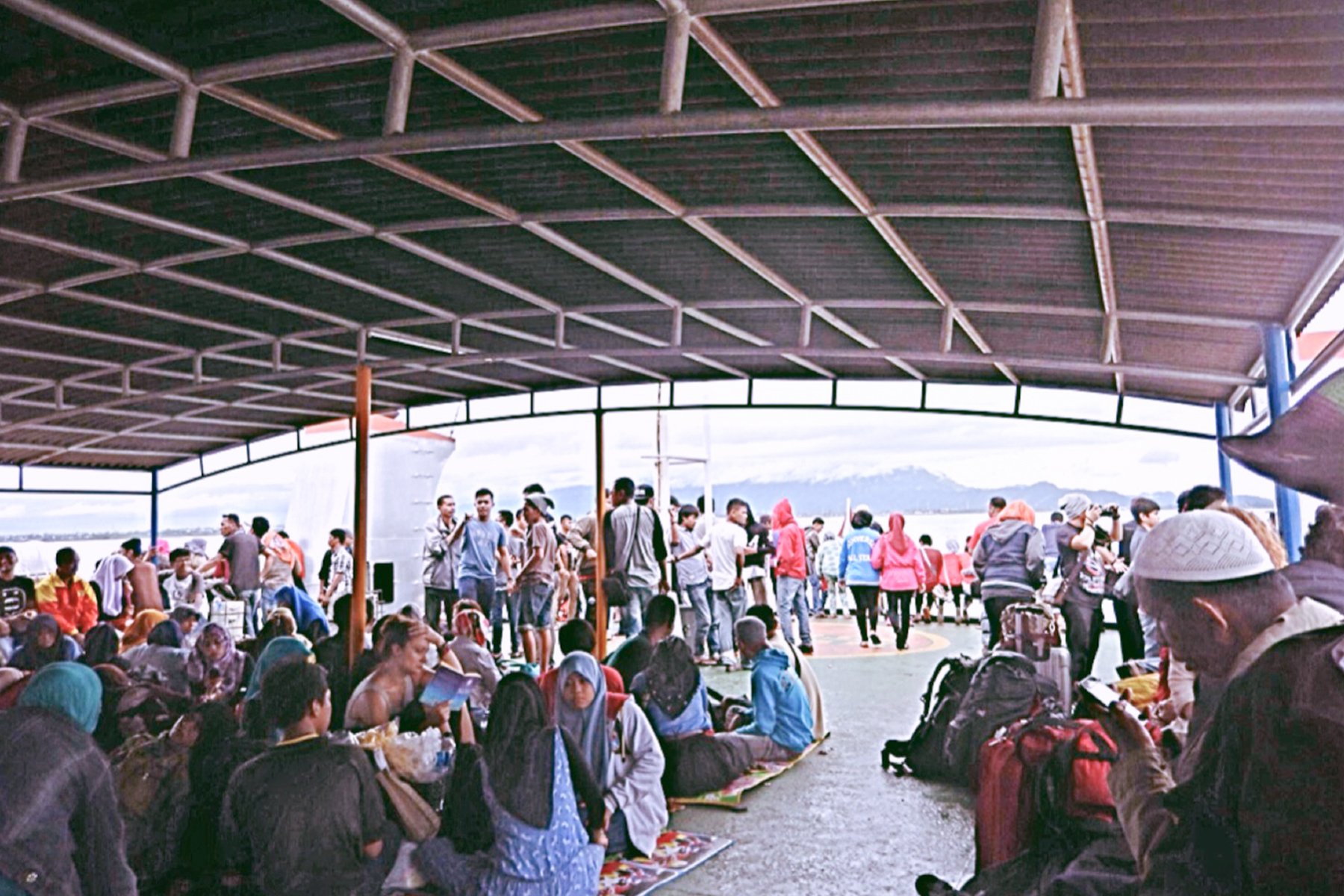
The ferry ride was uneventful, albeit somewhat unsafe. The more expensive tickets had seat allocations in the air-conditioned compartments below. We were not sure if our tickets had seat allocations for these, but we made our way up to the top deck anyway. On the open-air deck above, escaping a fire or ferry capsizing would be faster, we thought. We made our way up the deck and found a ledge that we could rest on. I scanned my eyes around and noted that there were not enough life jackets available for the number of passengers on board.

In the middle of the deck, passengers boarded with their own rattan or plastic mats and laid them on the floor to lie on. In the corner, a shop sold coffee, snacks, and rattan mats that could be rented for the journey. The ride was a bumpy one. At times, the waves were so huge, water came crashing in and wetting us throughout the 1 and ½ hour journey to Sabang Island.

Image of the top deck of a ferry full of passengers
Top deck of the ferry // Image taken by Jas

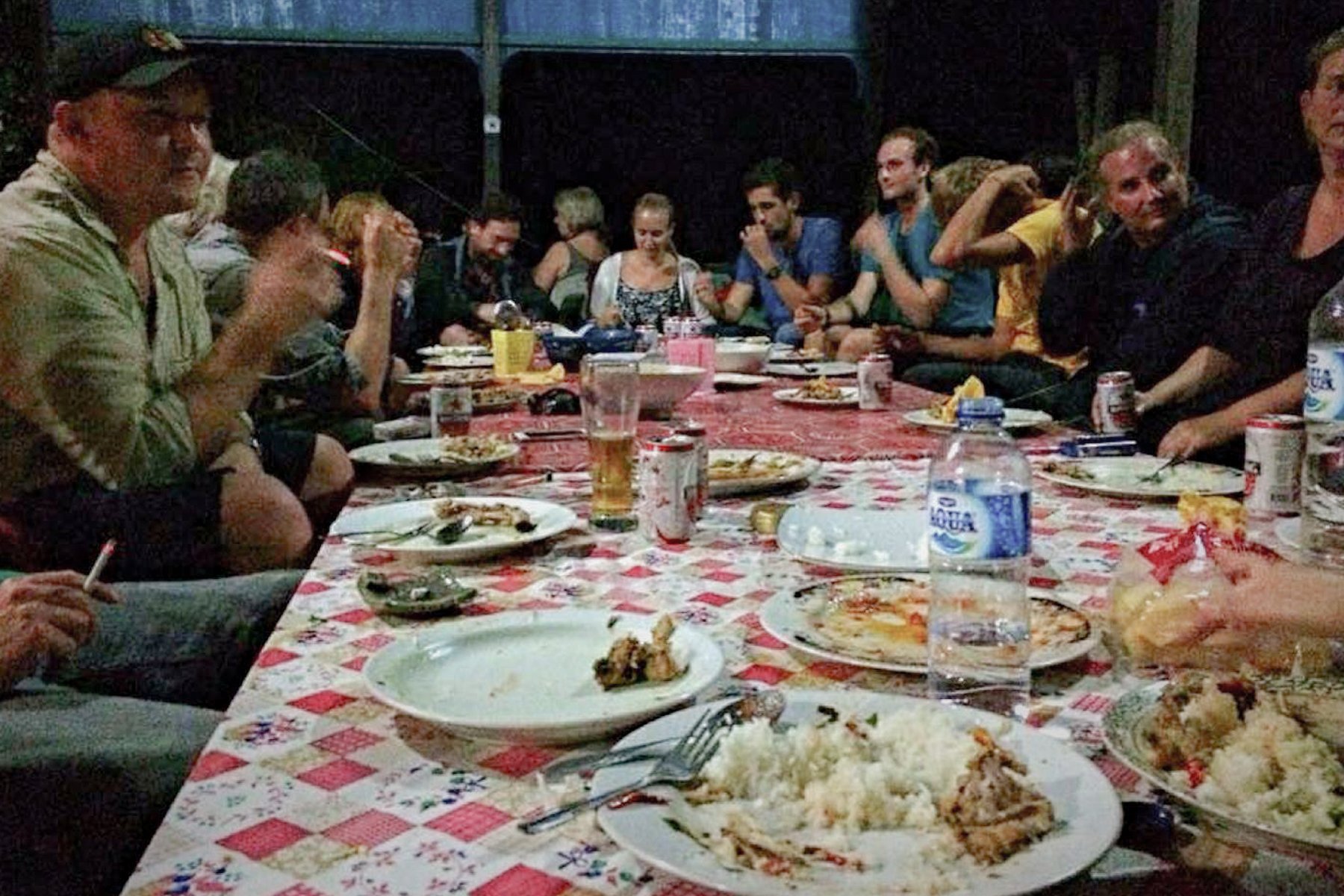
On arrival in Sabang Island, we stayed at Norma’s chalet. We read on Lonely Planet that Norma’s chalet is an institution. This was true. We truly enjoyed our stay there. Norma prepared lovely dinners every night for her guests, as well as visitors from the other chalets. The price of both the chalets by the water and the dinners were reasonable. We did not manage to get a chalet at the edge of the water as it was fully booked. We found out that returning guests book for months at a time. I made a mental note to myself to return in the dry season and book them way in advance!

Image of a group of westerners sitting at a large table filled with plates of food
The group that gathered for dinner // Image taken by Jas

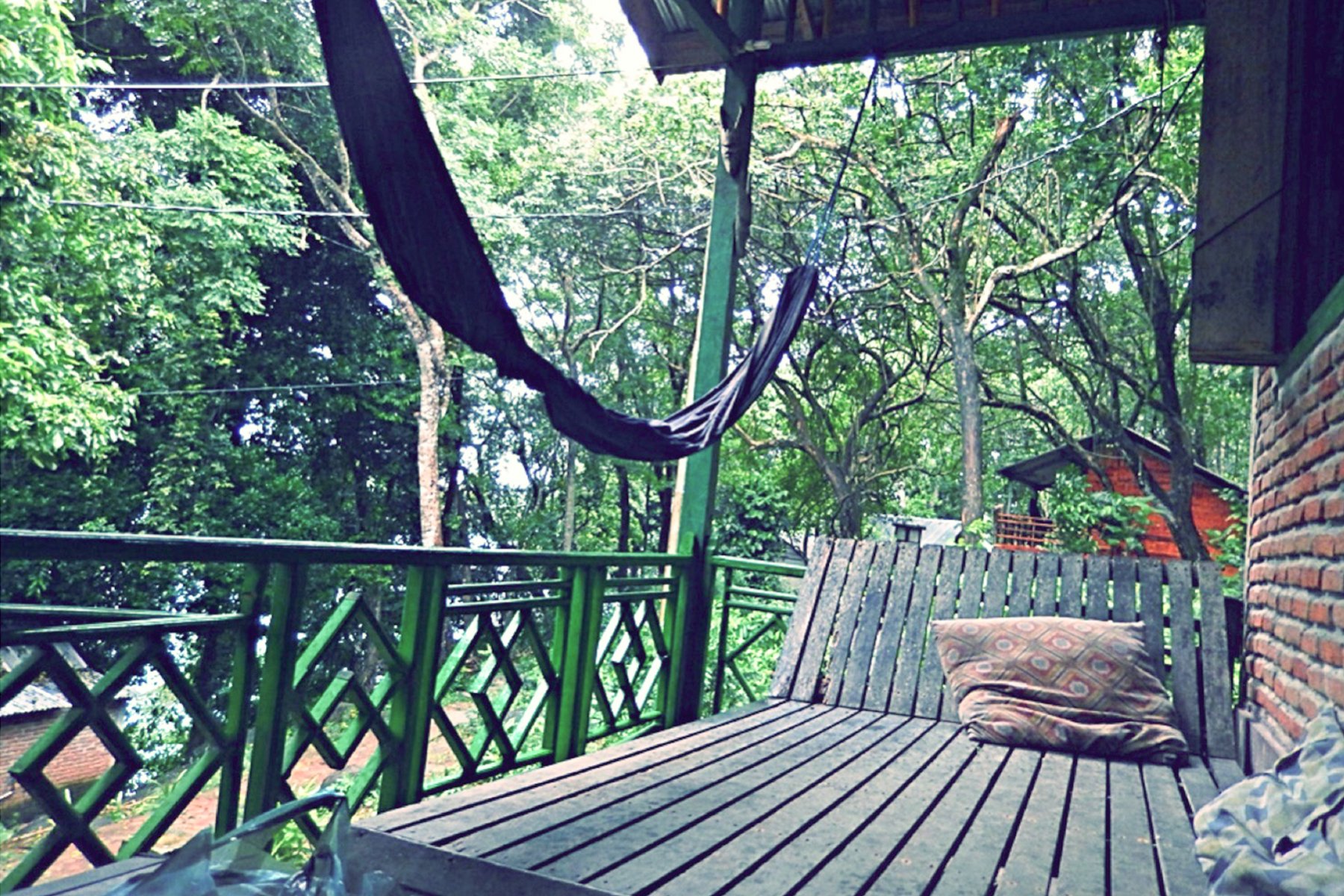
As it was close to the rainy season in December, the waves were more powerful, which made snorkeling not as good as it usually is. Though we met many divers during our stay, I cannot comment on the quality of the dives as we did not do any ourselves. In the afternoons, heavy rains poured down on the atap roofs of the chalets. Often, we found ourselves having meals and just hanging out at a nearby café.

Image of a hammock and a bench on a porch
A place to lie around after the rain // Image taken by Jas

During the thunderstorm, a tree had fallen, blocking the only road to the jetty. This happened on the day of our expected departure, and we were almost stranded on the island. However, the locals managed to clear the tree away. Soon after, we headed back to the mainland.

Back in Banda Aceh

In Banda Aceh, we checked in at the Hotel S, where I continued to stay for another week. My friend remained for a couple of days. We spent the time visiting the tourist spots that emerged following the tsunami in 2004. The most well known of these are the Tsunami Museum and the boat that got swept over a house.

We did not have trouble finding these places, as every single tuk-tuk driver offered to drive us around and take us on the trail of the tsunami. I could not help but ask them personal questions, such as the effects the tsunami had on their lives. They were more than willing to share their stories.

A lot of them have lost at least one loved one in the tsunami. On record, they were officially missing but presumed dead. A total of 125,000 people perished in the tsunami in Aceh. To date, many bodies have not been identified and may never be. A visit to one of the mass graves in the city broke my heart with the sight of lone figures chanting prayers and crying as they knelt alongside unmarked graves.

Be that as it may, throughout my stay in Banda Aceh and my meetings with the locals, I came to learn of something quite surprising to hear in person. I had read about it while I was doing my research. Despite so much loss, many of the tsunami survivors and local people mentioned that they felt the tsunami was a blessing in disguise. It brought an end to the years of insurgency in the previously unstable Aceh! A couch-surfer turned friend said that the sound of bombs and gunfire could be heard almost daily. It was impossible to leave the house except to head straight to school and back home. Houses were intact, but they were like prisons.

Further questions invoked blunt answers. Yes, the tsunami killed many people, but many people died daily during the insurgency. At least we know that the tsunami is over.

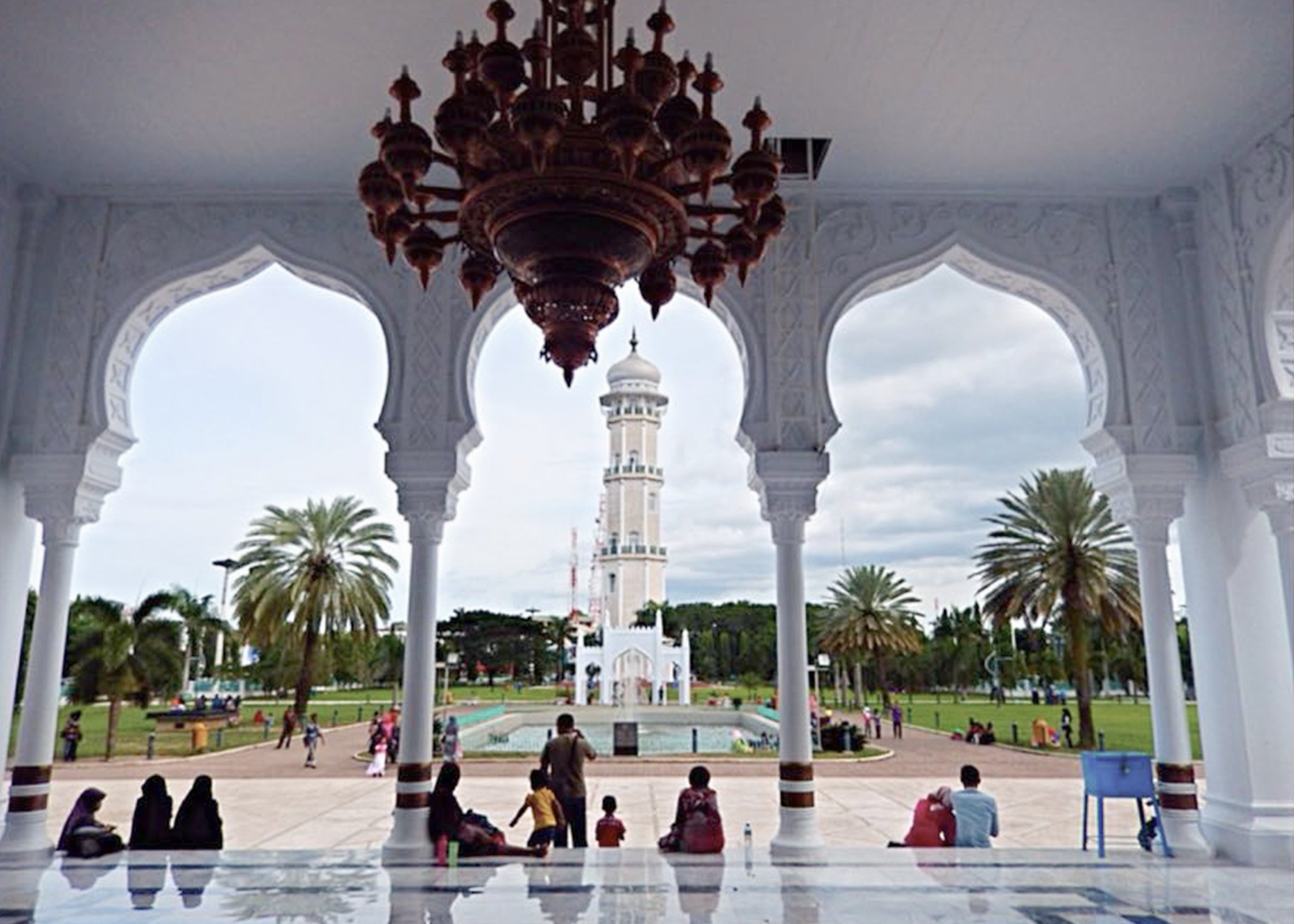
Image taken from inside a mosque
Inside the Grand Mosque // Image taken by Jas

Learning from ex-volunteers and couchsurfers

Before leaving for Aceh, I had made contact with a couch-surfer who was working with the Indonesian Red Cross (IRC). In the week leading up to the 10th commemoration of the tsunami, the event organizers had scheduled an educational exhibition. This large-scale event was held in the city.

Here, various booths by non-profit organizations were set up to educate visitors on the reconstruction efforts on the city, as well as to introduce future plans for building a safer Aceh. We agreed to meet up at the booth mended by the IRC.

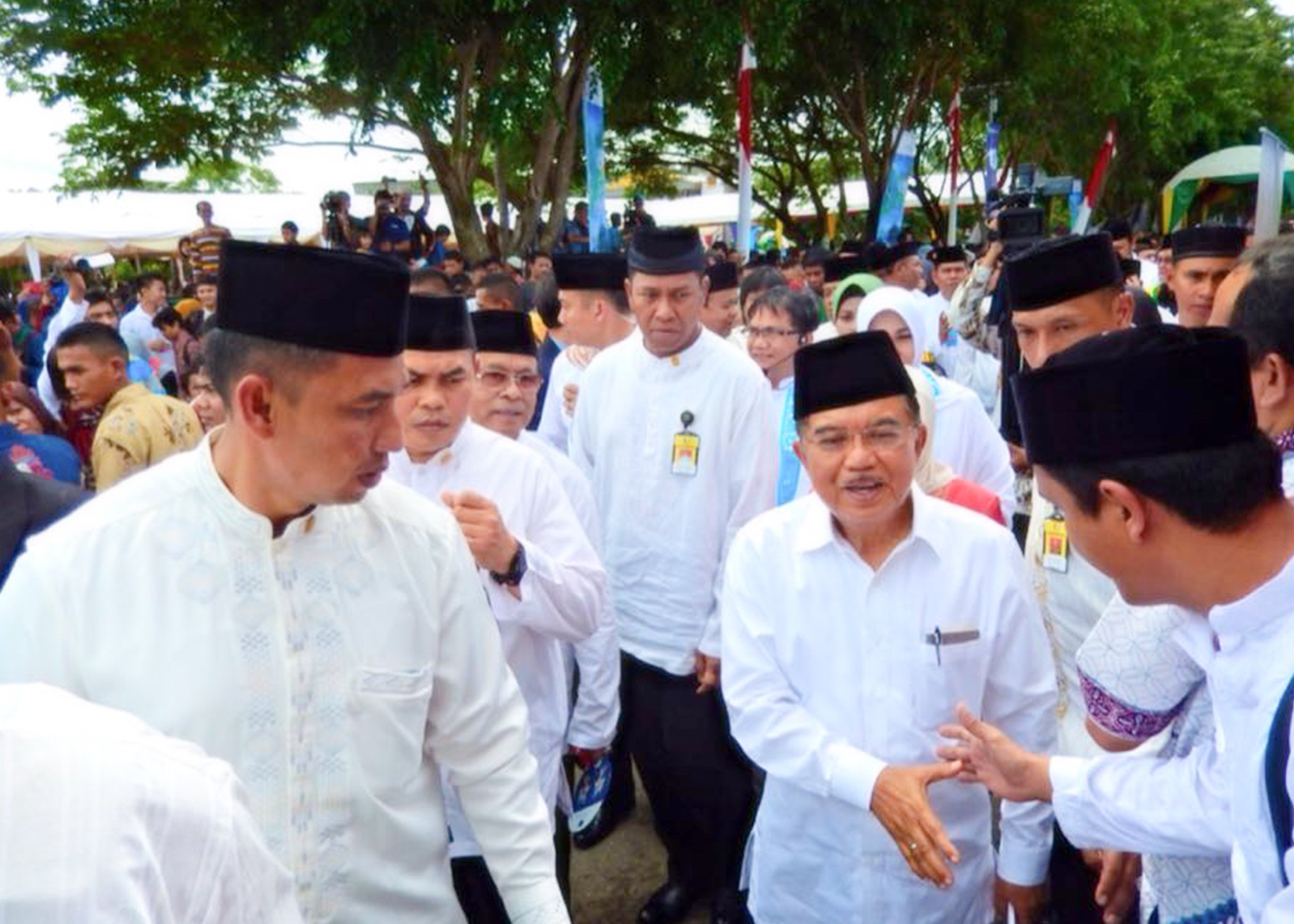
Image of Jusuf Kalla shaking hands with the public and surrounded by people
Meeting with the then Vice President, Jusuf Kalla at the IRC Booth // Image taken by Jas

Aisyah was kind, friendly, and exactly as I expected. Her colleagues, who were also friendly and nice, offered me lunch. As Aisyah was busy preparing for the exhibition, I started talking to some of her other visitors. One of them was a Canadian friend of hers that she had met when they volunteered together following the tsunami back in 2004. They had not met for ten years!

This friend of hers, who is now a practicing doctor, quickly proved to be indispensable for the next couple of weeks. I was a naïve architectural post-graduate, carrying out my research and study of the reconstruction efforts in a city foreign to me. He played the role of a highly enthusiastic research assistant going down memory lane as we visited the places that were most affected by the tsunami.

Image of a mosque
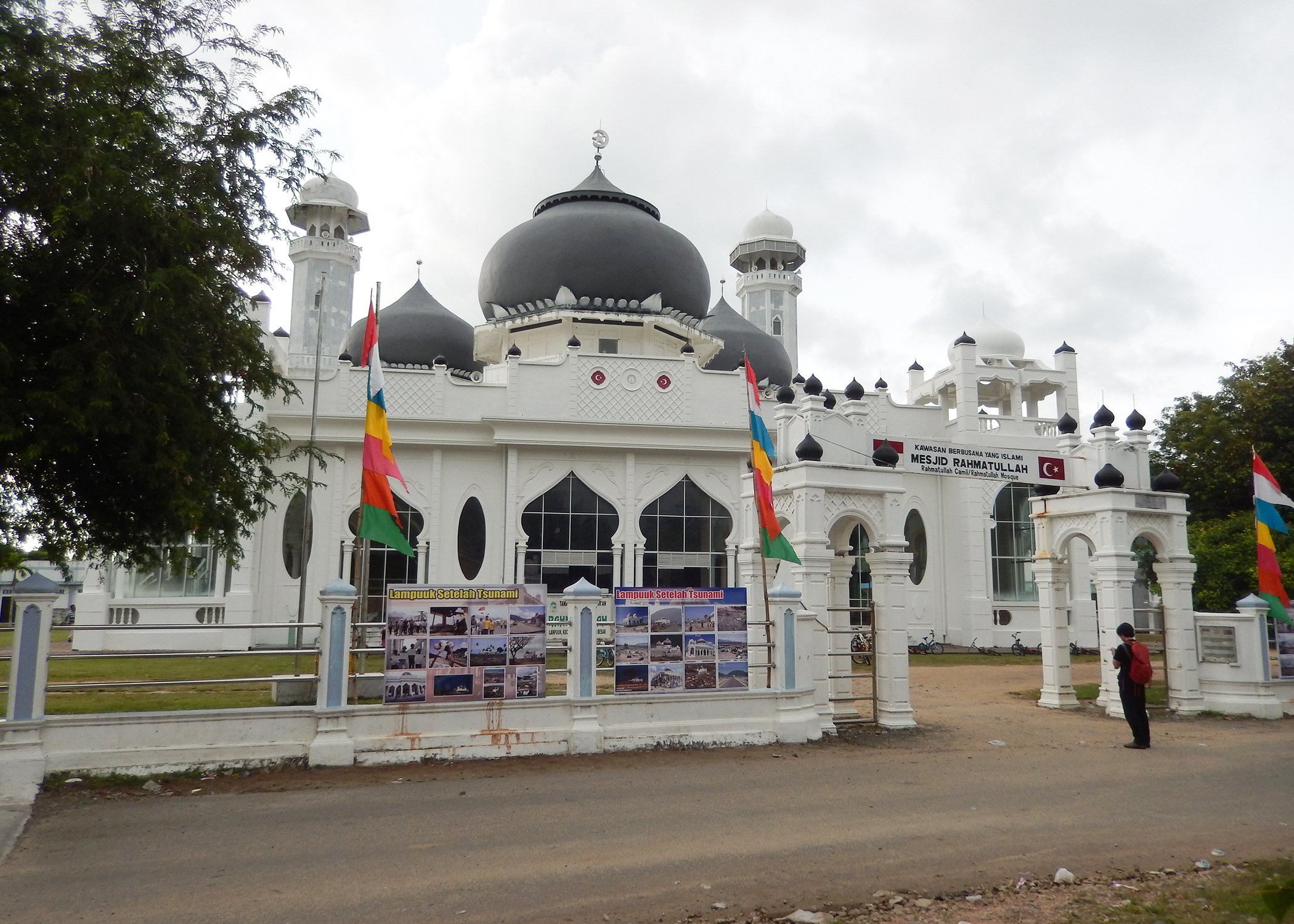
The Doc standing in front of the Rahmatullah Mosque, famous for being the only structure left standing after the tsunami wiped clean the coast line // Image taken by Jas

Throughout, the Doc provided me with valuable input and really opened my eyes to the realities of the effects of the disaster. I listened in shock as he relayed the stories from 2004 when he just landed in Banda Aceh, two weeks after the tsunami, as an eager young medical student.

I remember thinking how amusing it was to witness this young doctor recalling memories as if it happened only yesterday. Doc had brought with him photographs, memorabilia, and even Acehnese music that he had collected from way back then. It was as if he was just picking up from where he had left off.

An unexpected Christmas

It was Christmas Eve on the day that we met. Doc asked if I had anything planned for Christmas, and I replied, none. I had expected to be in the hotel that night, going through my research plans. He said that he was meeting up with some ex-volunteers who were stationed with various NGOs during the tsunami, and he invited me to join. I accepted.

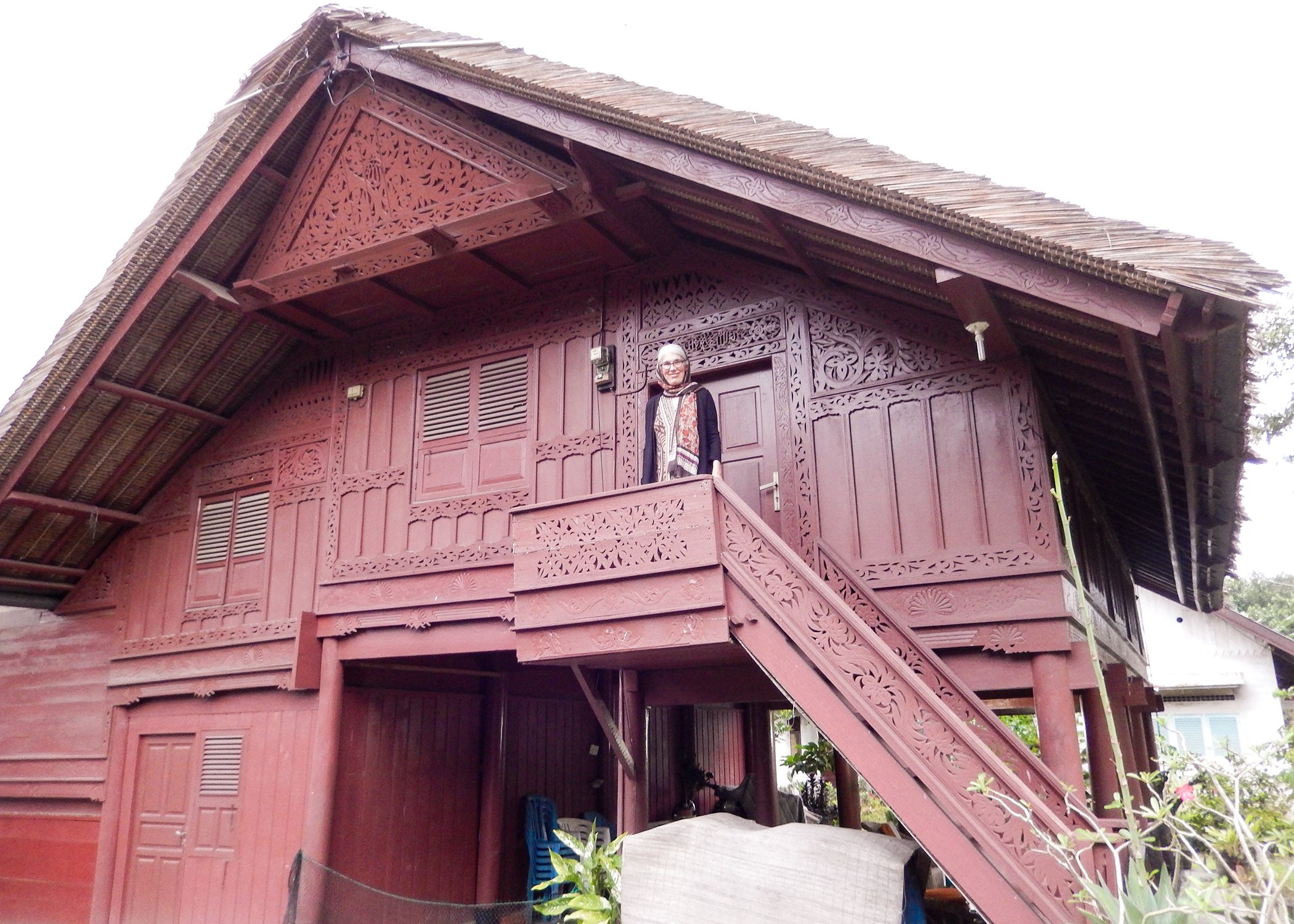
Soon, I found myself in the home of a generous Acehnese couple who were and continue to work for the NGOs. This couple would, later in the week, show me the traditional Acehnese house that belonged to their mother. It was a beautiful red timber structure situated in a pristine little village known for its preservation of Acehnese houses.

Image of P standing in front of a red timber house
P in front of the traditional Acehnese house // Image taken by Jas

That evening, I met another wonderful American woman in her sixties who had worked with the IT unit to reconnect Aceh to the rest of the world in the tsunami aftermath. This time P had brought along her psychologist husband, with whom I quickly found myself to be deep in conversation.

Later in the evening, more ex-volunteers started to arrive. I was invited to stay for Christmas Eve. We had food, played games, and had serious discussions.

That night, if somebody were to glance in and see this group of multi-nationalities, they would have thought that we were old friends catching up.

On the surface, that was true. But, amidst this group of ex-volunteers, there was I looking in on these people, knowing. I knew that at one point in time, they had decided to drop everything in their lives, to place their needs and comforts below others, and to offer sincere help to the people in despair. I felt so much respect as I listened to their stories.

This was one of my best Christmas yet.

New Year

Other than Aisyah, I had also contacted another couch-surfer in Banda Aceh. I asked if he was available to show me around his city and showed me around, he did! Di was the epitome of the spirit on which couch-surfing was built upon. In hindsight, truly understanding and accepting Aceh for what it is would not have been possible without Di. The Doc, Di, and I hung out often. Through him, we met other couch-surfers, and our group of friends, including Aisyah, quickly grew.

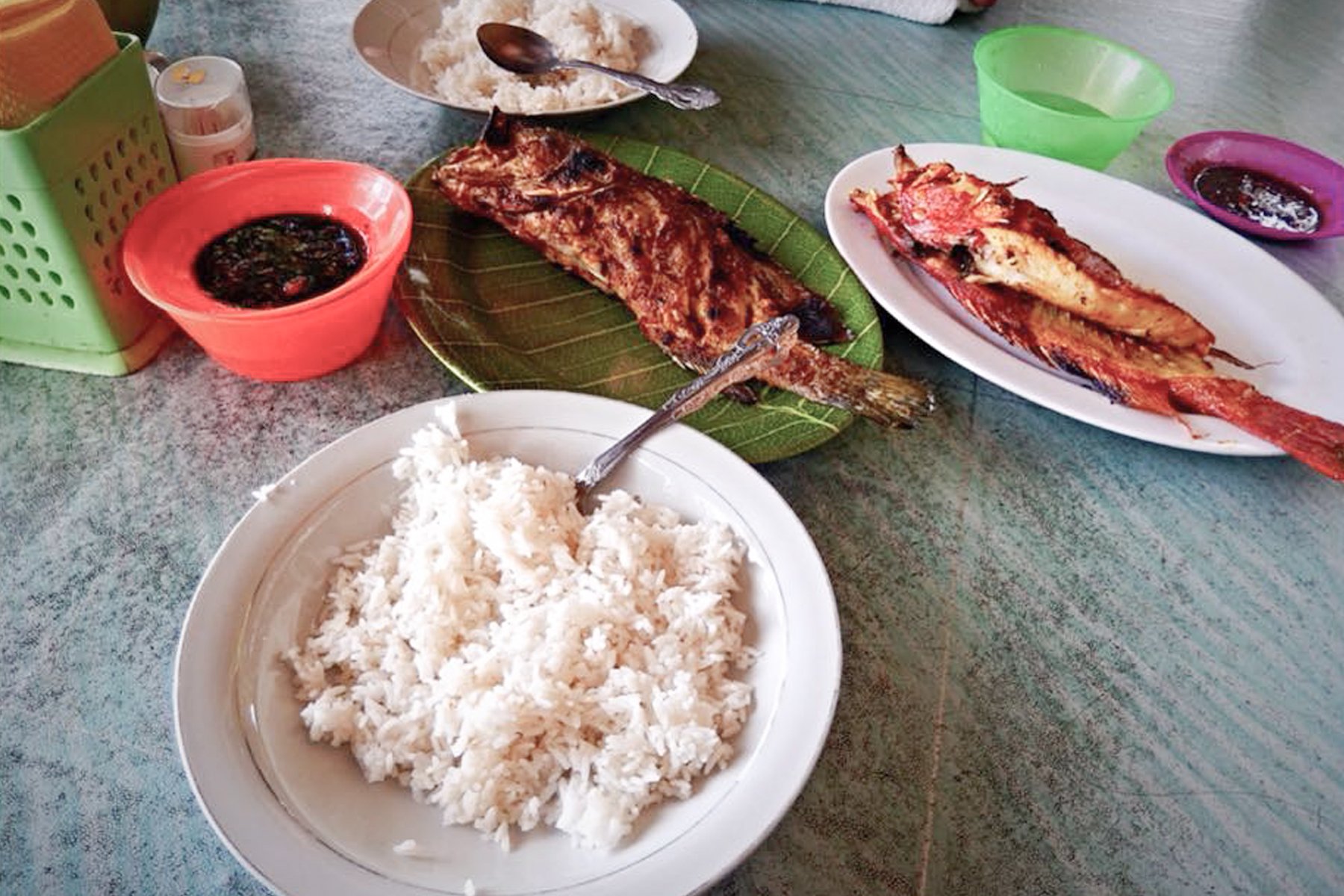
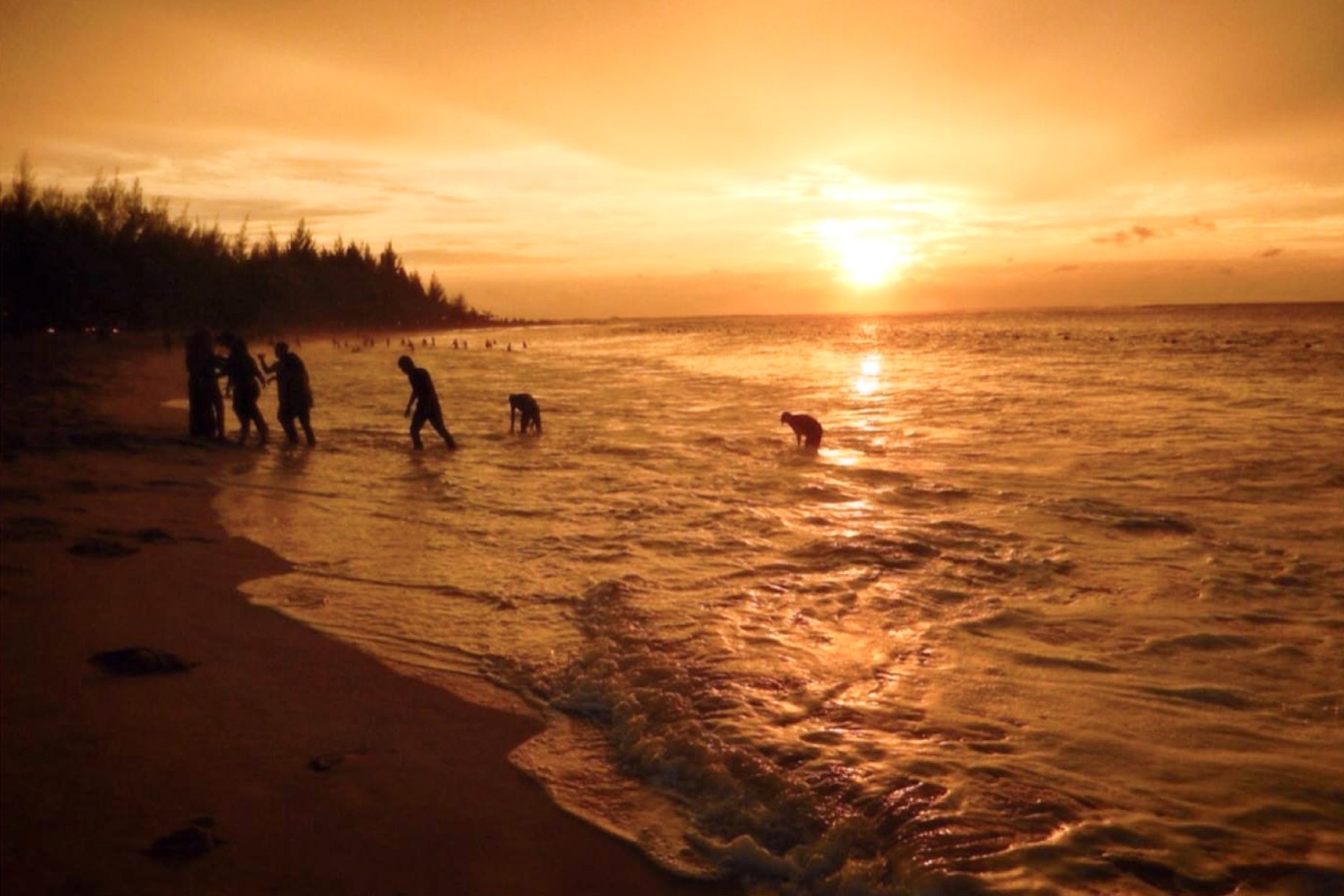
On weekends and in between the study, we went to Lampuuk Beach and lingered to watch the sunset. The sunsets on Lampuuk Beach were spectacular. There, I enjoyed filling my tummy with a simple meal of grilled fish, rice, and coconut water. We sat in the open huts where our meals were served.

Image of a plate of rice and barbecue fish
Delicious meal by the beach // Image taken by Jas
Image of silhouttes of people playing in the sea with the sunset behind them
Sunset at Lampuuk Beach // Image taken by Jas

We also swam in a river, picnicked, hung out in coffee shops, and even went karaoke. We found out that Doc was keen on fishing, and I found myself spending the whole of one fine day on a fishing boat, learning the local way of catching fish from a local fisherman.

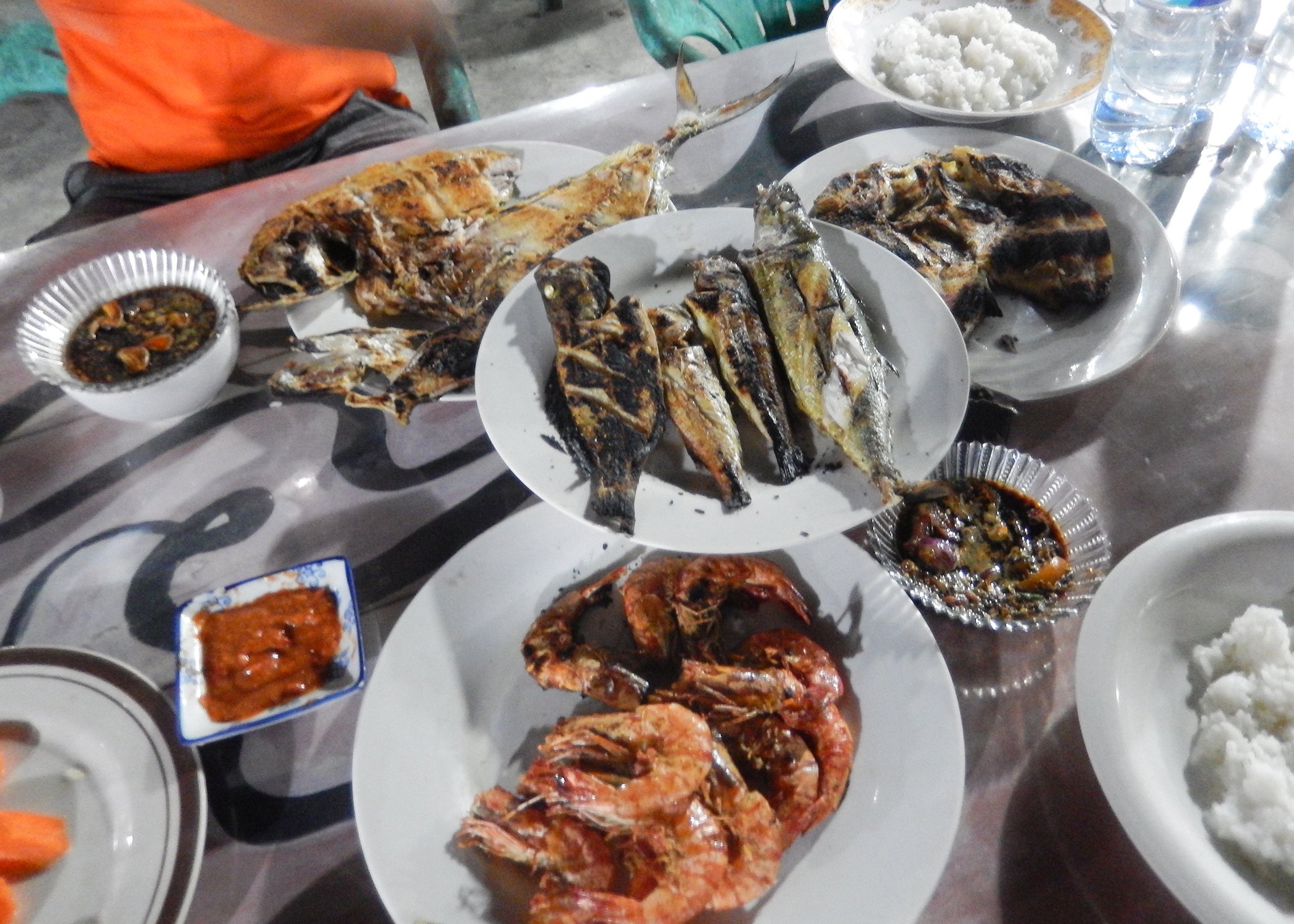
Image of barbecue fish and prawns on plates
Fish that we caught that day ended up in our tummies // Image taken by Jas

As we spent days working in coffee shops, I was slightly surprised to discover that most times, I was the only female in a coffee shop packed full of people. I learned from Di that in Aceh, it is unusual for women to be hanging out in public.

In my fun times with my new and open-minded friends, I had forgotten that this was still a very conservative country. Aceh is the most Islamic state in Indonesia. Here, women rarely leave the house with uncovered heads. As a sign of respect, I had covered my head for the whole time that I was there.

Experiencing the Islamic influence

Within the group, we made friends with a happy-go-lucky woman called Shima, who was a professor at the local Islamic university. She invited the Doc and me to speak to her students about my tsunami research and his volunteering experiences. I found her to be an open-minded and culturally well-educated person who, naturally, wanted her students to be open and accepting of other cultures.

For New Year’s Eve, Shima had invited the group of us to a barbecue at her house, where she lived with her parents, her brother, and his young family. Despite not speaking much English, her family was very kind and welcoming to us. I learned that Shima sometimes opens her home to couch-surfers.

As it was getting late, Shima informed us that we would have to leave her house by 11PM. The local Islamic council had set out a ruling that banned any New Year’s celebrations. I secretly thought myself foolish for expecting fireworks that night.

Doc and I said our thank yous and goodbyes and went back to the hotel, which was close to the city center and very accessible to the places that I wanted to visit.

After dropping us off, Di joined us for a late meal of satay near the hotel. At midnight, Doc, Di, and I quietly wished each other a Happy New Year, and Di left shortly after. Following Doc’s idea, we proceeded up to the rooftop of the hotel to watch the city below us.

A few minutes later, we witnessed a group of men in religious attire riding along on their motorbikes and carrying loudspeakers. Some of them carried banners citing religious quotations banning the celebrations, urging the people sitting in the food stalls to return home.

I left Banda Aceh a few days after, and Doc traveled south to Medan.

Post-trip Crisis

About a week after I had arrived back in Scotland, I received disturbing news from the Doc.

Shima, the professor from the local Islamic university, had gotten into hot soup with the local religious authorities for organizing a study trip for her students to visit a local church. She had wanted her students to ask questions and be open to other religions.

This visit caused her to receive serious lash backs from the university. She was suspended from duty. I was saddened to hear that she and her family had also received death threats and had to go into hiding.

I had offered to help in any way that I could, and so did the Doc. But, days after the incident, I was relieved to hear that Shima was being supported by several prominent women organizations and was currently doing well.

I have yet to follow up with her.

Reflections

I spent years in university studying and listening to stories about Aceh and about how the tsunami wiped out a majority of the city, changing the lives of hundreds of thousands of people in an instant. I spent those years looking in from the outside, meticulously examining what could go wrong in the disaster recovery and reconstruction process.

When I went to Aceh, I arrived there as an overconfident architectural post-graduate who had done a year of research on the subject and was finally able to travel to the site. Aceh, to me, was nothing more than a Syariah-ruled, heavily religious state that once witnessed the worst natural destruction known to us – 250,000 people dead or missing.

This trip allowed me to hear firsthand these stories and the personal struggles of the people who became my friends. It brought me a different meaning to Aceh. Nowadays, when someone mentions Aceh, I no longer think tsunami. Instead, I think of good coffee, good times, good fun, good people, and good friends.

I would return in a heartbeat. You would find us in a karaoke club, singing our hearts out.

For the safety and privacy of my friends, names have been changed, but everything else is accurate. We did sing like no %$^# was given.

Comments closed