How architecture led me through maps, data, operations, and back toward designing systems that serve people.
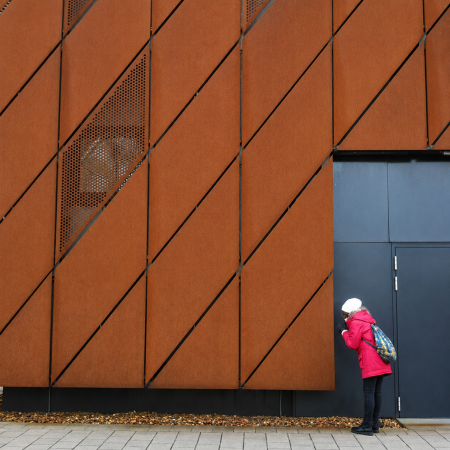
I did not always want to be an architect.
Every year in primary school, we started the year by answering a questionnaire. My answers to “What do you want to be when you grow up?” were always “lawyer,” “singer,” or “flight attendant.” I do not know why. Maybe it was because I cared about justice and wanted to travel the world. Or maybe it was because all these careers started with the letter “P” in Malay, and I had not bothered to think of anything else.
But as far as I can remember, I have always liked shaping my room, my space, my home. Since I was nine, I had been doing small home improvement projects to make my space more comfortable. It was not until I was 15 that I learnt I could become an interior designer and make a living from something I loved. For my final two years at school, I chose Technical Drawing and Art as additional subjects and I enrolled in a Bachelor of Science in Architecture at a public university.

The Promise of Design
University was hard for me. In the beginning, I enjoyed studying the behavioural aspects of architecture, that is, how space influences human behaviour. But I always felt a disconnect between the projects we created, the ideas we told ourselves within the architecture community, and their real impact on end users. The more I learnt, however, the more I appreciated that architecture wasn’t just about prestige, buildings, or aesthetics, but the belief that design could respond to real human needs.
It was around this time that I became aware of Architecture for Humanity. AFH was a US-based charitable organisation that brought professional design services to humanitarian crises. It sparked a new sense of motivation in me and introduced me to a version of design connected to disaster response, community, shelter, dignity, and public good.
Leaving Commercial Architecture
When I graduated, I started working in a small Malaysian-based architecture firm, then moved on to a large Singaporean-owned multinational firm. There, I was grateful to be mentored by architects and to work alongside people who were generous with their knowledge. I also had supportive bosses. But while I valued the training, I found myself more energised by questions of shelter, dignity, and public good than by the commercial projects in front of me.
I left to complete a Master of Architecture in Scotland.
I chose that university because I had an ex-colleague who studied that same programme the previous year and he had the opportunity to do an exchange programme to build shelters in Malawi. The programme was discontinued in my year so I never got the same opportunity.
Aceh and the Pull Toward Social Impact
For my final year project, I chose a topic that was close to my heart. I was in the second year of my bachelor’s degree when two of my lecturers were involved in the reconstruction efforts in Aceh post-tsunami. They came back to university to present their project and I remember being affected less by the technical details of the project than by how deeply the experience seemed to have changed them. That feeling stayed with me and became part of what continues to challenge and drive me toward social impact.
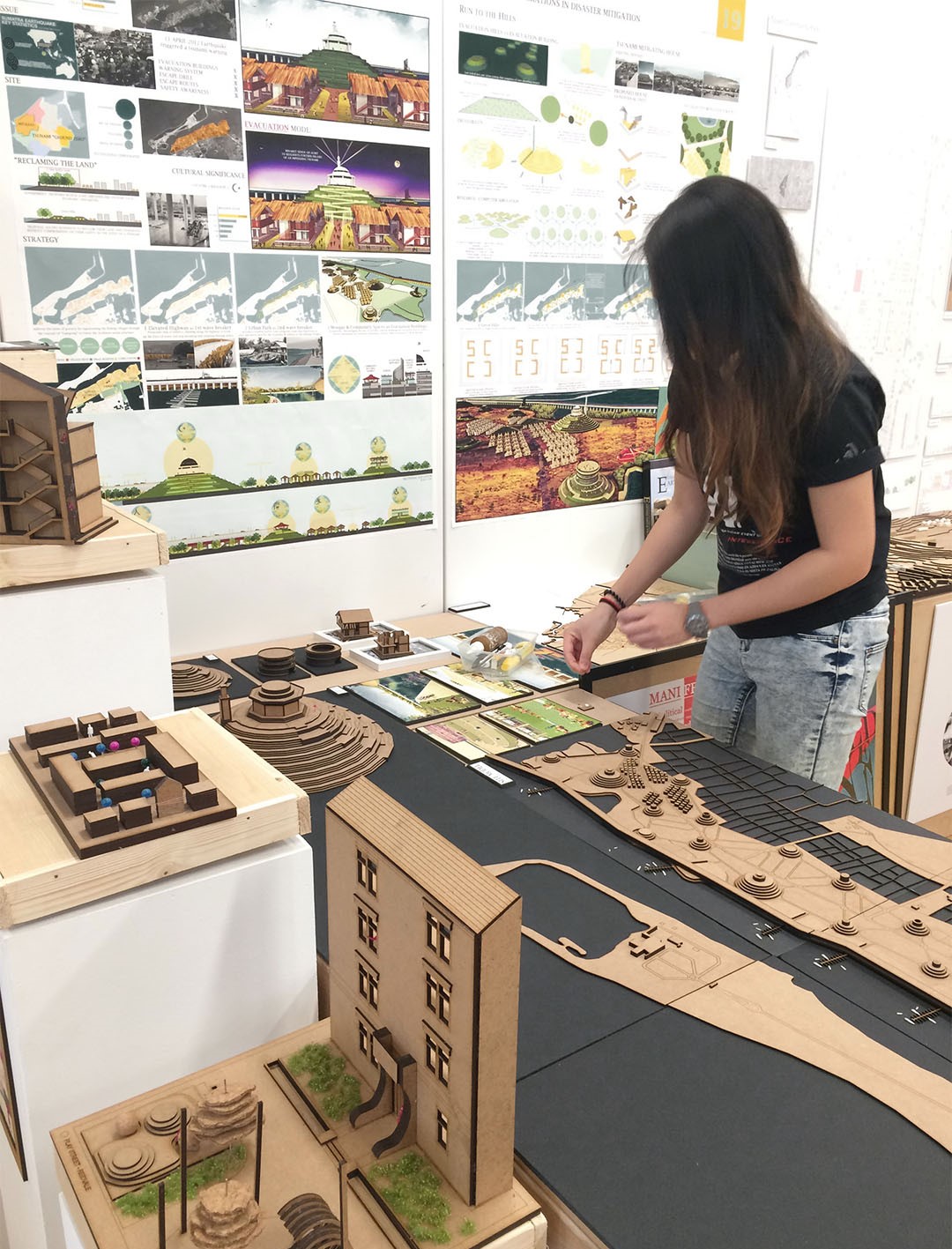
I travelled to Banda Aceh, the site that was the most affected during the earthquake and subsequent tsunami. This trip coincided with the 10th anniversary of the tsunami. I was fortunate to meet and work with first responders from the disaster, which had killed approximately 200,000 people across 14 countries.
Following that year-end research and design proposal, I complemented my master’s degree with a written thesis on reconstruction coordination for long-term redevelopment. It was a direct response to what I had observed in post-tsunami Aceh, 10 years after the disaster. This thesis was featured in the university’s faculty magazine that year.
In 2016, I returned to Malaysia after graduation and took up work in the same architecture firm. Returning to the same firm made me realise how much I had changed. I still loved design, and I still believed in what architecture could do, but I no longer saw myself growing within a practice focused mainly on commercial architecture.
I left shortly after.
Learning Outside the Profession
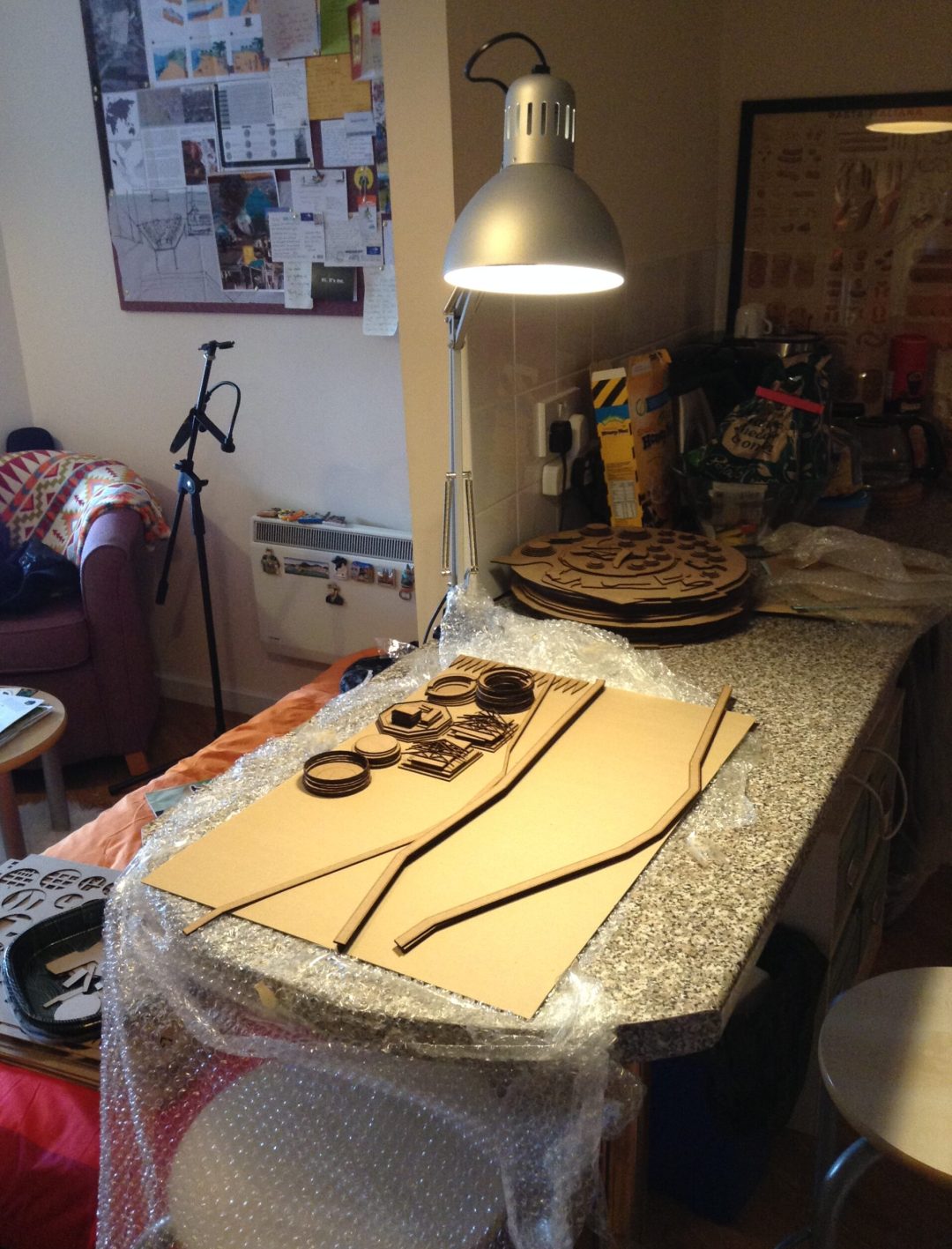
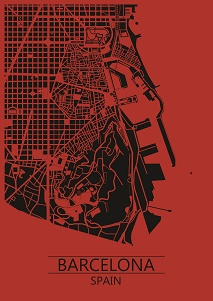
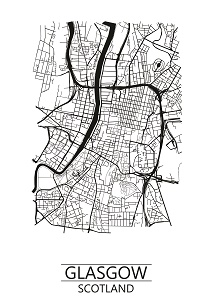
During this period, I freelanced as a multidisciplinary designer while moving between Malaysia and Germany. It was a period of experimentation: maps, artworks, small businesses, digital tools, branding, marketing, social media ads, and basic analytics. That period gave me the space to build skills I had not been able to develop inside traditional practice. I learnt German, enrolled in part-time courses, and immersed myself in marketing, branding, and analytics. I was exposed to a world that seemed outside architecture, yet was still heavily influenced by it. I began to understand that design did not end with the object. It continued into audience, market, tools, distribution, and feedback.
Data as Another Design Language
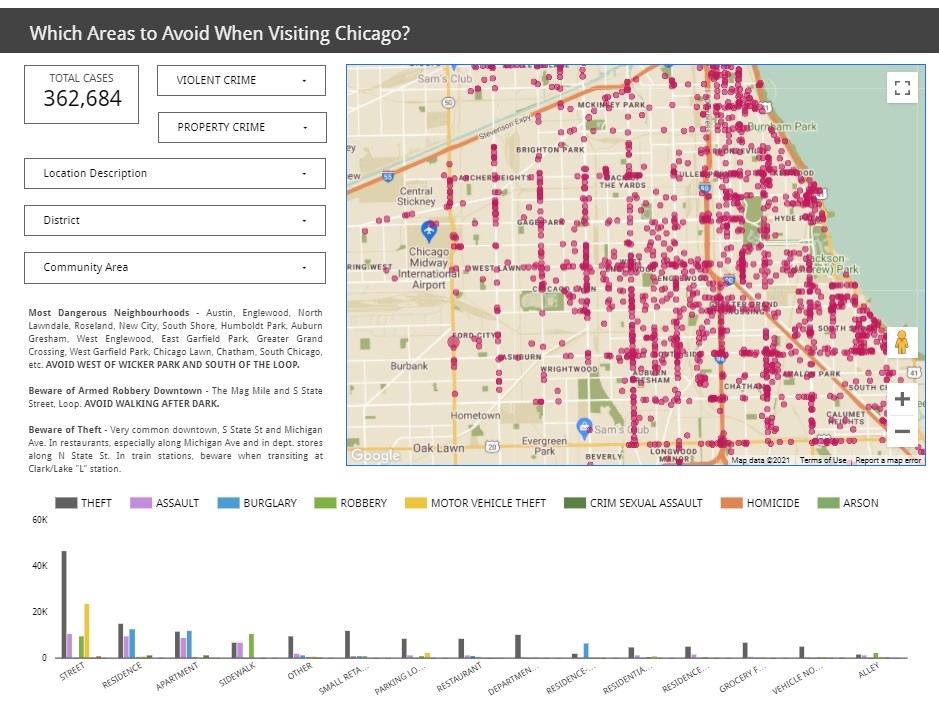
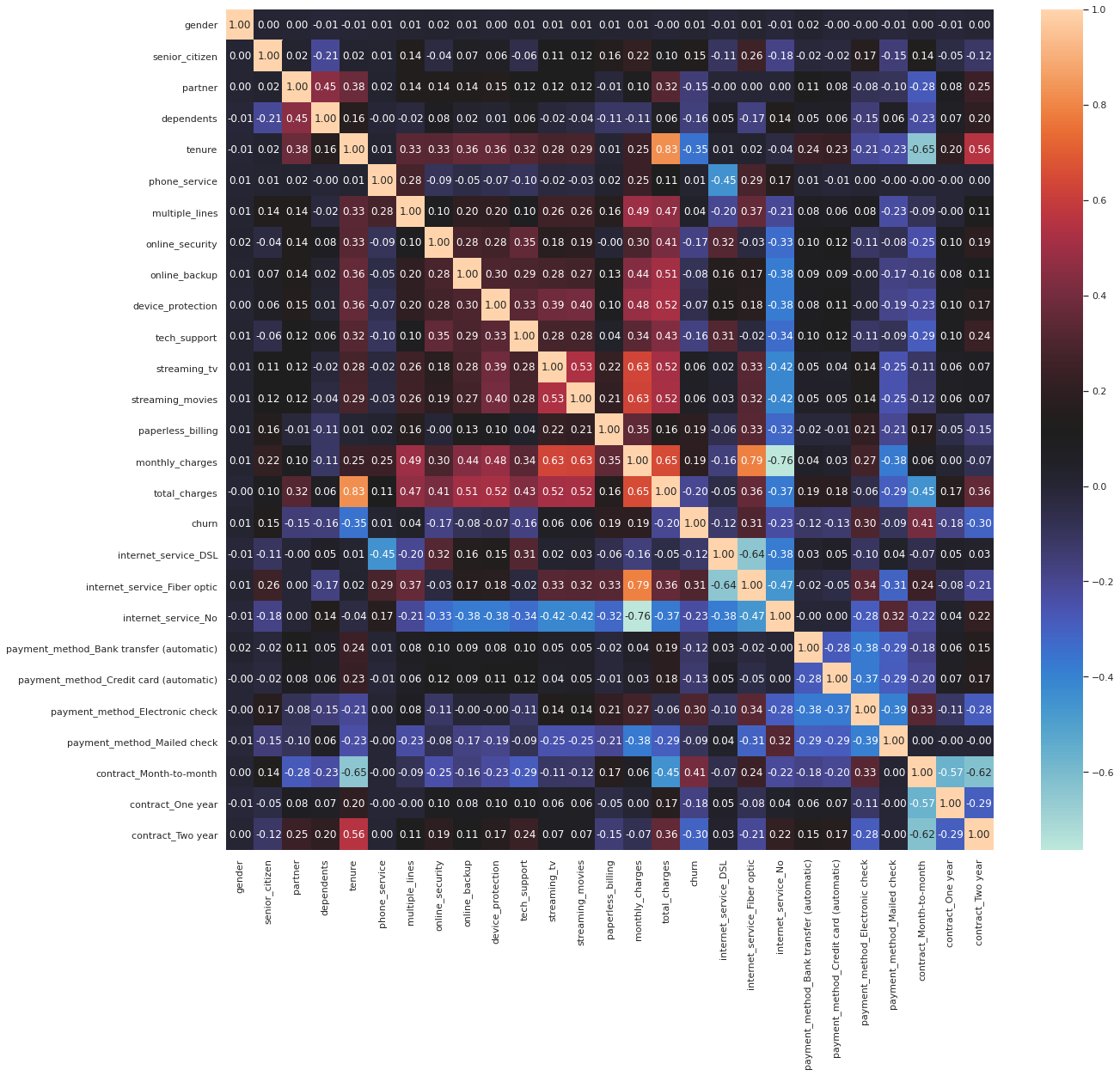
While exploring analytics, I stumbled on a data science course that combined online learning, in-person training, and presentations. I learnt SQL and Python, and was introduced to dashboards. It was only then that I realised how much of an overlap there was between my architecture background and data analytics and visualisations.
Architects are trained to read complex systems before proposing solutions. In architecture, a site is not just a physical location, but a set of relationships between people, movement, climate, culture, infrastructure, constraints, and use. This translated naturally into data and visualisation because data, like space, has patterns, gaps, flows, and hidden relationships. The work is not only to collect information, but to understand what the information is really showing.
Architecture also teaches the discipline of making complexity legible. Plans, sections, diagrams, maps, and presentation boards are all forms of visual communication. They require hierarchy, clarity, scale, proportion, and restraint. In that sense, dashboards did not feel completely foreign to me. They felt like another way to make hidden systems visible, so that people can understand what is happening and decide what should change.
To me, data became another design language.
After the data science course ended, I was invited to coach the next cohort of students. I accepted and went on to coach the next three cohorts. My favourite data science topic was Natural Language Processing (NLP) and part of my coaching job was also to prepare and present a class on NLP. NLP can uncover sentiment within unstructured data, much like how an architect needs to read human behaviour before producing a design proposal that solves a real problem.
From Prototype to Matamata
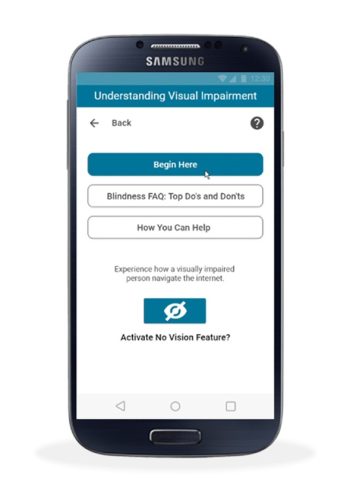
At around the same time, I was invited by a fellow data science student to join a group of three others to participate in the Microsoft APAC Accessibility hackathon. We organised an online meeting with a representative of the blind and visually impaired (BVI) community to gather insights to help us with our proposal.
Our final submission was an image reader app prototype using Azure (Azure was a prerequisite). Due to my background in architecture and design, I led much of the design and presentation using Figma and Photoshop, and together we presented this at the finals.
Following the hackathon, a team member and I decided to follow through with the app. After speaking directly with the BVI community, it no longer felt right to treat the idea as only a hackathon prototype.
That decision led to the founding of Matamata.
As we continued working with the community, we realised that the idea had to evolve from an app into a platform that helped blind and visually impaired people access remote work. I had found a way to translate design into a system that could improve access, preserve dignity, and create opportunity.
Eventually, we had to pause Matamata because of work commitments and limited resources. The project stayed with me, not as an unfinished failure, but as proof that design could become social infrastructure.
Operations as a Behavioural System
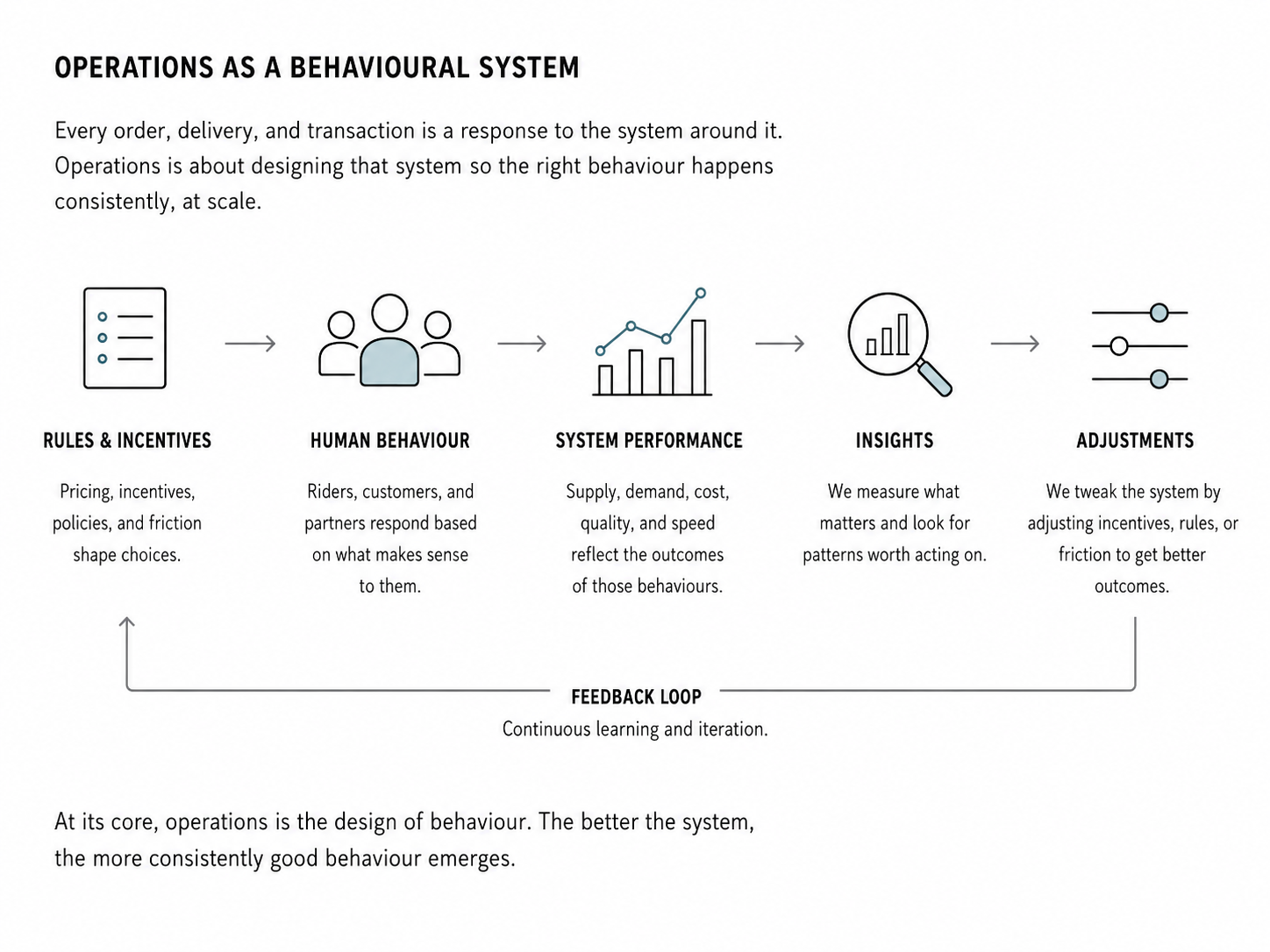
In that same year, I joined the operations department as a performance analyst at a food delivery platform. My KPI came down to one number: how much we spent for every completed delivery. This was unit economics. At first, it felt completely different from what I had studied. But the longer I worked with it, the more familiar it became.
Behind unit economics, there is human behaviour. Every order, delivery, transaction, or task asks something from the people inside the system. When reward systems feel fair and transparent, and when the effort feels reasonable, people are more likely to participate. People respond to incentives, but they also respond to effort, risk, trust, clarity, and whether the trade-off feels worthwhile.
Architecture also begins with human behaviour. Every corridor, doorway, staircase, or public space asks something from the people who use it. When a space makes those actions clear, safe, and reasonable, people are more likely to use and engage with it as intended. People respond to the conditions around them. They gather where they feel comfortable, avoid what feels unsafe, and create workarounds or shortcuts when a system does not match real behaviour.
As I found myself navigating a new career designing incentives, Jan Gehl’s phrase, “First life, then spaces, then buildings,” came to mind. It captures something architecture had already taught me: design begins with behaviour.
This is where architecture and operations began to feel connected to me. They are both systems that shape behaviour, whether through space, rules, incentives, or friction.
What Scale Taught Me
Operations taught me how to scale.
In the last four years of working in operations, including regional work, my analytical and systems skills grew. I learnt how to build and support systems that helped day-to-day operations run more smoothly, and I believe I brought real value to the platform I worked for. That experience strengthened my respect for operations and analytics. It also clarified the kind of problems I am most drawn to: systems where scale, behaviour, and social value meet.
The Long Way Back
Today, I find myself with a broader set of tools than when I first started: architecture, maps, data, analytics, operations, dashboards, storytelling, and social impact. But the underlying question that brought me here remains the same: how can design make systems more humane, useful, and legible?
To me, meaningful design no longer means only buildings or spaces. It means designing systems that serve people, whether through places, platforms, operations, data, or decisions.